
- Release Year: 2012
- Platforms: Android, Linux, Macintosh, Windows
- Publisher: Bootsnake Games
- Developer: Bootsnake Games
- Genre: Puzzle
- Perspective: Top-down
- Game Mode: Single-player
- Gameplay: Tile matching puzzle
- Setting: Horror
- Average Score: 85/100
Description
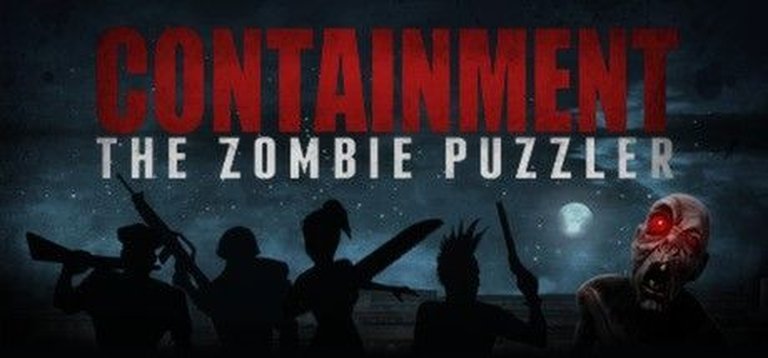
In ‘Containment: The Zombie Puzzler’, players face a thrilling blend of horror and strategic puzzle gameplay set during a zombie apocalypse in the city of Franklin. Using a top-down perspective, they must solve tile-matching puzzles to strategically eliminate hordes of zombies while scavenging weapons and manipulating the environment. Developed by Bootsnake Games, this indie title merges action-packed survival mechanics with brain-teasing challenges, offering a unique twist on both puzzle and horror genres.
Gameplay Videos
Where to Buy Containment: The Zombie Puzzler
PC
Containment: The Zombie Puzzler Guides & Walkthroughs
Containment: The Zombie Puzzler Reviews & Reception
raijin.gg (78/100): Containment: The Zombie Puzzler holds a 78.28% positive rating on Steam, based on 290 player reviews. This places the game in the mostly positive category, indicating generally favorable reception.
store.steampowered.com (89/100): Use your wits, weapons, and the city itself to save Franklin from the zombie apocalypse in this exciting indie action puzzler.
gamecritics.com (90/100): Unbelievably, there was some tasty meat left on those broken, decayed bones, after all.
Containment: The Zombie Puzzler – A Tactical Undead Odyssey Lost Between Genres
Introduction: A Cult Classic Trapped in the Shadow of Its Ambition
Containment: The Zombie Puzzler (2012) is a curious artifact of the early 2010s indie boom—a hybrid puzzle-strategy game that dared to merge B-movie zombie theatrics with cerebral grid-based tactics. Though overlooked in its time and now relegated to cult status, this PAX 10-selected title from Bootsnake Games offers a compelling case study in genre experimentation. This review argues that Containment succeeds as a mechanical innovator but falters as a cohesive experience, its ambitions cramped by budgetary constraints and an identity crisis.
Development History & Context: An Indie Underdog in the Age of Zombie Saturation
The Bootsnake Gambit
Developed by the Austin-based studio Bootsnake Games—a four-person team of industry veterans with ties to Supreme Commander and Microsoft’s Xbox Live Arcade—Containment emerged during indie gaming’s “zombie glut” era. Released on March 2, 2012, for Windows (later ported to Linux, Mac, and Android), it arrived alongside zombie-saturated titles like The Walking Dead: Season 1 and DayZ. Bootsnake sought to disrupt tropes by blending real-time zombie survival with puzzle mechanics—a stark contrast to AAA contemporaries favoring gunplay over brains (both literal and metaphorical).
Technological Constraints and Ambitions
Built on a custom engine for cross-platform flexibility, Containment faced limitations: hardware requirements were modest (128MB VRAM, 1GB RAM), yet its top-down environments and animated character tiles strained the era’s mobile devices. The design prioritized accessibility over spectacle, but this frugality ironically cemented its experimental charm.
Narrative & Thematic Deep Dive: Silent Stories in a Screaming Apocalypse
Minimalist Storytelling, Maximalist Absurdity
Containment’s narrative unfolds through environmental text snippets and diegetic UI alerts, eschewing cutscenes. Players guide survivors through Franklin County’s ruins, encountering zombie dinosaurs, wizard necromancers, and sentient military drones—a B-movie pastiche channeling Shaun of the Dead’s irreverence. Thematically, it critiques societal collapse: anarchists burn hierarchies, scientists cling to logic, and police wield authoritarian force.
Characters as Mechanical Ciphers
Survivors lack defined personalities but serve as puzzle pieces: Scientists heal, Anarchists ignite Molotovs, Military units snipe. Their utility defines them—a clever subversion of zombie fiction’s tendency toward hollow heroism. However, the storytelling’s brevity undermines emotional stakes, reducing the apocalypse to a campy backdrop.
Gameplay Mechanics & Systems: Chess Meets Chaos
Core Loop: Tactical Containment
The goal is simple: surround zombies with four matching survivors (Scientists, Police, etc.) to eliminate them. Each successful “contain” triggers a chain reaction, spawning new survivors. But zombies fight back, infecting adjacent units—a real-time pressure cooker demanding split-second decisions.
Key innovations:
– Free-form movement: Unlike static match-3 games, survivors slide freely across grids.
– Environmental weapons: Tip cranes, detonate gas stations, or roll cars to crush hordes.
– Power-up economy: Combos reward items like sniper strikes (Police) or firebombs (Anarchists).
– Boss encounters: Screen-filling necromancers and mutant tanks disrupt the formula.
Flawed Execution
While ambitious, mechanics fray under pressure:
– Control stickiness: Units occasionally jam during frantic clicks (critics cited this as immersion-breaking).
– RNG dependency: Item drops sometimes sabotage strategy with poor synergies.
– Repetitive survival modes: Endless hordes lack the campaign’s inventive scenarios.
UI/UX: Functional but Strained
The top-down view and minimalist HUD prioritize clarity, but tiny text and indistinct unit icons (especially on mobile ports) caused accessibility issues.
World-Building, Art & Sound: A Grunge-Punk Zombie Diorama
Aesthetic Design
Franklin County channels post-apocalyptic Americana: derelict diners, overgrown suburbs, and industrial zones rendered in muted browns and greens. Character sprites—though small—ooze personality: scientists clutch clipboards, anarchists brandish bats, and zombies shamper with grotesque glee.
Alive Yet Limited
Artist Matt Dudley’s pixel work shines in idle animations (survivors tremble, zombies twitch), but environments lack interactivity beyond scripted events. The art’s lo-fi charm clashes with repetitive backdrops—a budgetary constraint masquerading as style.
Sound Design: Synthwave Horror
Howard Mostrom’s soundtrack blends John Carpenter-esque synths with discordant ambient noise, amplifying tension. Voice acting—deliberately cheesy (“They’re eating Jenkins!”)—echoes Dead Rising’s dark humor but grates over time.
Reception & Legacy: A Cult Reanimated
Critical Divide
Containment polarized critics:
– Praise: TouchArcade (90/100) lauded its “freshness” in a match-3 saturated market; GameCritics (8.5/10) hailed its hybrid vigor.
– Critique: Nivelul2 (5.5/10) dismissed it as a “brainwasher” with shallow depth; others bemoaned uneven difficulty.
– Player Reception: Steam reviews remain “Very Positive” (89% of 124 reviews), citing addictive loops and absurdist charm.
Commercial Performance and Influence
A modest seller (23.75K units per Raijin), Containment found legs in bundles like Indie Royale’s May Hurray Bundle. Its legacy lies in inspiring indie hybrids—Into the Breach’s tactical distancing and Plants vs. Zombies’ genre-blending owe it quiet debts.
Conclusion: A Beautiful Misfire with Historical Value
Containment: The Zombie Puzzler is a flawed experiment that deserves recognition. Its fusion of real-time panic and tactical puzzling remains unique—a precursor to modern indie darlings—but uneven execution and repetitive design dilute its brilliance. For historians, it exemplifies indie gaming’s 2010s daring; for players, it’s a $5 curio best enjoyed in bursts. Bootsnake’s swan song (the studio dissolved post-release) stands as a testament to innovation over polish, a zombie whose heart beats louder than its bite.
Final Verdict:
★ ★ ★ ☆ ☆ (3/5) – A mechanically inventive but uneven cult classic. Essential for puzzle/zombie completists; intriguing for genre historians.