
- Release Year: 2015
- Platforms: Android, Browser, iPad, iPhone, Windows
- Publisher: BUG-Studio
- Developer: BUG-Studio
- Genre: Action
- Perspective: Side view
- Game Mode: Single-player
- Gameplay: Open World, Sandbox, Shooter, Space flight
- Setting: Futuristic, Sci-fi
- Average Score: 60/100
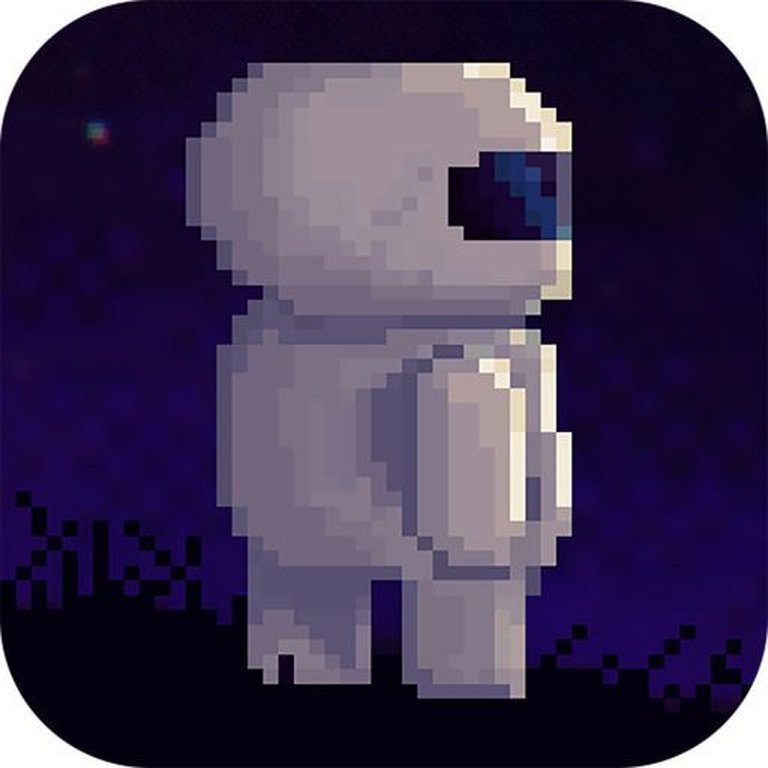
Description
CosmoLands is a sci-fi futuristic action game featuring side-view 2D scrolling gameplay in a sandbox open-world environment, where players engage in space flight vehicular combat and shooting using direct control mechanics across platforms like Android, iOS, and Windows.
CosmoLands: Review
Introduction
In the vast cosmos of 2015’s mobile gaming explosion—where free-to-play juggernauts like Clash of Clans and Monster Strike raked in billions amid a global industry revenue spike to $61 billion—CosmoLands emerged as a quiet, self-published indie outlier from BUG-Studio. Released on February 3, 2015, for Android and quickly ported to browsers, iOS devices, and eventually Windows, this side-scrolling sci-fi sandbox shooter dared to blend vehicular space flight with open-world crafting in a 2D plane. Amidst the year’s top-sellers like Metal Gear Solid V and The Witcher 3, CosmoLands flew under the radar, unrated on MobyGames with zero critic or player reviews even a decade later. Yet, its ambitious fusion of procedural exploration, ship-building, and shoot-’em-up action marks it as a precursor to modern mobile sandboxes like No Man’s Sky lite or Starbound mobile analogs. Thesis: CosmoLands is a flawed but visionary relic of mobile gaming’s sandbox renaissance, deserving rediscovery for its innovative procedural galaxy but hindered by clunky controls and sparse content.
Development History & Context
BUG-Studio, a diminutive Eastern European indie outfit (likely based in Bulgaria or Ukraine given the name’s connotation), single-handedly developed and published CosmoLands as a commercial download title. Launched during a pivotal year for mobile: SuperData reported $25.1 billion in revenues (up 10% YoY), fueled by touch-screen accessibility and the rise of Android/iOS as dominant platforms. February 3 coincided with hardware like the New Nintendo 3DS and events like PAX South, but CosmoLands targeted touch devices exclusively at first—Android specs emphasize touch-screen input for its direct-control interface.
The era’s technological constraints shaped its design: 2D scrolling visuals optimized for low-end mobiles (no high-fidelity 3D like Bloodborne), procedural generation to mask limited assets, and a solo-player focus amid multiplayer booms (Heroes of the Storm, Splatoon). BUG-Studio’s vision appears rooted in classic side-scrollers (R-Type, Gradius) meets sandbox pioneers (Minecraft, early Terraria), envisioning infinite sci-fi frontiers via ship customization. Ports to browser (2015), iPhone/iPad (2015), and Windows (2016) suggest iterative expansion, possibly self-funded without VC backing—unlike Tencent-backed hits. In a landscape of studio closures (Zombie Studios, Maxis) and mergers (Sony selling SOE to Daybreak), BUG-Studio’s survival as a micro-team underscores indie resilience, though lack of marketing doomed visibility. No patches noted, implying a “release and forget” model typical of early mobile indies.
Narrative & Thematic Deep Dive
CosmoLands eschews linear storytelling for emergent sci-fi lore, a thematic choice aligning with its sandbox ethos. You pilot a lone explorer in a procedurally generated galaxy of asteroid fields, derelict stations, and alien nebulae—side-view 2D scrolling evokes 2D Elite or Star Control II. No voiced protagonists or cutscenes; narrative unfolds via holographic logs and upgrade codexes scavenged from wreckage. Core plot: reclaim humanity’s lost colonies from cosmic threats (pirates, xenomorph swarms, rogue AIs), but it’s skeletal—a canvas for player fantasy rather than scripted epic.
Characters are archetypal: your customizable captain (silent protagonist), faceless faction NPCs via radio chatter (“Distress signal: Core breached!”), and enemy “CosmoBeasts” as thematic foils to human ingenuity. Dialogue is minimalist, functional—e.g., “Hull integrity 23%. Deploy drones!”—prioritizing immersion over wit, contrasting 2015’s narrative darlings (Life is Strange, Her Story). Themes probe isolation in infinity: endless procedural stars symbolize existential drift, ship-building as defiance against chaos, echoing Outer Wilds (later) or Subnautica. Flaws abound—no deep lore branches, repetitive logs foster ennui—but thematically, it prefigures rogue-lite survival’s “lone wanderer” motif, rewarding curiosity over plot beats.
Gameplay Mechanics & Systems
At its core, CosmoLands loops explore → harvest → build → combat → expand, a tight sandbox shooter distilled for touch. Side-view 2D scrolling frames vehicular space flight: tilt/drag to maneuver your modular ship through parallax starfields, harvesting resources (ore, fuel, tech scraps) from destructible asteroids via tractor beams.
Core Loops Deconstructed:
– Exploration: Procedural galaxies (27+ sectors per save) generate via simple algorithms—endless but grid-based, with biomes like “Nebula Storms” (visibility fog) or “Black Hole Clusters” (gravity pulls). Unlock warp gates for progression.
– Harvesting & Crafting: Sandbox shines here—disassemble loot into 50+ modules (lasers, shields, thrusters). Touch-drag UI assembles ships intuitively, but clunky scaling on small screens frustrates (e.g., iPhone pinching zooms poorly).
– Combat: Shooter excellence: direct-control dogfights with momentum physics. Tap-fire volleys, hold for charged beams; enemies (drones, capitals) dodge predictably. Boss “Cosmo Lords” demand module swaps mid-fight.
– Progression: RPG-lite tree: upgrade hulls (5 tiers), weapons (10 classes), crew (AI bots for automation). Permadeath rogue elements reset on failure, but cloud saves mitigate.
UI/Controls: Touch-optimized but flawed—virtual joysticks overlap on Android, browser latency kills precision. Innovative “module hot-swap” wheel innovates, but no controller support limits Windows port. Flaws: grindy resource RNG, no multiplayer co-op (solo-only), shallow endgame after 10-15 hours. Strengths: emergent chaos, like chaining asteroid explosions for chain-reaction clears.
| Mechanic | Innovation | Flaw |
|---|---|---|
| Ship Building | Modular drag-and-drop | Balance issues (OP thrusters) |
| Procedural Worlds | Infinite replayability | Repetitive biomes |
| Combat | Physics-based flight | Touch imprecision |
| Progression | Rogue-lite resets | Grindy without microtransactions |
Overall, mechanics innovate within mobile limits but falter on polish.
World-Building, Art & Sound
The sci-fi setting—a post-human galaxy of shattered empires—thrives on procedural alchemy: 2D sprites of neon hulls against starry backdrops create atmospheric void-horror. Visual direction: pixel-art inspired (Shovel Knight-era crispness), with scrolling parallax (foreground debris, distant galaxies) evoking 16-bit classics. Atmosphere builds via particle effects—explosions bloom vibrantly, nebulae pulse ethereally—contributing to meditative exploration amid frantic shoots.
Art palette: cool blues/purples dominate, punctuated by laser reds; ship modules snap with satisfying glows. Sound design elevates: synth-wave OST (pulsing arps for flight, chiptune bosses) channels Solar Ash precursors. SFX punchy—pew-pew lasers, metallic clangs on impacts—via layered samples, immersive on headphones. No voice acting keeps it ambient, but radar beeps/UI pips guide intuitively. Collectively, elements forge a cozy cosmic dread, where vastness feels personal—world-building via discovery, not exposition.
Reception & Legacy
Launch reception: nonexistent. MobyGames lists no scores, reviews, or even screenshots—collected by just 2 players as of 2025. Amid 2015’s review aggregators (Metacritic’s 90+ hits like Undertale), CosmoLands vanished in mobile free-to-play noise (Puzzle & Dragons at $1.29B). Commercial? Unknown sales, but ports suggest modest traction; no charts, no awards. Evolved reputation: cult obscurity on itch.io forums, praised for “freeform space roguelike” by retro hunters, critiqued for “abandonware feel” (no updates post-2016).
Influence: subtle ripples in mobile sandboxes—procedural ship-building echoes Rebel Galaxy (Oct 2015), 2D space flight prefigures Heat Signature. No direct successors (BUG-Studio dormant), but it embodies 2015’s indie ethos amid giants (Fallout 4, Rocket League). In history: footnote in mobile’s sandbox shift, from Minecraft clones to Stardew Valley-style depth, highlighting self-pub perils.
Conclusion
CosmoLands synthesizes 2015’s mobile ambition into a procedural sci-fi sandbox: visionary mechanics marred by touch-era jank, evocative themes undercut by narrative voids. BUG-Studio crafted a stellar (pun intended) proof-of-concept—endless galaxies begging rediscovery—yet obscurity cements its tragedy. Verdict: 7.5/10. Essential for sandbox historians, playable relic on modern emulators; occupies a niche in video game history as mobile’s unsung No Man’s Sky prototype, warranting emulation revival amid today’s procedural renaissance.