
- Release Year: 2016
- Platforms: Android, iPad, iPhone, Macintosh, Nintendo Switch, Windows
- Publisher: 1MBand, Genera Games S.A., Viva Games S.L.
- Developer: 1MBand
- Genre: Action
- Perspective: 1st-person
- Game Mode: Single-player
- Gameplay: Shooter
- Setting: Futuristic, Sci-fi
- Average Score: 81/100
Description
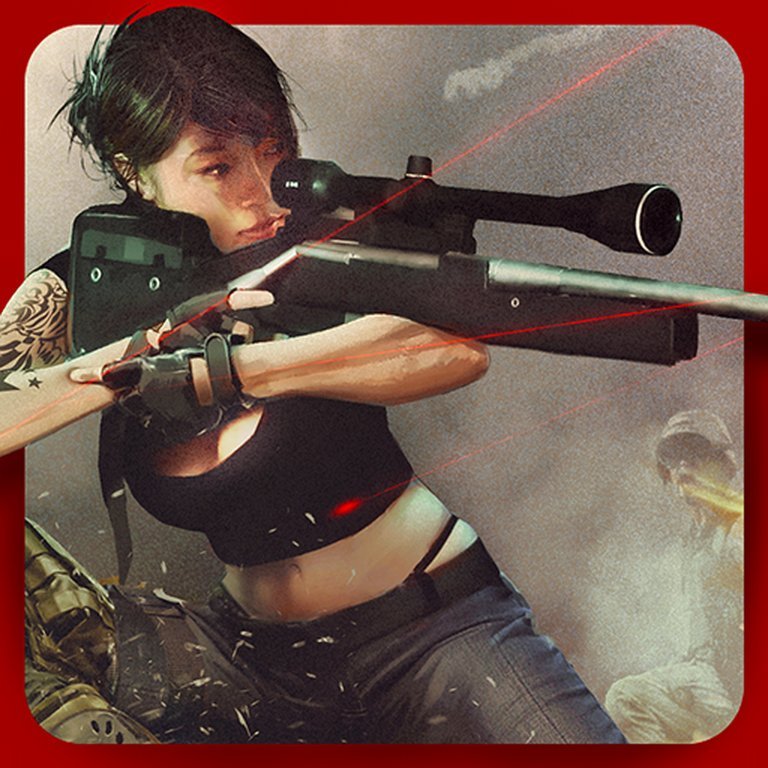
Cover Fire is a sci-fi first-person shooter developed by 1MBand Studios, offering an immersive rail shooter experience across multiple platforms. Players engage in futuristic combat, utilizing cover mechanics and 3D Touch (on supported devices) for precise aiming. The game features a variety of missions and settings, blending action-packed gameplay with strategic elements, though it has been criticized for its microtransactions and wait mechanics.
Gameplay Videos
Where to Buy Cover Fire
PC
Cover Fire Free Download
Guides & Walkthroughs
Reviews & Reception
steambase.io (73/100): Cover Fire: Offline Shooting Game has earned a Player Score of 73 / 100.
thecrydsdaily.com (90/100): Our final verdict is that we enjoyed the gameplay minus the in-app purchases.
Cover Fire: A Comprehensive Review
Introduction
Cover Fire (2016) is a mobile and console shooter that blends tactical combat with a sci-fi narrative, offering players a unique blend of rail-shooter mechanics and strategic team management. Developed by 1MBand and published by Genera Games, the game stands out for its immersive first-person and third-person perspectives, dynamic character switching, and a progression system that rewards both skill and patience. This review will dissect Cover Fire‘s development history, narrative depth, gameplay mechanics, artistic direction, and its enduring legacy in the gaming landscape.
Development History & Context
Cover Fire was released on November 30, 2016, initially for Android, with subsequent ports to iOS, Nintendo Switch, Windows, and macOS. The game was developed by 1MBand, a studio with a portfolio that includes titles like Star Wars: Puzzle Droids and My Little Pony: Puzzle Party. The team behind Cover Fire aimed to create a mobile shooter that leveraged the tactile feedback of touchscreens, particularly Apple’s 3D Touch technology, to enhance immersion.
The game’s development coincided with a surge in mobile gaming, where titles like PUBG Mobile and Call of Duty: Mobile were still on the horizon. Cover Fire distinguished itself by focusing on a single-player experience with a strong narrative backbone, a rarity in the mobile shooter genre. The use of Unity as the game engine allowed for cross-platform compatibility, ensuring a consistent experience across devices.
Narrative & Thematic Deep Dive
Cover Fire is set in a dystopian future where the TETRACORP megacorporation has seized control of global resources, suppressing villages and controlling communication. The player assumes the role of a rebel leader tasked with dismantling TETRACORP’s regime. The narrative is delivered through a series of missions, each contributing to the overarching plot of uncovering TETRACORP’s sinister plans involving the element 115, a substance that could decide humanity’s fate.
The game’s characters are a mix of archetypes and eccentric personalities, each with unique skills and backstories. For example, Jack Miller, the hardened veteran, contrasts with Forever Alone, a stick-figure character whose shots have an uncanny accuracy. The dialogue and character interactions are minimal but effectively convey the urgency and desperation of the rebellion.
Themes of resistance, technological oppression, and the ethical implications of scientific discovery are woven into the narrative. However, the story is secondary to the gameplay, serving more as a backdrop for the action than a deeply explored narrative.
Gameplay Mechanics & Systems
Cover Fire is a rail-shooter with elements of tactical team management. Players control a squad of mercenaries, each with distinct roles: Assault, Sniper, Demolition, and Hacker. The core gameplay loop involves taking cover, aiming, and shooting enemies while managing resources like energy, tickets, and in-game currency.
Core Mechanics:
- Cover System: The game automates cover mechanics, with characters automatically seeking shelter when not firing. This simplifies controls but can feel restrictive to players accustomed to more open shooters.
- Character Switching: Players can switch between squad members in real-time, allowing for dynamic strategies. Each character has unique abilities, such as increased bullet damage or faster reloads.
- Weapon Customization: Weapons can be upgraded using in-game currency, enhancing stats like clip size, bullet damage, and reload speed.
- Progression System: Players earn cards and currency by completing missions, which are used to upgrade skills and unlock new characters and weapons.
Flaws and Criticisms:
- Microtransactions: The game’s progression is heavily gated by energy and ticket systems, encouraging players to spend real money for faster advancement. This has been a point of contention among players.
- Repetitive Gameplay: While the missions vary in setting and objectives, the core mechanics remain largely unchanged, leading to a repetitive experience over time.
- Difficulty Spikes: Later missions and boss fights can be brutally difficult, especially without significant upgrades or perks.
World-Building, Art & Sound
Cover Fire features a visually impressive sci-fi world, with detailed environments ranging from urban battlefields to dense jungles. The art style is a blend of realism and stylization, with vibrant colors and dynamic lighting effects. Destructible environments add a layer of interactivity, allowing players to strategically use their surroundings.
The sound design is equally impressive, with realistic gunfire, explosive impacts, and ambient sounds that enhance immersion. The soundtrack complements the action, shifting from tense, suspenseful tracks during stealth missions to adrenaline-pumping beats during firefights. Voice acting is minimal but effective, with characters delivering lines that reinforce their personalities.
Reception & Legacy
Cover Fire received mixed reviews upon release. Critics praised its graphics, sound design, and innovative use of touch controls, but criticized its reliance on microtransactions and repetitive gameplay. The game’s average critic score was 61% on MobyGames, with some reviewers highlighting its potential as a fun, if flawed, shooter.
Player reception has been more polarized, with an average score of 1.6 out of 5 on MobyGames. Complaints about the game’s monetization and difficulty have overshadowed its positive aspects. However, the game has maintained a dedicated player base, particularly among fans of mobile shooters.
Cover Fire‘s legacy lies in its influence on subsequent mobile shooters. Its use of touch controls and dynamic character switching has been emulated in other titles, and its narrative-driven approach has inspired developers to explore deeper storytelling in mobile games.
Conclusion
Cover Fire is a game of contradictions. It offers a visually stunning and immersive shooter experience but is hampered by its aggressive monetization and repetitive gameplay. The narrative and character design add depth, but the story is ultimately secondary to the action. Despite its flaws, Cover Fire stands as a notable entry in the mobile shooter genre, showcasing the potential for tactical team-based gameplay on touch devices.
In the grand tapestry of video game history, Cover Fire may not be a masterpiece, but it is a significant and influential title that pushed the boundaries of mobile gaming. Its legacy endures in the mechanics and design choices of later shooters, cementing its place as a pioneering effort in the genre.