
- Release Year: 2011
- Platforms: Macintosh, Windows
- Publisher: Mindscape SA
- Developer: Punchers Impact
- Genre: Car, Combat, Motorcycle, Strategy, Tactics
- Perspective: Third-person
- Game Mode: Online PVP
- Gameplay: Experience points, Item drop, No respawn, Objective capture, Online Multiplayer, Team-based combat, Vehicular combat
- Setting: Post-apocalyptic
Description
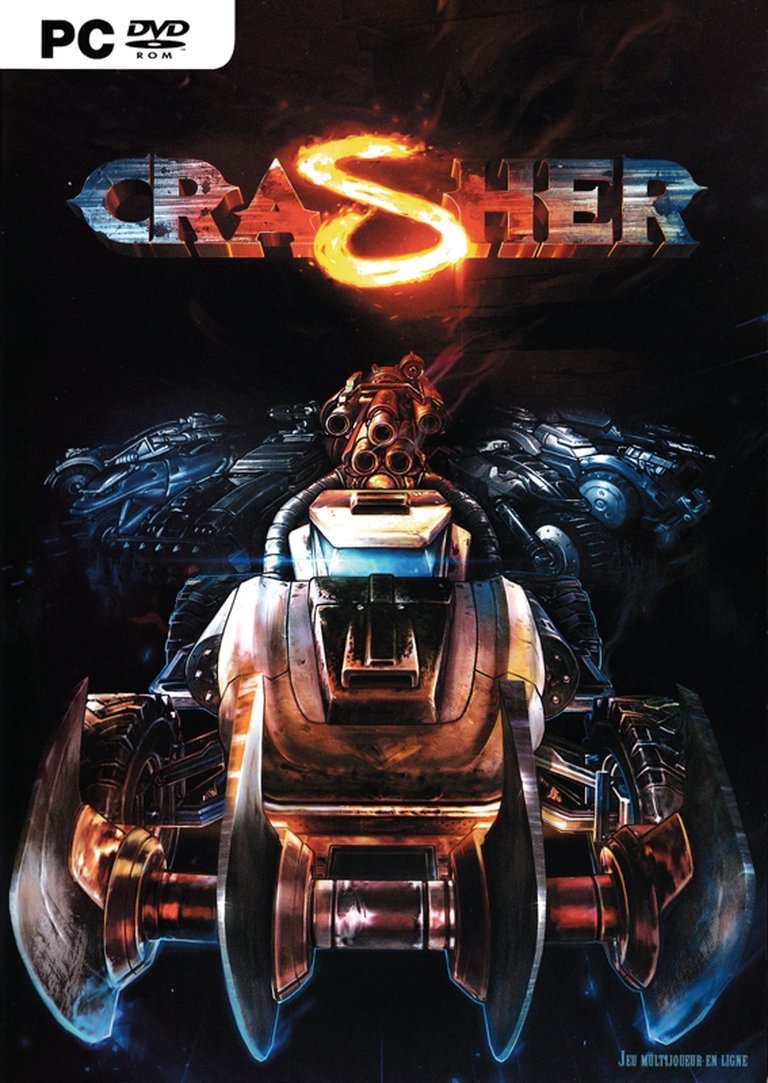
Crasher is a vehicular-based Multiplayer Online Battle Arena (MOBA) game set in a post-apocalyptic world, where players control one of 18 unique vehicles across six classes, each with distinct weapons and abilities. Teams of 3v3 or 5v5 compete in two modes: ‘Territory Control’ for capturing and defending map zones, and ‘Battle Arena’ for elimination-focused combat without respawns. Players earn XP and unlock new items after matches to climb the global leaderboard.
Where to Buy Crasher
PC
Crasher Patches & Updates
Crasher Guides & Walkthroughs
Crasher Reviews & Reception
ign.com : It’s a shame, because at its core the game is a solid competitive arena game where you control a vehicle with a gun.
Crasher: A Flawed Pioneer in Vehicular MOBA History
Introduction
In the crowded arena of multiplayer online battle arenas (MOBAs), Crasher (2011) dared to veer off-road. Developed by French studio Punchers Impact, this vehicular combat MOBA swapped swords and spells for nitro boosts and plasma cannons, promising a fresh spin on a burgeoning genre. Yet, despite its inventive premise, Crasher crashed into obscurity, hamstrung by technical flaws and a barren player base. This review dissects its rise and fall, exploring how a game with Borderlands-inspired swagger and DotA-inspired mechanics became a cautionary tale of unrealized potential.
Development History & Context
The Vision of Punchers Impact
Punchers Impact, a relatively unknown French studio, aimed to fuse the tactical depth of MOBAs with the frenetic chaos of vehicular combat. Led by President Guillaume Descamps and Creative Director Jérôme Amouyal, the team sought to capitalize on the rising popularity of MOBAs like Defense of the Ancients (DotA) while injecting novelty through vehicle-based hero substitutes.
Technological Constraints and Ambitions
Built on Unity Engine, Crasher leveraged cel-shaded visuals to mask technical limitations, adopting a stylized, post-apocalyptic aesthetic reminiscent of Borderlands. However, the engine’s nascent capabilities in 2011 struggled to support robust netcode, leading to sync issues and lag. The game’s focus on 5v5 battles—a standard for MOBAs—was ambitious for a small team, especially without backing from a major publisher beyond Mindscape SA.
The 2011 Gaming Landscape
Crasher arrived amid a MOBA gold rush, competing with League of Legends (2009) and the impending Dota 2 (2013). Its vehicle-centric twist was inventive but risky, alienating purists of both MOBAs and traditional car combat games like Twisted Metal.
Narrative & Thematic Deep Dive
A Barebones Post-Apocalyptic Backdrop
Crasher eschewed narrative depth for pure combat spectacle. Set in a desolate, vaguely defined wasteland, its lore amounted to “teams of armed vehicles fight for dominance.” Characters were replaced by 18 vehicles across six classes—Tanks, Defenders, Melee Destructors, Ranged Destructors, Repairers, and Constructors—each with unique abilities but no personality.
Thematic Underpinnings: Chaos Over Story
The game prioritized mechanical diversity over storytelling. Vehicles like the chainsaw-equipped Razor or the shield-generating Omega embodied archetypes (e.g., the berserker, the support healer) but lacked narrative context. This minimalism mirrored early MOBAs, though it felt particularly stark in a genre increasingly leaning into lore (e.g., League of Legends’ expanding universe).
Gameplay Mechanics & Systems
Core Loop: MOBA Meets Vehicular Mayhem
Crasher’s gameplay blended auto-targeting weapons, skill-based abilities, and team tactics. Players chose a vehicle, then battled in two modes:
– Battle Arena: A no-respawn deathmatch.
– Territory Control: A king-of-the-hill-style objective mode.
Matches were fast-paced, with vehicles boosting across maps littered with power-ups (health, energy, damage buffs).
Vehicle Customization and Progression
Each vehicle had four unique skills—e.g., the Pandemic’s chain lightning or the Tempest’s tornado spin—unlocked via XP earned in matches. Progression also rewarded gear that modified stats, but imbalance plagued the system: high-level players dominated newcomers, exacerbating the dwindling player base.
Innovations and Flaws
- Auto-Fire Combat: Weapons automatically targeted enemies in range, reducing skill expression and making battles feel passive.
- Dynamic Maps: Arenas like Eruption evolved mid-match, with platforms collapsing or lava rising—a highlight praised by critics.
- Bugs and Sync Issues: Game-breaking glitches, like frozen allies or delayed skill effects, were frequent.
World-Building, Art & Sound
A Cel-Shaded Wasteland
Crasher’s art direction leaned into a comic-book aesthetic, with bold outlines and exaggerated vehicle designs. Maps like the icy Abyss or volcanic Eruption were visually distinct but sparse, lacking environmental storytelling. The Borderlands influence was unmistakable, though less polished.
Sound Design: Functional but Forgettable
Weapon effects and engine roars were serviceable but unmemorable. The lack of a dynamic soundtrack left matches feeling sterile, a missed opportunity to amplify the chaotic tone.
Reception & Legacy
Launch Reception: Mixed Reviews, Low Engagement
Crasher earned a lukewarm Metascore of 55/100, with critics praising its novelty but panning its execution:
– Pros: “Inventive vehicle classes,” “addictive progression” (CoreGamer.net).
– Cons: “Repetitive maps,” “barren servers,” “unbalanced matchmaking” (IGN).
Player counts plummeted within weeks, crippled by bugs and a lack of content (only four maps at launch).
Postmortem and Influence
By 2011, Punchers Impact folded, and Crasher was pulled from Steam. Yet its DNA persists in games like Robocraft (2015) and Crossout (2017), which iterated on vehicle-based MOBA mechanics. It remains a cult curiosity—a case study in how poor execution can sink a bold concept.
Conclusion
Crasher is a tragicomedy of video game history: a pioneering idea trapped in a broken shell. Its vehicular MOBA vision was ahead of its time, but technical flaws, scarce content, and a mismatched audience doomed it to obscurity. For historians, it’s a fascinating footnote; for players, a relic best remembered through hindsight. In the annals of MOBAs, Crasher is less a trailblazer and more a cautionary tale—proof that even the most creative concepts need polish, luck, and timing to survive.
Final Verdict: Crasher earns a 5.5/10—a flawed experiment that dared to innovate but crashed on takeoff.