
- Release Year: 2020
- Platforms: Android, Nintendo Switch, PlayStation 4, PlayStation 5, Windows, Xbox One, Xbox Series
- Publisher: Eastasiasoft Limited, JM Neto Game Dev
- Developer: JM Neto Game Dev
- Genre: Action
- Perspective: Side view
- Game Mode: Single-player
- Gameplay: Platform, Puzzle elements
- Setting: Futuristic, Sci-fi
- Average Score: 70/100
Description
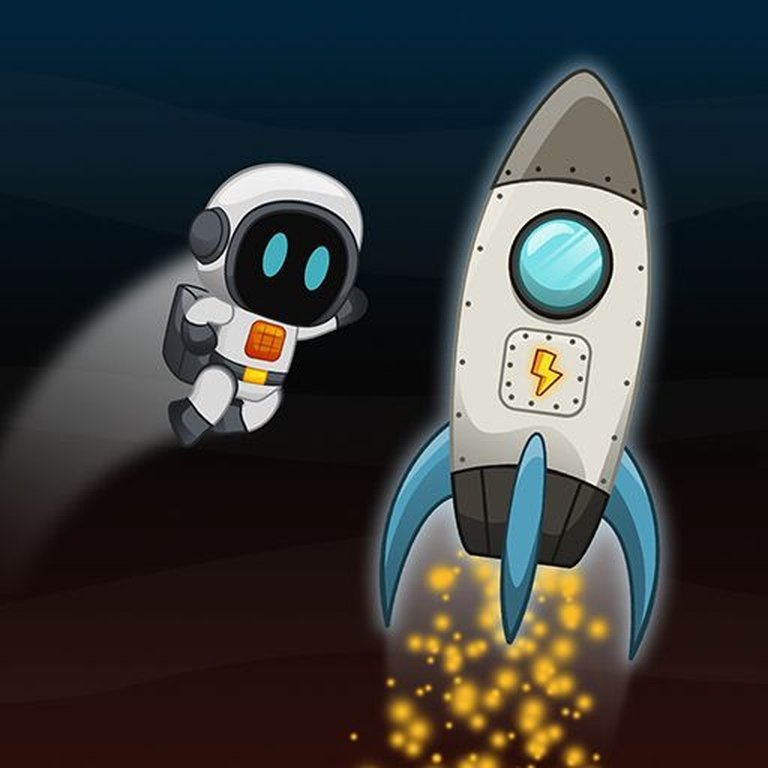
Crazy Gravity is a side-scrolling action-platformer set in a vibrant, sci-fi universe where players take on the role of a stranded astronaut navigating through 30 hand-drawn levels. The core mechanic involves flipping gravity to overcome obstacles, collect resources, and power up a rocket to return home. With its colorful, cartoonish art style and soothing soundtrack, the game offers a challenging yet accessible experience that tests dynamic thinking and reflexes across various platforms, including Android, Windows, and major consoles.
Where to Buy Crazy Gravity
PC
Crazy Gravity Patches & Updates
Crazy Gravity Guides & Walkthroughs
Crazy Gravity Reviews & Reception
thexboxhub.com (60/100): Crazy Gravity on Xbox has a neat feature in flipping gravity around, but even with this, it doesn’t necessarily rewrite the 2D platformer book.
metacritic.com (60/100): Crazy Gravity on Xbox has a neat feature in flipping gravity around, but even with this, it doesn’t necessarily rewrite the 2D platformer book.
steambase.io (92/100): Crazy Gravity has earned a Player Score of 92 / 100.
Crazy Gravity Cheats & Codes
PC
Enter codes at the password screen.
| Code | Effect |
|---|---|
| Hyacinth | Unlocks Level 2 |
| Meridian | Unlocks Level 3 |
| Kickback | Unlocks Level 4 |
| Interval | Unlocks Level 5 |
| Yearling | Unlocks Level 6 |
| Positron | Unlocks Level 7 |
| Clavicle | Unlocks Level 9 |
| Daffodil | Unlocks Level 10 |
| Dictator | Unlocks Level 11 |
| Blackout | Unlocks Level 12 |
| Laburnum | Unlocks Level 13 |
| Zucchini | Unlocks Level 14 |
| Eyeglass | Unlocks Level 15 |
| Frippery | Unlocks Level 16 |
| Guardian | Unlocks Level 17 |
| Nuisance | Unlocks Level 18 |
| Ornament | Unlocks Level 19 |
| Mishmash | Unlocks Level 20 |
Crazy Gravity: A Gravity-Defying Platformer That Flips Expectations
Introduction: A Cosmic Puzzle in Motion
Gravity is the invisible force that governs our world—reliable, unyielding, and predictable. But what happens when the rules of physics are rewritten? Crazy Gravity, developed by JM Neto Game Dev and published by Eastasiasoft Limited, dares to ask this question by plunging players into a surreal, gravity-bending platformer where up is down, left is right, and every jump is a calculated risk. Released in 2020 on Android before expanding to PC and consoles in 2021, Crazy Gravity is a deceptively simple yet fiendishly clever indie title that challenges players to rethink spatial awareness in a 2D world.
At its core, Crazy Gravity is a love letter to classic platformers, evoking the precision and punishing difficulty of titles like Super Meat Boy and Celeste, while introducing a unique mechanic: gravity reversal. Players assume the role of a stranded astronaut who must navigate 30 hand-drawn levels, collecting resources to power their ship and escape a bizarre alien world. The twist? A dotted “gravity line” splits each level in half—crossing it flips gravity and inverts controls, turning what should be muscle-memory platforming into a cerebral puzzle.
This review will dissect Crazy Gravity from every angle: its development history, narrative subtleties, gameplay mechanics, artistic direction, critical reception, and lasting legacy. Is it a forgotten gem, a fleeting novelty, or a flawed experiment? Let’s dive in.
Development History & Context: The Birth of a Gravity-Bending Idea
The Studio Behind the Madness: JM Neto Game Dev
Crazy Gravity is the brainchild of JM Neto Game Dev, a small independent studio with a knack for experimental gameplay. While not a household name, the studio has carved a niche in the indie scene by focusing on mechanics that subvert expectations. Their collaboration with Eastasiasoft Limited—a publisher known for bringing quirky, often overlooked indie titles to consoles—ensured Crazy Gravity would reach a broader audience beyond its initial mobile release.
The game’s development was likely influenced by a long lineage of gravity-based platformers, from the 1980 Gravity (a dedicated handheld game) to modern indie darlings like Gravity Ghost (2015). However, Crazy Gravity distinguishes itself by tying gravity reversal to control inversion, a design choice that forces players to constantly recalibrate their movements.
Technological Constraints & Design Philosophy
Originally released on Android in October 2020, Crazy Gravity was built with mobile touch controls in mind. The transition to PC and consoles (2021) required careful adaptation to ensure the gravity-flipping mechanic felt intuitive with a controller or keyboard. The game’s 2D scrolling perspective and side-view presentation are reminiscent of 16-bit platformers, but its physics-based puzzles demand modern precision.
The decision to limit the game to 30 levels suggests a focus on quality over quantity, with each stage meticulously designed to exploit the gravity mechanic in new ways. The absence of enemies—replaced entirely by environmental hazards—further emphasizes the game’s puzzle-platformer roots, where the real challenge is mastering movement rather than combat.
The Gaming Landscape in 2020-2021: A Crowded Indie Scene
Crazy Gravity entered a market saturated with indie platformers, from Celeste’s emotional narrative to Dead Cells’ roguelike intensity. Its $4.99 price point and short playtime (1-2 hours) positioned it as a budget-friendly, pick-up-and-play experience, ideal for achievement hunters and casual gamers alike.
The game’s multi-platform release strategy (Android, PC, PS4/5, Xbox One/Series X|S, Nintendo Switch) ensured maximum visibility, though it also meant competing with heavier hitters like Hollow Knight and Ori and the Will of the Wisps. Despite this, Crazy Gravity found a niche audience, particularly among trophy/achievement collectors, thanks to its lenient completion requirements (only 12 levels needed for 100% on consoles).
Narrative & Thematic Deep Dive: A Silent Story of Survival
Plot: Lost in Space, Found in Chaos
Crazy Gravity’s narrative is minimalist by design. Players control a lone astronaut who has crash-landed on an alien planet. The goal? Collect energy resources (lightning bolts) to power your ship and escape. There are no cutscenes, no dialogue, and no named characters—just a silent protagonist against an unforgiving world.
This lack of traditional storytelling is not a flaw but a deliberate artistic choice. The game’s environmental storytelling shines through its level design and visuals, with each stage feeling like a self-contained puzzle box in a larger cosmic journey. The astronaut’s struggle mirrors classic survival narratives, evoking the isolation of Metroid or the perseverance of Journey, albeit in a more abstract form.
Themes: Control, Adaptation, and the Illusion of Mastery
Beneath its colorful, cartoonish exterior, Crazy Gravity explores deeply psychological themes:
- The Fragility of Control – The gravity flip mechanic forces players to relinquish muscle memory, making every jump a test of adaptability. This mirrors real-life scenarios where familiar systems suddenly invert (e.g., learning a new skill, navigating cultural differences).
- Precision vs. Chaos – The game’s punishing lack of checkpoints means one mistake sends players back to the start of a level. This reinforces the theme of perseverance in the face of failure, a common trope in difficult platformers.
- Duality and Perspective – The gravity line acts as a metaphorical divide, forcing players to see the world from two opposing viewpoints. This could be interpreted as a commentary on binary thinking or the need to re-evaluate assumptions.
Characters & World-Building: A Universe of Hazards
While Crazy Gravity lacks traditional characters, its world is alive with personality:
- The Astronaut – A silent, expressive protagonist whose animations convey determination and frustration.
- The Planet – A surreal, hand-drawn alien world filled with floating platforms, laser traps, and spike pits. The absence of enemies suggests a hostile but not malevolent environment—nature itself is the antagonist.
- The Lightning Bolts – More than just collectibles, these serve as symbols of progress, each one bringing the astronaut closer to freedom.
The game’s sci-fi/futuristic setting is more whimsical than hard sci-fi, leaning into a cartoonish, almost dreamlike aesthetic that softens its brutal difficulty.
Gameplay Mechanics & Systems: Where Physics Meets Platforming
Core Gameplay Loop: Flip, Jump, Survive
Crazy Gravity’s gameplay revolves around three core mechanics:
- Gravity Flipping – Crossing the dotted line reverses gravity, sending the astronaut hurtling in the opposite direction. This is the game’s defining feature, turning simple jumps into complex puzzles.
- Control Inversion – When gravity flips, left becomes right and vice versa. This forces players to rethink movement mid-air, adding a layer of mental gymnastics.
- Momentum-Based Platforming – The height of your jump before crossing the gravity line determines your trajectory afterward. Mastering this is key to reaching high platforms or avoiding hazards.
Level Design: A Masterclass in Puzzle Platforming
The 30 levels are divided into increasingly complex challenges:
- Early Levels (1-10) – Introduce basic gravity flipping and control inversion. Hazards are minimal, allowing players to acclimate.
- Mid Levels (11-20) – Introduce laser traps, moving platforms, and tight corridors, demanding precise timing.
- Late Levels (21-30) – Brutal precision platforming, where one misstep means instant death. Some levels require perfect execution of double jumps and gravity flips.
The lack of checkpoints is both a blessing and a curse. It encourages mastery through repetition but can lead to frustration, especially in later stages where a single mistake undoes minutes of progress.
Combat & Progression: A Hazard-Only Approach
Crazy Gravity eschews traditional combat entirely. Instead, the game’s challenges come from:
- Spike Pits – Instant death if touched.
- Laser Traps – Require precise timing to avoid.
- Moving Platforms – Test reflexes and adaptability.
- Tight Corridors – Demand pixel-perfect jumps.
This pure platforming focus makes Crazy Gravity feel like a throwback to arcade-era difficulty, where success hinges on pattern recognition and execution.
UI & Accessibility: Simple but Effective
The game’s minimalist UI ensures the focus remains on gameplay:
- Health/Stamina Bar – None. One hit = death.
- Level Timer – Absent, encouraging exploration.
- Control Scheme – Direct and responsive, though the inverted controls post-gravity flip take getting used to.
The lack of customizable controls (especially on console) is a minor oversight, as some players may struggle with the hardcoded inversion mechanic.
World-Building, Art & Sound: A Cosmic Playground
Visual Design: Hand-Drawn Charm Meets Sci-Fi Whimsy
Crazy Gravity’s art style is its strongest asset. The game features:
- Vibrant, Cartoonish Graphics – Bright colors and smooth animations give the game a playful, almost childlike appeal.
- Hand-Drawn Levels – Each stage feels unique, with distinct backgrounds and platform layouts.
- Expressive Character Design – The astronaut’s animations (e.g., flailing arms when falling) add personality to an otherwise silent protagonist.
The sci-fi setting is more Jetpack Joyride than Metroid, leaning into accessible, fun visuals rather than grim realism.
Sound Design & Music: A Soothing Contrast to the Chaos
The soundtrack is a standout feature, offering:
- Relaxing, Ambient Tracks – A calming melody that contrasts with the game’s high-stakes platforming, helping players stay focused.
- Subtle Sound Effects – Jumping, gravity flips, and collecting lightning bolts all have satisfying audio cues.
- No Voice Acting – The lack of dialogue reinforces the lone survivor atmosphere.
The music’s minimalist approach ensures it never overpowers the gameplay, instead acting as a meditative backdrop to the chaos.
Atmosphere: A Lonely Yet Playful Journey
Despite its bright visuals, Crazy Gravity conveys a sense of isolation. The astronaut’s struggle is solitary, with no NPCs or allies to aid them. Yet, the whimsical art style prevents the game from feeling bleak, instead framing the journey as a fun, if challenging, adventure.
Reception & Legacy: A Cult Classic in the Making?
Critical Reception: Mixed but Generally Positive
Crazy Gravity received modest attention from critics, with reviews highlighting its innovative mechanics but short length:
- TheXboxHub (60/100) – Praised the gravity-flipping mechanic but criticized the lack of replayability and easy achievements.
- Psyware.net (8/10) – Called it a “fun way to spend 30 minutes” and praised the Platinum trophy accessibility.
- Steam Reviews (92% Positive) – Players appreciated the challenge and charm, though some found the later levels overly punishing.
The game’s biggest appeal lies in its achievement/trophy design, making it a favorite among completionists.
Commercial Performance: A Niche Success
While not a blockbuster hit, Crazy Gravity found success as a budget indie title, particularly on Nintendo Switch and Xbox, where it benefited from Ratalaika Games’ reputation for easy Platinums.
Its multi-platform availability ensured steady sales, though it remains overshadowed by bigger indie platformers.
Influence & Legacy: Inspiring Future Gravity-Based Games?
Crazy Gravity’s biggest contribution is its unique take on gravity mechanics. While not the first game to experiment with gravity reversal, its control inversion twist sets it apart.
Future indie developers may draw inspiration from its:
- Minimalist storytelling – Proving that environmental design can carry a narrative.
- Precision platforming – A reminder that difficulty can be rewarding when paired with tight controls.
- Accessible achievement design – Showing how short, challenging games can thrive in the trophy-hunting community.
Conclusion: A Flawed but Fascinating Experiment
Crazy Gravity is not a perfect game, but it is a bold one. Its gravity-flipping mechanic is a stroke of genius, forcing players to rethink everything they know about platforming. The hand-drawn art, soothing soundtrack, and punishing difficulty create a unique, if niche, experience.
Final Verdict: 7.5/10 – A Short but Memorable Trip
Pros:
✅ Innovative gravity-flipping mechanic that keeps gameplay fresh.
✅ Charming, hand-drawn visuals and a relaxing soundtrack.
✅ Tight, responsive controls (once you adapt to inversion).
✅ Perfect for achievement hunters (easy Platinum/1000G).
Cons:
❌ Short playtime (1-2 hours for completionists).
❌ Frustrating difficulty spikes in later levels.
❌ No checkpoints can make progress feel punishing.
❌ Lack of replayability beyond achievements.
Who Should Play It?
- Platformer enthusiasts who love a challenge.
- Achievement/trophy hunters looking for an easy 100%.
- Casual gamers who enjoy short, clever puzzles.
Who Should Skip It?
- Players who hate precision platforming.
- Those seeking deep narrative or RPG elements.
- Gamers who prefer longer, more substantial experiences.
Final Thoughts: A Gravity-Defying Oddity
Crazy Gravity won’t redefine the platformer genre, but it carves out its own little corner with clever mechanics and undeniable charm. It’s a testament to indie creativity, proving that even the simplest ideas—flipping gravity and controls—can lead to hours of head-scratching fun.
For $5, it’s a steal—just don’t expect it to stay on your hard drive for long.
Rating: 7.5/10 – “A Brief but Brilliant Gravity Trip.”
Would you defy gravity? Play Crazy Gravity and find out. 🚀