
- Release Year: 2022
- Platforms: Windows
- Publisher: Koch Media GmbH (Austria), Smilegate Entertainment, Inc.
- Developer: Blackbird Interactive, Inc.
- Genre: Strategy, Tactics
- Perspective: Diagonal-down
- Game Mode: Online PVP, Single-player
- Gameplay: characters control, Multiple units, Point and select, Real-time strategy (RTS)
- Setting: Futuristic, Sci-fi
- Average Score: 61/100
Description
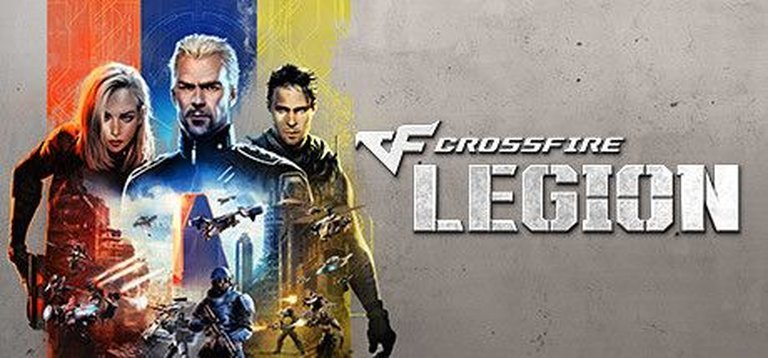
CrossFire: Legion is a real-time strategy (RTS) game set in a sci-fi/futuristic universe, where players command armies in fast-paced, tactical battles. Developed by Blackbird Interactive and published by Smilegate Entertainment, the game features a mix of single-player campaigns and competitive multiplayer modes for 2-6 players. With a focus on unit control, resource management, and strategic decision-making, it offers a modern take on classic RTS gameplay, though reviews note its lack of depth in storytelling and competitive balance.
Gameplay Videos
CrossFire: Legion Free Download
CrossFire: Legion Mods
CrossFire: Legion Guides & Walkthroughs
CrossFire: Legion Reviews & Reception
metacritic.com (62/100): A really solid feature-complete action RTS title that brings back great memories of better games.
fingerguns.net (60/100): Crossfire: Legion is an accessible RTS with a decent foundation to become a great game, but it’s held back by a lackluster campaign, poor pathfinding and shallow strategic systems.
opencritic.com (61/100): Crossfire: Legion is a competent but uninspired return to the Command and Conquer era of games that fails to live up to that legacy.
pressplaynews.net : Crossfire: Legion is a lot of fun as a throwback to the golden era of RTS games.
CrossFire: Legion Cheats & Codes
PC (Steam) – May 31, 2022
Activate the trainer at the main menu. Leave options OFF until in-game and moving units around.
| Code | Effect |
|---|---|
| NumPad 1 | God Mode |
| NumPad 2 | Mega Resources |
| NumPad 3 | Game Speed |
PC (Steam) – March 06, 2023
Activate the trainer at the main menu.
| Code | Effect |
|---|---|
| Campaign Super Units | Enhances units in campaign mode |
| Standard VS Super Units | Modifies unit balance |
| Mega Resources | Increases resources |
| Game Speed | Adjusts game speed |
PC (Steam) – December 10, 2022
Activate the trainer at the main menu.
| Code | Effect |
|---|---|
| Super Units | Enhances units |
| Mega Resources | Increases resources |
| Game Speed | Adjusts game speed |
PC (Steam) – August 13, 2022
Activate the trainer at the main menu.
| Code | Effect |
|---|---|
| God Mode | Invincibility |
| Mega Resources | Increases resources |
| Game Speed | Adjusts game speed |
PC (Steam) – July 12, 2022
Activate the trainer at the main menu.
| Code | Effect |
|---|---|
| God Mode | Invincibility |
| Mega Resources | Increases resources |
| Game Speed | Adjusts game speed |
PC (PLITCH)
Download and install PLITCH, start Crossfire: Legion, and use the PLITCH cheats.
| Code | Effect |
|---|---|
| Godmode (All selected units) | Invincibility for selected units |
| Easy kills | Simplifies defeating enemies |
CrossFire: Legion: A Flawed but Nostalgic Return to Classic RTS
Introduction
CrossFire: Legion is a real-time strategy (RTS) game developed by Blackbird Interactive and published by Prime Matter and Smilegate. Released in December 2022 after a period in early access, it attempts to revive the classic RTS formula in a modern context. The game is set in the CrossFire universe, a franchise primarily known for its first-person shooters, and introduces three factions—Global Risk, Black List, and New Horizon—each with distinct playstyles and units. While CrossFire: Legion offers a nostalgic return to the RTS genre, it struggles with shallow mechanics, a forgettable campaign, and persistent technical issues. This review will delve into the game’s development, narrative, gameplay, world-building, reception, and legacy to assess its place in the RTS landscape.
Development History & Context
The Studio and Vision
Blackbird Interactive, the developer behind CrossFire: Legion, is a studio with a strong pedigree in RTS games. Known for their work on Homeworld: Deserts of Kharak and Iron Harvest, Blackbird Interactive was tasked with bringing the CrossFire franchise into the RTS genre. The game was announced in June 2021 by Prime Matter, a premium label under Koch Media, and entered early access in May 2022 before its full release in December 2022.
The vision for CrossFire: Legion was to create a “classic RTS” experience, drawing inspiration from games like Command & Conquer and StarCraft. The developers aimed to fill the gap left by the decline of traditional RTS games, offering a fast-paced, accessible, and competitive experience. However, the game’s development was not without challenges, including persistent technical issues and a lack of innovation that plagued its early access phase.
Technological Constraints and Gaming Landscape
CrossFire: Legion was developed using the Unity engine, a choice that allowed for cross-platform compatibility but also introduced limitations in terms of performance and graphical fidelity. The game’s development coincided with a resurgence of interest in RTS games, driven by titles like Age of Empires IV and StarCraft II. However, CrossFire: Legion faced stiff competition from both modern and classic RTS games, many of which offered deeper mechanics and more polished experiences.
The gaming landscape at the time of CrossFire: Legion‘s release was dominated by battle royale and multiplayer shooters, making it difficult for a niche RTS game to gain traction. Additionally, the game’s early access phase revealed several flaws, including poor pathfinding, shallow strategic depth, and a lack of innovation, which were not fully addressed by the time of its full release.
Narrative & Thematic Deep Dive
Plot and Characters
CrossFire: Legion is set in a near-future world consumed by corporate conflict, where three factions—Global Risk, Black List, and New Horizon—vie for dominance. Global Risk is a counter-terrorist organization focused on long-range combat, Black List is a breakaway group employing guerrilla tactics, and New Horizon relies on heavy, futuristic units like the bipedal “Titan” mech.
The game’s campaign is divided into missions that introduce players to each faction’s unique units and abilities. However, the narrative is largely forgettable, with generic characters and a clichéd plot that fails to engage players. Despite the inclusion of a stellar voice cast, including Ashly Burch and Elias Toufexis, the writing lacks depth and originality, making the campaign feel more like a tutorial than a compelling story.
Themes
The game’s themes revolve around corporate warfare, ideological conflict, and the struggle for dominance in a fractured world. However, these themes are not explored in any meaningful way, and the game’s narrative fails to provide the emotional or intellectual depth found in other RTS games like StarCraft or Command & Conquer. The lack of a strong narrative foundation undermines the game’s potential to create a memorable and immersive experience.
Gameplay Mechanics & Systems
Core Gameplay Loops
CrossFire: Legion follows the traditional RTS formula of resource gathering, base-building, and unit management. Players control one of three factions, each with unique units, abilities, and playstyles. The game’s core gameplay loop involves harvesting resources (fuel and materials), constructing buildings, and producing units to engage in combat.
The game features several multiplayer modes, including “Versus,” “Payload,” and “Operation Thunderstrike,” which offer different objectives and gameplay styles. However, the lack of depth in the game’s mechanics and the persistence of technical issues, such as poor pathfinding and shallow strategic systems, detract from the overall experience.
Combat and Character Progression
Combat in CrossFire: Legion is fast-paced and accessible, with a focus on unit abilities and tactical deployment. Each faction has unique units and commanders with special abilities that can turn the tide of battle. However, the game’s combat lacks the strategic depth and variety found in other RTS games, making engagements feel repetitive and uninspired.
Character progression is limited, with players unlocking new units and upgrades as they progress through the campaign and multiplayer modes. The game’s deck system restricts players to a small selection of units, limiting strategic diversity and punishing players for deviating from the meta.
UI and Innovative Systems
The game’s user interface (UI) is functional but lacks the polish and intuitiveness of other RTS games. The UI does not provide quick access to all the tools players need, making it difficult to deploy abilities and manage units effectively. Additionally, the game’s pathfinding system is flawed, with units often getting stuck or failing to follow commands.
CrossFire: Legion introduces several innovative systems, such as the Commander mechanic, which allows players to deploy special abilities that can turn the tide of battle. However, these systems are not fully realized, and the game’s lack of innovation and depth makes it feel like a missed opportunity.
World-Building, Art & Sound
Setting and Atmosphere
CrossFire: Legion is set in a near-future world consumed by corporate conflict, with battles taking place across a variety of environments, from urban landscapes to futuristic military bases. The game’s setting is visually impressive, with detailed environments and unit designs that reflect each faction’s unique aesthetic.
However, the game’s world-building is shallow, with little exploration of the factions’ ideologies, histories, or motivations. The lack of a strong narrative foundation undermines the game’s potential to create a memorable and immersive experience.
Visual Direction
The game’s visual direction is competent but uninspired, with a focus on functional rather than innovative design. The game’s environments and unit designs are detailed and distinct, but they lack the polish and creativity found in other RTS games. The game’s graphical performance is solid, with a steady framerate and smooth animations, but it fails to push the boundaries of what is possible in the genre.
Sound Design
The game’s sound design is one of its strongest aspects, with excellent voice acting and satisfying sound effects. The game’s voice cast, including Ashly Burch and Elias Toufexis, delivers strong performances, but the writing lacks depth and originality, making the dialogue feel generic and uninspired. The game’s soundtrack is functional but forgettable, with little to distinguish it from other RTS games.
Reception & Legacy
Critical and Commercial Reception
CrossFire: Legion received mixed reviews from critics, with an average score of 63% on MobyGames and a Metascore of 62 on Metacritic. Critics praised the game’s accessible gameplay, solid visuals, and stellar voice acting but criticized its shallow mechanics, forgettable campaign, and persistent technical issues.
The game’s reception was lukewarm, with many critics noting that it failed to live up to the legacy of classic RTS games like Command & Conquer and StarCraft. The game’s lack of innovation and depth made it feel like a missed opportunity, and its persistent technical issues undermined its potential to create a memorable and engaging experience.
Evolution of Reputation
Since its release, CrossFire: Legion has struggled to gain traction in the RTS community. The game’s multiplayer modes have been largely abandoned, with few players remaining active. The game’s lack of updates and technical support has further undermined its reputation, with many players expressing disappointment over the game’s abandonment by its developers.
Influence on Subsequent Games
CrossFire: Legion has had little influence on subsequent RTS games, with its lack of innovation and depth making it a forgettable entry in the genre. The game’s failure to live up to the legacy of classic RTS games has made it a cautionary tale for developers looking to revive the genre.
Conclusion
CrossFire: Legion is a flawed but nostalgic return to the classic RTS formula. While the game offers accessible gameplay, solid visuals, and a stellar voice cast, it is held back by shallow mechanics, a forgettable campaign, and persistent technical issues. The game’s lack of innovation and depth makes it feel like a missed opportunity, and its failure to live up to the legacy of classic RTS games has made it a forgettable entry in the genre.
Despite its flaws, CrossFire: Legion is a competent RTS that offers a decent foundation for future updates and improvements. However, the game’s lack of updates and technical support has further undermined its potential, making it difficult to recommend to anyone but diehard fans of the genre. In the end, CrossFire: Legion is a reminder of the challenges faced by developers looking to revive the RTS genre in a modern context.