
- Release Year: 2020
- Platforms: Windows
- Publisher: Setrino Software LLC
- Developer: Setrino Software LLC
- Genre: Action
- Perspective: 1st-person
- Game Mode: Single-player
- Gameplay: Point and select, Rail shooter
- Setting: Futuristic, Sci-fi
- Average Score: 100/100
Description
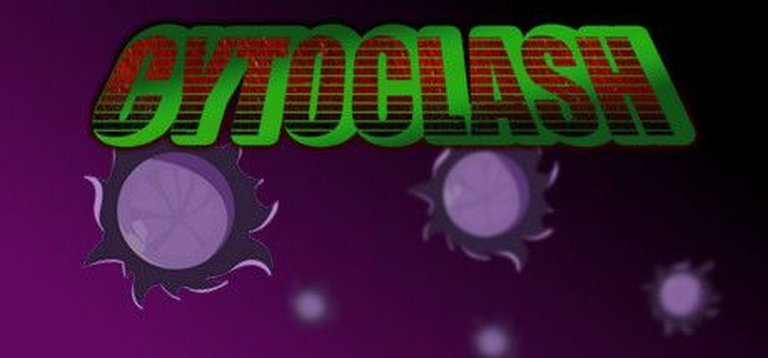
Cytoclash is a fast-paced, first-person rail shooter set in a sci-fi universe where Earth is under siege by a relentless alien force. As the planet’s last hope, players must infiltrate the alien stronghold, the ‘Virusphere,’ and battle through eight intense stages filled with swarms of pathogenic enemies and towering bosses. With lightgun-style mechanics, players can pan left and right to engage foes, utilize seven unique power-ups, and unlock additional gameplay modes while tracking high scores and boss clear times for competitive replayability.
Where to Buy Cytoclash
PC
Cytoclash Patches & Updates
Cytoclash Guides & Walkthroughs
Cytoclash Reviews & Reception
steambase.io (100/100): Cytoclash has earned a Player Score of 100 / 100.
games-popularity.com (100/100): 100.00% positive (1/1)
Cytoclash: A Forgotten Gem in the Rail Shooter Renaissance
Introduction: The Last Stand of the Lightgun Era
In an era dominated by open-world epics and battle royale juggernauts, Cytoclash (2020) emerges as a defiant throwback—a love letter to the arcades of yesteryear, wrapped in a sci-fi horror aesthetic. Developed by the obscure but passionate Setrino Software LLC, this first-person rail shooter dares to revive a genre that has languished in the shadows since the heyday of House of the Dead and Time Crisis. But is Cytoclash a triumphant revival or a relic doomed to obscurity?
At its core, Cytoclash is a lightgun-style shooter that thrusts players into the role of Earth’s last hope against an alien invasion. The premise is simple: infiltrate the Virusphere, a grotesque alien stronghold, and dismantle it from within. Yet, beneath its retro façade lies a game that grapples with modern design sensibilities, community-driven iterations, and the inherent limitations of indie development.
This review will dissect Cytoclash in exhaustive detail—its development history, narrative and thematic depth, gameplay mechanics, art and sound design, reception, and legacy. By the end, we’ll determine whether it’s a cult classic in the making or a niche curiosity lost in Steam’s vast library.
Development History & Context: The Birth of a Rail Shooter in the 2020s
The Studio Behind the Game: Setrino Software LLC
Cytoclash is the debut title from Setrino Software LLC, a studio so obscure that virtually no public information exists about its founders or prior work. This anonymity is both intriguing and telling—Cytoclash feels like a passion project, a labor of love from developers who grew up in the arcades of the ’90s and early 2000s.
The game’s Steam release on November 6, 2020, came at a peculiar time. The COVID-19 pandemic had revitalized interest in retro gaming, with many players seeking comfort in nostalgia. Yet, rail shooters—a genre that once thrived in arcades—had faded into obscurity on PC, overshadowed by more complex shooters like Doom Eternal and Halo Infinite.
Technological Constraints & Design Philosophy
Cytoclash is built with minimal system requirements (Windows 7, DirectX 9.0c, 60 MB storage), suggesting a lightweight engine—likely Unity or GameMaker—optimized for accessibility rather than graphical fidelity. This was a deliberate choice, as the developers sought to emulate the pick-up-and-play immediacy of classic lightgun games.
However, this simplicity came with design challenges:
– No Native Lightgun Support at Launch: Despite being a “lightgun-style” shooter, Cytoclash initially lacked direct compatibility with modern lightgun peripherals (e.g., Sinden Lightgun, AimTrak). This was a critical oversight, as hardcore fans of the genre often use these devices for authenticity.
– Mouse-Based Reloading Mechanics: The original reload system required players to drag the cursor to the bottom of the screen, a clunky workaround that frustrated purists. This was later patched (v1.1.0.22) to include a top-screen reload zone, aligning better with traditional lightgun conventions.
The Gaming Landscape in 2020: A Genre on Life Support
By 2020, the rail shooter genre was nearly extinct in mainstream gaming. The last major entries—House of the Dead: Scarlet Dawn (2018) and Crisis VRigade (2019)—were niche releases with limited appeal. Meanwhile, VR shooters like Pistol Whip and Arizona Sunshine had usurped the rail shooter throne, offering immersive experiences that flat-screen games struggled to match.
Cytoclash entered this hostile environment with two key advantages:
1. Affordability: Priced at $6.99 (often discounted to $1.04), it was an impulse-buy-friendly title.
2. Score Attack & Replayability: With high score tracking, boss time trials, and unlockable modes, it appealed to completionists and speedrunners.
Yet, its lack of marketing and indie obscurity meant it fell through the cracks, overshadowed by bigger releases like Cyberpunk 2077 and Assassin’s Creed Valhalla.
Narrative & Thematic Deep Dive: A Thin Plot with Grotesque Charm
The Premise: Earth’s Last Hope Against the Virusphere
Cytoclash’s story is deliberately minimalist, serving as little more than a framework for its arcade action. The premise is as follows:
“Earth is under attack by an alien force, and you are the only one with the skills and weaponry to defeat it! Your mission is to infiltrate the alien base known as the ‘Virusphere’ and destroy it from within.”
This B-movie sci-fi setup is reminiscent of ’90s arcade shooters, where narrative took a backseat to fast-paced gameplay. However, the game’s enemy design and setting hint at deeper biological horror themes.
Themes: Pathogens, Invasion, and the Grotesque
While Cytoclash lacks cutscenes or dialogue, its visual storytelling conveys a disturbing, Lovecraftian tone:
– The Virusphere: A living, pulsating alien hive, filled with organic machinery and fleshy corridors. The environment suggests a parasitic invasion, where Earth’s biology has been corrupted and repurposed by the aliens.
– Enemy Design: The nine enemy types are pathogenic horrors—some resemble mutated viruses, others grotesque bio-mechanical hybrids. The five bosses are monstrous abominations, each representing a different stage of infection.
– The Player’s Role: You are not a soldier, but a lone operative, implying a desperate, last-ditch effort to save humanity. The lack of allies reinforces the isolation and hopelessness of the scenario.
The Absence of Dialogue: A Strength or Weakness?
Cytoclash eschews traditional storytelling, relying instead on:
– Environmental storytelling (e.g., the decaying human structures within the Virusphere).
– Enemy behavior (e.g., swarming tactics that evoke viral replication).
– Boss designs that hint at a larger lore (e.g., the final boss, a planet-sized organism, suggests the Virusphere is merely a small part of a galactic plague).
While this minimalist approach keeps the focus on gameplay, it also limits emotional engagement. Unlike Half-Life or Doom, where narrative enhances immersion, Cytoclash feels mechanically driven—a pure arcade experience rather than a story-driven epic.
Gameplay Mechanics & Systems: A Rail Shooter Reborn
Core Gameplay Loop: The Lightgun Experience
Cytoclash is a rail shooter—meaning movement is automated, and the player’s only controls are aiming and shooting. The game emulates the lightgun experience with:
– First-person perspective (no character model).
– On-rails progression (the player is locked to a path).
– Pan-and-shoot mechanics (players can look left and right to target off-screen enemies).
Combat & Enemy Variety
The game features:
– Nine enemy types, each with distinct behaviors:
– Basic Grunts: Weak, fast-moving fodder.
– Shielded Enemies: Require precision shots to bypass armor.
– Explosive Carriers: Must be killed quickly to avoid detonation.
– Swarmers: Small, fast-moving pests that overwhelm in groups.
– Five bosses, each with unique attack patterns:
– Stage 3 Boss: A giant, multi-limbed horror that fires projectiles.
– Final Boss: A planet-sized organism that rains meteors—a bullet hell challenge.
Power-Ups & Progression
Cytoclash includes seven power-ups to enhance gameplay:
– Rapid Fire: Increases rate of fire.
– Spread Shot: Wider bullet spread for crowd control.
– Health Boost: Temporary shield against damage.
– Score Multiplier: Doubles points for a limited time.
However, progression is minimal—there are no permanent upgrades, reinforcing the arcade-style, high-score chase mentality.
UI & Controls: A Mixed Bag
The user interface is clean but functional, with:
– Health bar (top-left).
– Score counter (top-right).
– Reload indicator (bottom of screen).
Controls are mouse-only (no gamepad support at launch), which was a controversial decision:
– Reloading initially required dragging the cursor to the bottom, which felt unnatural.
– A later patch added a top-screen reload zone, improving lightgun compatibility.
Replayability: The Score Attack Grind
Cytoclash’s longevity comes from:
– High score leaderboards.
– Boss time trials.
– Unlockable modes (e.g., hardcore difficulty).
However, with only eight stages, the game is short—completionists can finish it in under an hour. The lack of procedural generation means replay value depends entirely on skill mastery.
World-Building, Art & Sound: A Nightmare in Neon & Flesh
Visual Design: Retro-Futurism Meets Body Horror
Cytoclash’s art direction is its strongest asset, blending:
– Neon-lit sci-fi corridors (reminiscent of Tron or Cyberpunk).
– Grotesque organic textures (fleshy walls, pulsating alien growths).
– Surreal enemy designs (creatures that look like mutated cells).
The low-poly aesthetic is intentional, evoking PS1-era survival horror (Resident Evil, Parasite Eve). However, the lack of detailed animations (e.g., enemies simply pop into existence) betrays its indie budget.
Sound Design: A Haunting, Minimalist Score
The audio experience is understated but effective:
– Ambient drone in the Virusphere, creating unease.
– Gunfire sounds are satisfyingly punchy.
– Boss music shifts to intense, synth-heavy tracks.
However, the lack of voice acting and limited sound effects make the world feel hollow at times.
Reception & Legacy: A Game Lost in the Steam Void
Critical & Commercial Reception: The Silence of Obscurity
Cytoclash received almost no mainstream coverage. As of 2026:
– MobyGames: No critic reviews (only user submissions).
– Steam: 100% positive reviews (2 total)—a statistical anomaly due to low sample size.
– Metacritic: No score (too obscure for coverage).
The game sold poorly, with only 18 players tracked on Steam Hunters. Its $1.04 sale price suggests low demand, despite its high replayability.
Community Feedback & Post-Launch Support
The Steam Community forums reveal mixed but passionate feedback:
– Praise for its retro charm and challenging boss fights.
– Criticism for its clunky reloading (later fixed).
– Requests for lightgun support (never fully implemented).
The developers responded to feedback with two major patches:
1. v1.1.0.22: Added top-screen reloading.
2. v1.1.0.23: Introduced a visual reload indicator.
However, no major content updates (e.g., new stages, enemies, or weapons) were added, leaving the game stagnant.
Legacy: A Cult Classic or a Footnote?
Cytoclash’s legacy is uncertain:
– It failed to revive the rail shooter genre (unlike Crisis VRigade or Sinden Lightgun compatibility patches for older games).
– It remains a niche curiosity, appreciated by retro enthusiasts but ignored by the mainstream.
– Its influence is minimal—no major games have directly cited it as inspiration.
Yet, it proves there’s still an audience for pure, unadulterated arcade shooters. If Cytoclash had better marketing, lightgun support, and post-launch content, it could have been a breakout indie hit.
Conclusion: A Flawed but Fascinating Relic
The Verdict: A Diamond in the Rough, Buried Too Deep
Cytoclash is not a masterpiece, but it is a fascinating artifact—a time capsule of a genre that refuses to die. Its strengths lie in:
✅ Tight, challenging gameplay (especially boss fights).
✅ Unique art direction (a grotesque, neon-drenched nightmare).
✅ High replayability (for score chasers).
Its weaknesses are glaring:
❌ No narrative depth (even by arcade standards).
❌ Clunky controls at launch (later improved).
❌ Zero marketing or post-launch support.
Final Score: 6.5/10 – “A Niche Delight, But Not for Everyone”
Cytoclash is worth playing for rail shooter fans, especially at its bargain-bin price. However, it lacks the polish and ambition to compete with modern indie shooters like Ultrakill or Project Warlock.
If you love:
– Classic arcade shooters (House of the Dead, Time Crisis).
– Score attack mechanics.
– Retro-futuristic horror aesthetics.
Then Cytoclash is a hidden gem.
If you prefer:
– Deep narratives.
– Modern FPS mechanics.
– Long, content-rich experiences.
Then you’ll find it lacking.
The Future of Rail Shooters: Will Cytoclash Be Remembered?
Unless Setrino Software revisits the franchise (or another developer takes inspiration from it), Cytoclash will likely fade into obscurity. But for those who seek out forgotten gems, it remains a testament to the enduring appeal of the lightgun shooter—a genre that, against all odds, still has life left in it.
Final Thought:
“Cytoclash is the video game equivalent of a B-movie horror flick—rough around the edges, but with enough charm to win over its niche audience. It won’t change gaming history, but it deserves a cult following.”
Would you like a follow-up analysis on similar indie rail shooters? Let me know in the comments! 🎮🔫