
- Release Year: 2018
- Platforms: PlayStation 4, Windows
- Publisher: emergeWorlds Pty Ltd.
- Developer: emergeWorlds Pty Ltd.
- Genre: Action
- Perspective: 1st-person
- Game Mode: Single-player
- Gameplay: Motion control, Music, rhythm
- Setting: Cyberpunk, dark sci-fi, Fantasy
- Average Score: 80/100
- VR Support: Yes
Description
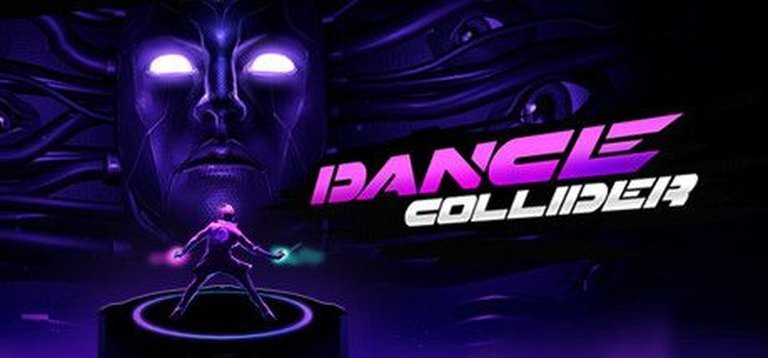
Dance Collider is a dynamic VR rhythm game set in a cyberpunk-inspired world where players dance to the beat of music by hitting nodes in sync with the soundtrack. Featuring 45 original songs, customizable difficulties, and a built-in VR song editor, the game allows players to create their own dance routines or compete on global leaderboards. With futuristic arenas, diverse characters, and motion-controlled gameplay, it blends high-energy dance battles with immersive, reactive gameplay tailored to each track.
Gameplay Videos
Where to Buy Dance Collider
PC
Dance Collider Patches & Updates
Dance Collider Mods
Dance Collider Guides & Walkthroughs
Dance Collider Reviews & Reception
gamevalio.com (80/100): A polarizing title that works really well for its target audience but might frustrate those expecting something different.
steambase.io (81/100): Dance Collider has earned a Player Score of 81 / 100.
Dance Collider: A Rhythmic Revolution in VR
Introduction
In the ever-evolving landscape of virtual reality gaming, Dance Collider emerges as a vibrant and energetic contender, blending the exhilaration of rhythm games with the immersive potential of VR. Developed by emergeWorlds, this title carves out a niche by transforming the living room into a futuristic dance battleground where players face off against AI-controlled dancers in a test of rhythm, reflexes, and endurance. With its unique blend of motion-based gameplay, a diverse soundtrack, and a distinctive visual style, Dance Collider offers a fresh take on the rhythm genre, promising both a workout and a dance-off experience. This review delves deep into the game’s development, mechanics, narrative, and legacy, exploring how it stands out in a crowded market and what it brings to the table for VR enthusiasts and rhythm game fans alike.
Development History & Context
The Studio and Vision
emergeWorlds, the Australian studio behind Dance Collider, has a history of experimenting with emerging technologies, particularly in virtual reality. Their portfolio includes projects like First Aid and Spaces, which explore VR applications beyond traditional gaming, such as educational and real estate tours. Dance Collider represents their foray into the competitive rhythm game space, a genre that has seen a resurgence with the advent of VR.
The game’s development began in mid-2017, following the studio’s work on Cupid’s Bow. The vision was clear: to create a VR dance game that leveraged the immersive nature of the medium to make players feel like they were truly dancing in a futuristic world. The team aimed to differentiate Dance Collider from other rhythm games by emphasizing full-body movement and dynamic interactions, rather than the static, button-pressing mechanics of traditional rhythm titles.
Technological Constraints and Innovations
Developing for VR presented unique challenges, particularly in ensuring that the game’s mechanics were intuitive and responsive. The team at emergeWorlds had to grapple with motion tracking accuracy, latency issues, and the physical limitations of players’ play spaces. The solution was to design a game that encouraged movement while remaining accessible to players with varying levels of physical ability and space.
One of the standout innovations in Dance Collider is its “reactive” gameplay system. Unlike traditional rhythm games where the gameplay is fixed to pre-determined patterns, Dance Collider generates dance sequences dynamically based on the music selected by the player. This approach not only adds replayability but also allows for a more personalized experience, as each song can feel unique depending on the player’s choices.
The Gaming Landscape at Release
Dance Collider launched on September 27, 2018, for Windows, with a PlayStation 4 release following in 2020. At the time of its release, the VR gaming market was still in its infancy, with titles like Beat Saber beginning to gain traction. The rhythm genre was dominated by games like Dance Dance Revolution and Just Dance, which relied on peripheral controllers or motion-sensing cameras. Dance Collider sought to capitalize on the immersive potential of VR, offering a more physical and engaging experience than its predecessors.
The game’s release coincided with a growing interest in VR fitness games, as players began to recognize the potential of virtual reality as a tool for exercise. Dance Collider positioned itself as both a game and a workout, appealing to a broad audience of gamers and fitness enthusiasts alike.
Narrative & Thematic Deep Dive
Plot and Setting
Dance Collider is set in a cyberpunk-inspired futuristic world where underground dance battles are the ultimate test of skill and style. The game’s narrative revolves around the player’s journey to become the ultimate dance master by defeating nine unique characters, each hailing from different parts of the world. These characters, ranging from the fiery Pyro to the disciplined Sonya, serve as both opponents and gatekeepers to the game’s final boss, Uriel, an AI entity that controls the dance battlegrounds.
The story is minimalistic, serving primarily as a framework for the game’s core gameplay loop. However, the cyberpunk setting and the diverse cast of characters add a layer of depth and personality to the experience. Each character has their own distinct visual theme and musical style, which influences the gameplay and the atmosphere of their respective battles.
Characters and Dialogue
The nine playable characters in Dance Collider are designed to be larger-than-life personalities, each with their own unique dance styles and signature moves. While the dialogue is sparse, the characters’ animations and voice lines contribute to their distinct identities. For example, Pyro is portrayed as a confident and taunting opponent, while Sonya embodies a more disciplined and athletic approach to dancing.
The interactions between the player and these characters are limited to pre-battle taunts and post-battle reactions, but they serve to enhance the competitive atmosphere of the game. The lack of a deep narrative is compensated by the game’s focus on gameplay and player expression, allowing players to immerse themselves in the rhythm and movement rather than a complex story.
Underlying Themes
At its core, Dance Collider explores themes of competition, self-expression, and the universal language of music. The game’s cyberpunk setting reflects a world where technology and human creativity intersect, creating a space where dance becomes a form of rebellion and self-assertion. The diverse cast of characters underscores the idea that dance is a global phenomenon, transcending cultural and geographical boundaries.
The game also touches on the theme of physicality and the joy of movement. By encouraging players to dance and move in real life, Dance Collider celebrates the connection between the virtual and physical worlds, promoting a sense of embodiment and presence that is unique to VR gaming.
Gameplay Mechanics & Systems
Core Gameplay Loop
Dance Collider is a rhythm game at its heart, but it distinguishes itself through its emphasis on full-body movement and dynamic interactions. The core gameplay loop involves selecting a character to battle, choosing a song from their playlist, and then dancing to the rhythm by hitting nodes and cascades that appear in sync with the music.
Players use motion-controlled paddles to interact with the game world. These paddles are color-coded to match the nodes that appear on the screen, and players must hit the corresponding nodes with the correct paddle to score points. The game also features yellow nodes that require both paddles to be used simultaneously, adding a layer of complexity and coordination to the gameplay.
Combat and Character Progression
While Dance Collider is not a traditional combat game, the battles against the AI-controlled dancers are framed as competitive dance-offs. Each character has their own unique dance style and signature moves, which are reflected in the patterns and sequences of nodes that players must hit. The game’s difficulty scales with the player’s progress, with each character offering multiple difficulty levels to challenge players of all skill levels.
The game does not feature a traditional progression system with unlockable abilities or upgrades. Instead, progression is tied to the player’s performance in each battle, with higher scores unlocking new songs and characters. The lack of a deep progression system is compensated by the game’s focus on mastery and high-score chasing, encouraging players to refine their skills and improve their performance with each playthrough.
UI and Innovative Systems
Dance Collider‘s user interface is designed to be intuitive and immersive, with a futuristic aesthetic that complements the game’s cyberpunk setting. The UI provides clear visual feedback on the player’s performance, including score updates, combo counters, and accuracy indicators. The game also features a dynamic leaderboard system, allowing players to compete against friends and other players worldwide.
One of the most innovative aspects of Dance Collider is its VR Dance Editor, which allows players to create custom dance sequences for any song they choose. This feature not only extends the game’s replayability but also empowers players to express their creativity and share their creations with the community. The Dance Editor is a testament to the studio’s commitment to player agency and customization, setting Dance Collider apart from other rhythm games.
Flaws and Limitations
Despite its innovations, Dance Collider is not without its flaws. The game’s motion tracking can sometimes be finicky, particularly in fast-paced sequences where precision is crucial. Additionally, the lack of a deep narrative or character development may leave some players wanting more. The game’s reliance on full-body movement also means that players with limited space or physical limitations may find it challenging to fully enjoy the experience.
World-Building, Art & Sound
Setting and Atmosphere
Dance Collider transports players to a vibrant and futuristic world where dance battles take place in neon-lit arenas. The game’s cyberpunk aesthetic is evident in its visual design, with sleek, high-tech environments that evoke a sense of futuristic urbanity. Each character’s stage is uniquely themed, reflecting their personality and musical style, and contributing to the game’s immersive atmosphere.
The game’s art direction is bold and colorful, with a focus on dynamic lighting and particle effects that enhance the sense of movement and energy. The visual design is complemented by the game’s sound design, which features a diverse soundtrack of original songs by F-777. The music spans a range of genres, from electronic and hip-hop to more experimental and avant-garde styles, ensuring that there is something for every taste.
Sound Design and Music
The soundtrack of Dance Collider is one of its strongest assets, featuring 45 original songs that are specifically designed to complement the game’s rhythm-based gameplay. The music is energetic and engaging, with a focus on strong beats and catchy melodies that make it easy for players to get into the rhythm. The sound design also includes dynamic audio cues that provide feedback on the player’s performance, enhancing the sense of immersion and responsiveness.
The game’s use of motion-captured dances for each song adds a layer of authenticity and fluidity to the gameplay. The combination of music, visuals, and motion-captured animations creates a cohesive and engaging experience that draws players into the world of Dance Collider.
Reception & Legacy
Critical and Commercial Reception
Dance Collider received a mixed but generally positive reception upon its release. Critics praised the game’s innovative use of VR technology, its energetic soundtrack, and its emphasis on full-body movement. The game’s dynamic gameplay and customizable Dance Editor were also highlighted as standout features. However, some critics noted the game’s lack of a deep narrative and the occasional issues with motion tracking.
Commercially, Dance Collider found a niche audience among VR enthusiasts and rhythm game fans. The game’s affordable price point and the growing interest in VR fitness games contributed to its success, particularly among players looking for a fun and engaging way to stay active.
Evolution of Reputation
Over time, Dance Collider has developed a reputation as a unique and enjoyable VR rhythm game that offers a refreshing alternative to more traditional titles. The game’s community has grown, with players sharing custom dance sequences and competing on global leaderboards. The studio’s commitment to updates and improvements, such as the Hardcore Update, has also helped to maintain the game’s relevance and appeal.
Influence on Subsequent Games
Dance Collider has had a notable influence on the VR rhythm game genre, inspiring other developers to explore the potential of full-body movement and dynamic interactions in their own titles. The game’s success has also contributed to the growing trend of VR fitness games, demonstrating the potential of virtual reality as a tool for exercise and physical activity.
Conclusion
Dance Collider is a vibrant and innovative addition to the VR rhythm game genre, offering a unique blend of dynamic gameplay, energetic music, and immersive visuals. While it may not have the depth of narrative or character development found in other games, its focus on full-body movement and player expression sets it apart as a refreshing and engaging experience. The game’s customizable Dance Editor and global leaderboards add layers of replayability and community engagement, ensuring that players have plenty of reasons to keep coming back.
In the broader context of video game history, Dance Collider represents a significant step forward in the evolution of rhythm games, demonstrating the potential of VR technology to create immersive and physically engaging experiences. Its legacy lies in its ability to inspire both players and developers, showcasing the possibilities of virtual reality as a medium for creative expression and physical activity. For fans of rhythm games and VR enthusiasts alike, Dance Collider is a title that deserves recognition and appreciation for its innovation and energy.
Final Verdict: Dance Collider is a must-play for VR enthusiasts and rhythm game fans, offering a unique and engaging experience that blends music, movement, and competition in a futuristic cyberpunk world. While it may not be perfect, its innovations and energetic gameplay make it a standout title in the VR landscape. 8/10