
- Release Year: 2022
- Platforms: Windows
- Publisher: DarKnot Team
- Developer: DarKnot Team
- Genre: Action
- Perspective: 1st-person
- Game Mode: Single-player
- Gameplay: Puzzle elements, Survival horror
- Setting: Fantasy
- Average Score: 60/100
Description
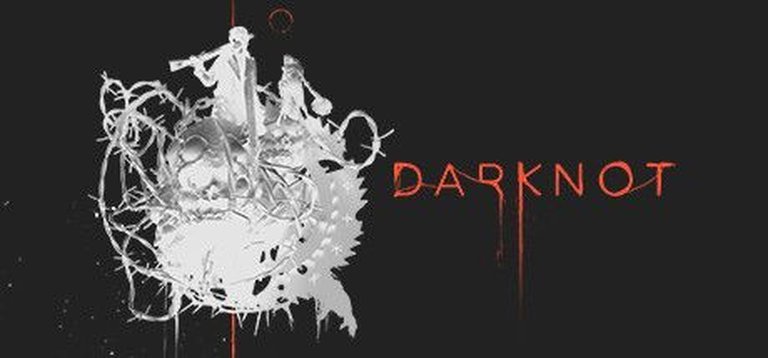
DarKnot is a first-person survival horror game set in a nightmarish fantasy world where players confront psychological terrors, solve intricate puzzles, and battle grotesque enemies. Beginning in a disorienting hospital nightmare, the game gradually escalates its challenges across procedurally modified locations, ensuring unpredictable encounters and unique narrative threads with each playthrough. Emphasizing atmosphere and tension, it features agile combat mechanics, firearms management, and cooperative elements against a backdrop of shifting horrors designed to test players’ resolve.
Gameplay Videos
Where to Buy DarKnot
PC
DarKnot Cracks & Fixes
DarKnot Mods
DarKnot Guides & Walkthroughs
DarKnot Reviews & Reception
steambase.io (60/100): DarKnot has earned a Player Score of 60 / 100.
store.steampowered.com : All Reviews: Mixed (57% of 52)
DarKnot: A Fractured Descent Into Survival Horror’s Labyrinth
Introduction
In the crowded catacombs of survival horror, DarKnot stands as a grim totem to ambition and unrealized potential. Released in November 2022 by the indie DarKnot Team, this Unreal Engine 4-powered experiment blends psychological terror, immersive sim aspirations, and Souls-like brutality into a fractured, fog-shrouded nightmare. Though its development was tragically abandoned, DarKnot remains a fascinating artifact—a game that tantalizes with its vision of a shifting, reactive horror world while stumbling under the weight of its own scope. This review unpacks its legacy as a flawed but feverishly creative entry in the genre.
Development History & Context
A Small Team’s Dark Vision
The DarKnot Team, a fledgling studio, set out to create a “third-person non-linear psychological survival horror” that merged Silent Hill’s existential dread with The Evil Within’s grotesque combat. Developed during the Early Access boom of the early 2020s, the game aimed to leverage Unreal Engine 4’s flexibility to craft a reactive world where death altered the narrative. However, the team’s inexperience and ambition collided: updates slowed by December 2022, and by 2023, development ceased entirely, leaving DarKnot as a disjointed yet haunting glimpse into what might have been.
A Landscape of Shadows
DarKnot arrived amid a resurgence of indie horror, with titles like Signalis and Mortuary Assistant redefining the genre. Yet its blend of survival mechanics, tarot-card-driven stealth, and roguelite elements defied easy categorization. The DarKnot Team’s devotion to “hardcore” design—perma-death systems, unstable weapons, and sanity mechanics—felt both retro and recklessly bold in an era favoring accessibility.
Narrative & Thematic Deep Dive
A Fugue State of Storytelling
Players awaken in a decaying city swallowed by fog, haunted by fractured memories of a son overtaken by demons. The plot unfolds obliquely through environmental cues, journal fragments, and encounters with a grotesque bestiary—cultists, ghostly “brothers,” and the ax-wielding Champion. Themes of paternal guilt and cosmic horror echo Silent Hill 2, but the narrative’s non-linear structure often obscures more than it reveals. Death reshapes the world, with new paths unlocking (or closing) based on choices, yet this fragmentation left many players adrift in a lore-rich but incoherent tale.
Characters as Ciphers
The protagonist’s blank-slate nature undermines emotional engagement, though the DarKnot Team teased deeper characterization in cut content, including playable female avatars. NPCs like the cryptic “friend” who leaves diary entries hint at a richer web of relationships, but these threads fray in the game’s incomplete state.
Gameplay Mechanics & Systems
A Juggernaut of Ideas
DarKnot offers four playstyles:
– Warrior: Brute-force combat with degrading weapons.
– Explorer: Puzzle-solving and hidden-object hunting.
– Survivor: Resource-gathering and crafting.
– Fugitive: Stealth powered by sanity-draining tarot cards.
Each approach alters progression, but不平衡的 systems mar the experience. Combat—praised for its “tooth-crushing” difficulty—feels unpolished, with hitboxes unreliable and enemies like the Champion swinging between ruthlessly smart and bafflingly passive. The survival elements (hunger, cold, sanity) initially immersive, devolve into tedious micromanagement due to limited inventory and vague UI cues.
Highs and Lows
Innovations like the burner mechanic (a flamethrower with finite fuel) and dynamic ritual systems (using blood to unlock paths) shine, while the diary UI—updated to include lore notes and turning-page animations—adds depth. Yet technical failures, such as bugs causing item loss or NPCs clipping through walls, undermine these triumphs.
World-Building, Art & Sound
A City of Echoes
The fog-drenched city is DarKnot’s strongest asset. Locations like the Father’s Apartment, a nightmarish hospital, and co-op-enabled sewer labyrinths ooze dread, blending Resident Evil’s claustrophobia with Bloodborne’s Gothic sprawl. The art direction juxtaposes mundane decay (peeling wallpaper, rusted gears) with surreal touches, like chess pieces adorned with screaming faces.
Sound as a Weapon
Field recordings from abandoned sites—creaking metal, distant whispers—layer unease. The soundtrack’s “detuned zitherette” and 70 BPM heartbeat rhythm amplify tension, though abrupt audio drops and looping glitches occasionally shatter immersion.
Reception & Legacy
A Divided Response
At launch, DarKnot earned mixed Steam reviews (57% positive). Critics praised its ambition and atmosphere but lambasted its janky systems and abandoned state. YouTube creators like Moist Charlie Clips showcased its potential, while players lamented its “postmodern” incoherence. The DarKnot Team’s engagement—posting player screenshots, hosting Discord Q&As—couldn’t offset the sting of its unfinished narrative.
Echoes in the Fog
Despite its flaws, DarKnot influenced indie horror by proving the viability of genre fusion. Games like The Last Faith and Luna Abyss owe debts to its blend of Souls-like combat and psychological terror. Its modular approach to playstyles also presaged later titles offering narrative flexibility, such as Slay the Princess.
Conclusion
DarKnot is a paradox: a game of startling creativity and frustrating incompleteness. Its crumbling cities, innovative systems, and harrowing sound design suggest a masterpiece trapped in a flawed shell. Yet for horror aficionados willing to brave its jagged edges, it offers moments of raw, untamed brilliance. As a cautionary tale of Early Access ambition, it’s unforgettable; as a playable experience, it’s tragically incomplete. In the annals of survival horror, DarKnot will endure—not as a titan, but as a ghost, whispering of what might have been.
Final Verdict: A flawed but fascinating relic, best suited for genre historians and players hungry for uncharted terror.