
- Release Year: 2019
- Platforms: PlayStation 4, Windows, Xbox One
- Publisher: All in! Games Sp.z o.o., Destructive Creations Sp z.o.o, DMM.com Co., Ltd.
- Developer: Invader Studios srl
- Genre: Action, Shooter, Survival horror
- Perspective: Behind view
- Game Mode: Single-player
- Setting: 1990s
- Average Score: 54/100
Description
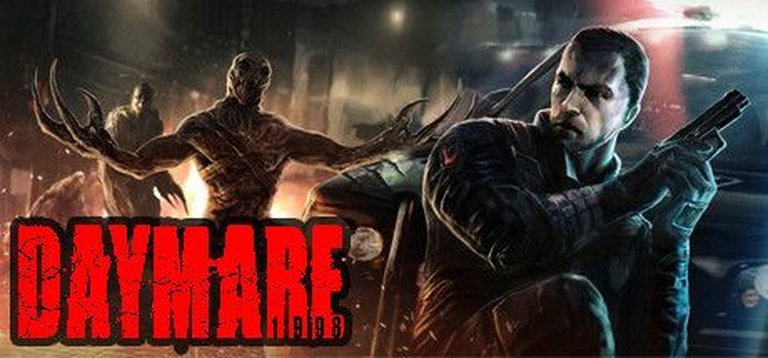
Daymare: 1998 is a survival horror shooter set in the 1990s, developed by Invader Studios. Players face nightmarish creatures in a ravaged town after a military unit uncovers a deadly viral outbreak. With a behind-view perspective and tense gameplay, the game emphasizes inventory management, strategic combat, and atmospheric exploration, drawing inspiration from classic horror franchises.
Where to Buy Daymare: 1998
Daymare: 1998 Free Download
Daymare: 1998 Cracks & Fixes
Daymare: 1998 Patches & Updates
Daymare: 1998 Mods
Daymare: 1998 Guides & Walkthroughs
Daymare: 1998 Reviews & Reception
opencritic.com (56/100): Designed as an homage to 90s horror, Daymare: 1998 tries too hard to mimic its inspiration when it should have focused on being its own game.
metacritic.com (53/100): Daymare: 1998 is a game that, far from reaching the level of Resident Evil remakes, still deserves a chance from fans of the survival horror genre for the efforts of differentiation and depth of its created universe. A great debut for Invader Studios.
indiegamewebsite.com : It falls apart, because the execution leaves a lot to be desired.
Daymare: 1998: Review
A Haunting Homage to Survival Horror’s Golden Age Struggles to Escape the Shadows of Its Influences
Introduction
In the bloodstained annals of survival horror, few passion projects carry the bittersweet weight of Daymare: 1998. Born from the ashes of a canceled Resident Evil 2 fan remake and nurtured by Italian indie studio Invader Studios, this love letter to ’90s horror wears its inspirations like a battle-scarred badge of honor. With a thesis rooted in nostalgic austerity—limited resources, methodical puzzles, and grueling tension—Daymare beckons players to a time when every bullet mattered and every corridor hid dread. Yet, beneath its earnest homage lies a game torn between reverence for the past and the unforgiving standards of modern design.
Development History & Context
From Fan Fiction to Original Vision
Invader Studios emerged in 2015 as a collective of horror devotees, their Resident Evil 2 Reborn demo capturing viral acclaim for blending classic fixed-camera suspense with RE4’s over-the-shoulder combat. When Capcom’s cease-and-desist coincided with their own official remake announcement, the studio faced extinction—until an unexpected olive branch: an invitation to Capcom’s Osaka HQ. There, producers encouraged the team to channel their passion into an original IP, birthing Daymare: 1998.
A David-vs-Goliath Production
With a core team of 10 developers and a shoestring budget, Daymare leaned on Unreal Engine 4 to craft its vision. The project attracted Resident Evil alumni, including RE3: Nemesis director Kazuhiro Aoyama (associate producer) and enemy artist Satoshi Nakai. Paul Haddad, the original voice of Leon Kennedy, joined as the Cleaner—his final role before his death. Despite delays and crowdfunding hurdles, Destructive Creations and All in! Games provided publishing muscle, launching the game on PC in 2019 and consoles in 2020.
A Genre in Flux
Daymare arrived amid a survival-horror renaissance: Capcom’s RE2 remake dominated 2019, while indie darlings like Signalis reimagined retro mechanics. Invader Studios aimed to bridge eras, offering classic scarcity with modern polish—a gamble that exposed the studio’s technical inexperience alongside its fervent ambition.
Narrative & Thematic Deep Dive
Triangulating Tragedy
Set in the fictional Idaho town of Keen Sight, Daymare unravels a biocatastrophe through three protagonists:
– Liev, a H.A.D.E.S. operative whose loyalty masks moral decay.
– Raven, a Hexacorp pilot haunted by past failures.
– Samuel, a forest ranger battling “Daymare Syndrome”—hallucinations blurring reality and nightmare.
Their intertwining stories expose Hexacorp’s grotesque experiments and a rival corporation’s sabotage, weaving themes of corporate malfeasance, viral dehumanization, and psychological fragility. Documents scattered across laboratories and apartments reveal a lore-rich tapestry echoing Resident Evil’s obsession with Umbrella-esque conspiracies.
Strengths and Stumbles
The narrative’s non-linear structure rewards attentive players but buckles under clichéd dialogue (“We’re not leaving anyone behind!“) and wooden voice acting. Samuel’s segments stand out, leveraging his hallucinations to warp enemy encounters into mind games. Yet, the finale’s abrupt Mexican standoff—leaving fates unresolved—feels less like ambiguity and more like narrative exhaustion.
Gameplay Mechanics & Systems
The Good, the Bad, and the Tedious
Daymare’s DNA is pure survival horror:
– Inventory Tetris: The D.I.D. wrist device hosts a RE4-style grid, demanding strategic choices between ammo, health, and puzzle items.
– Realistic Reloading: Bullets are loaded into magazines manually, with partial clips discarded if swapped prematurely—a system praised for tension but criticized for clunkiness.
– Puzzle Design: Environmental riddles range from clever (deciphering Hexacorp’s encrypted files via real-world website puzzles) to frustrating (obtuse fuse-box sequences).
Combat: A Double-Edged Knife
Enemies—zombies, hulking Type-7s, acid-spewing Melted Men—demand precision. Headshots are vital, but stiff controls and delayed animations turn skirmishes into exercises in frustration. Boss fights (e.g., the dual Castor H.A.D.E.S. clash) devolve into bullet-sponge slogs, exacerbating scarce resource economies.
Modern vs. Classic
A post-launch “Modern Take” mode streamlined reloading and added casual difficulty, yet the core experience remains rooted in ’90s masochism. For better or worse, Daymare refuses to let players forget its inspirations—even when they’ve aged poorly.
World-Building, Art & Sound
Keen Sight: A Town Devoured
From Aegis Laboratories’ sterile carnage to Keen Sight’s crumbling Main Street, Daymare’s environments ooze decaying authenticity. Flickering lights, blood-smeared walls, and ’90s pop-culture easter eggs (Back to the Future almanacs, Men in Black posters) create a tactile time capsule. Yet, character models—plasticine faces, robotic animations—shatter immersion, a stark reminder of budget constraints.
Soundscapes of Dread
The true MVP is sound design:
– Ambiance: Creaking floorboards, distant screams, and radio static build unease.
– Score: Alessandro Galdieri’s synth-heavy tracks oscillate between eerie silence and panic-driven crescendos.
– Flaws: Gun sounds (notably the MP5) lack punch, undermining combat feedback.
Reception & Legacy
Mixed Praise, Vocal Criticism
Daymare earned a 52-68 Metascore (platform-dependent), crystallizing its “flawed homage” status:
– Praise: Atmosphere, puzzles, and earnest nostalgia (GamingTrend: 80%).
– Criticism: Janky controls, shallow characters, and “unforgivable” design relics (Way Too Many Games: 40%).
Player reviews echoed this divide, with some praising its “vintage survival horror soul” and others lamenting its “unpolished mess.”
A Stepping Stone
The game’s legacy lies in proving indie studios could resurrect retro horror—flaws and all. Its cult following spurred a prequel (Daymare: 1994 Sandcastle, 2023) and cemented Invader Studios as a B-tier contender. Yet, its failures—uneven execution, dated mechanics—underscore the perils of artistic homage without innovation.
Conclusion
Daymare: 1998 is a haunting paradox: a game forged in sheer reverence for survival horror’s golden age, yet shackled by its refusal to evolve beyond it. For genre diehards, its oppressive atmosphere, meticulous resource management, and labyrinthine lore offer a potent—if imperfect—hit of nostalgia. For newcomers, its clunky combat and narrative stumbles may feel like relics best left buried. In the end, Invader Studios’ debut stands as a testament to passion over polish, a flawed but fascinating artifact for those willing to forgive its sins in exchange for a trip back to 1998.
Final Verdict: 6.5/10—A must-play for survival horror archaeologists, but a rough initiation for the uninitiated.