
- Release Year: 2013
- Platforms: Android, iPad, iPhone, Macintosh, Windows
- Publisher: BadFly Interactive, a.s., Bulkypix
- Developer: inDev Brain
- Genre: Action
- Perspective: 1st-person
- Game Mode: Single-player
- Gameplay: Shooter, Time manipulation
- Setting: Futuristic, Sci-fi, Space station, Spaceship
- Average Score: 71/100
Description
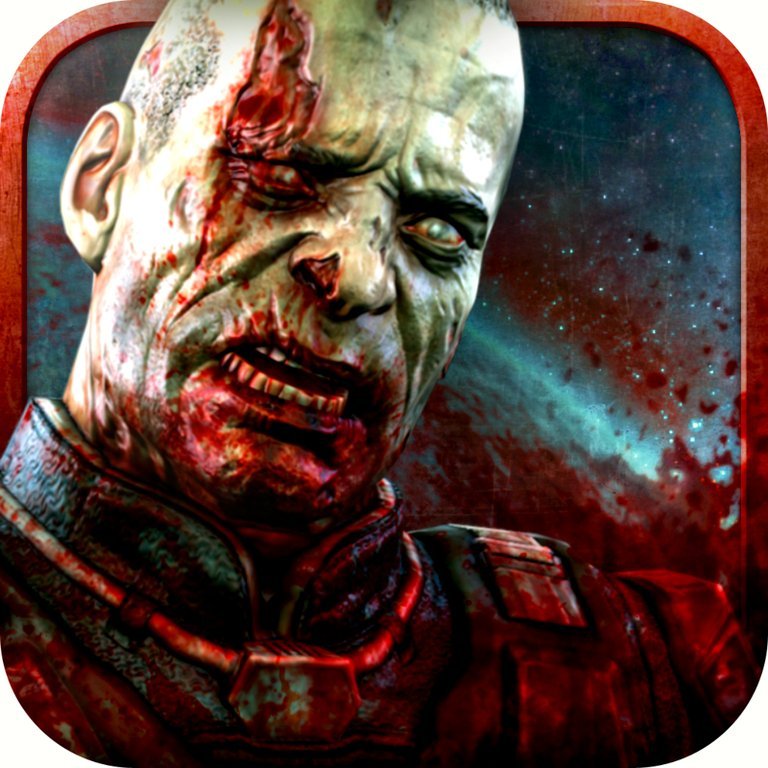
In Dead Effect, players control a cybernetically enhanced elite Unit 13 soldier who awakens amid a zombie virus outbreak on the ESS Meridian starship, which is barreling toward Earth as a carrier of the deadly pathogen. This sci-fi horror first-person shooter tasks you with battling hordes of undead, utilizing bullet time mechanics, upgrading weapons and cybernetic implants, and thwarting the catastrophe through intense missions and survival modes aboard the infected spaceship.
Gameplay Videos
Where to Buy Dead Effect
PC
Dead Effect Free Download
PC
Dead Effect Cracks & Fixes
Dead Effect Guides & Walkthroughs
Dead Effect Reviews & Reception
metacritic.com (70/100): Dead Effect is a shot to the brain, right where it counts the most.
Dead Effect: Review
Introduction
Imagine awakening from cryogenic slumber on a colossal starship hurtling toward humanity’s first extrasolar colony, only to find your crewmates reduced to shambling, virus-ravaged horrors, their eyes glowing with unnatural hunger. This is the pulse-pounding premise of Dead Effect, a 2013 indie first-person shooter that transplants the zombie apocalypse into the cold void of space, blending Doom 3-style corridor carnage with Dead Space‘s isolation dread. Released initially for iOS and Android before a polished PC port, Dead Effect emerged from the Czech studio inDev Brain (later BadFly Interactive) as a mobile-first title that dared to challenge console giants in the FPS horror genre. Its legacy lies in proving that budget constraints and touch controls couldn’t stifle raw, gore-soaked entertainment, spawning a sequel and over three million downloads. My thesis: Dead Effect is a triumph of unpretentious B-movie thrills—a flawed but fiercely replayable zombie slaughterfest that distills sci-fi horror to its visceral essence, cementing its place as a cult mobile-to-PC success story.
Development History & Context
Dead Effect was born from the ambitions of inDev Brain, a small Czech outfit founded by industry veterans with credits on heavy-hitters like Mafia II, Vietcong 2, and Cold War. Led by CEO and Creative Director Lubomír Dykast, the core team—numbering just 14 developers for the Windows version—included talents like Lead Programmer Jiří Pecher, Lead Character Artist Ľudovít Lukáč, and Weapon Artist Ivan Vacek. Story Writer Jarek Kolář penned the script, while voice actors Daniel Brown (Professor Wagner), Ashe Kazanjian (Jane Frey/Computer), and Marc Cram (Gunnar Davis) brought the cast to life. Powered by the Unity engine, the game was optimized for mobile hardware, launching on iOS (September 12, 2013) and Android (October 15, 2013) via publisher BulkyPix.
The 2013 mobile gaming landscape was exploding with freemium shooters like Modern Combat and N.O.V.A., where touch-screen controls demanded simplified mechanics amid fierce competition from free-to-play models laden with in-app purchases (IAPs). Dead Effect debuted as a premium title before pivoting to freemium in February 2014, introducing gold/credit IAPs for upgrades—a “lacra” (stain) noted by critics like Vandal Online. Technological constraints were stark: iOS/Android hardware limited graphical fidelity, AI complexity, and draw distances, forcing linear corridor designs over open exploration. Yet, the team’s vision shone through in sci-fi polish, drawing overt inspiration from Dead Space (zombie mutations on a spaceship) and Mass Effect (title riff, cybernetic protagonists). Greenlit on Steam in February 2014, an Early Access PC/Mac build arrived April 15, evolving into the full release on December 17, 2014. The port addressed mobile woes—no IAPs, mouse/keyboard precision, expanded levels (more rooms, collectibles), and PC-exclusive features like sprinting, crouching, flashlight, and new enemies/modes. This cross-platform journey mirrored the era’s indie boom, where Unity democratized ports, but Dead Effect‘s roots in mobile grind (daily missions, replayability) reflected the freemium era’s grind-to-win ethos.
Narrative & Thematic Deep Dive
Dead Effect‘s story unfolds in 2045 aboard the ESS Meridian, a colony ship bound for Tau Ceti f with revolutionary FTL tech. Players choose Gunnar Davis (burly Space Marine) or Jane Frey (cybernetically enhanced assassin, whose lore notes her boobs as her only “natural” feature—an ironic TV Tropes-highlighted quip). Awakened prematurely from cryosleep 178 days in, the protagonist stumbles into a nightmare: crew turned zombies via the man-made “Dead Effect” virus, autopilot set for Earth, threatening global catastrophe.
Guided by the Herr Doktor-esque Dr. Wagner (voiced with extravagant German flair), the plot builds classic horror beats—med-lab detox, propulsion shutdown—before The Reveal: Wagner’s the treacherous quest-giver, a delusional mad scientist who hijacked the genuine colony ship for mutagen experiments. Collectible logs (PDAs, holograms) layer ambiguity: clones flood decks (explaining identical zombies), the player is a test subject (Badass Normal Gunnar or Cyborg Jane?), and Wagner’s brain-bulging form hints at self-mutation. The finale pits you against his electric-zombie boss form in the core, ending in a abrupt “A Winner Is You” explosion and credits.
Thematically, it’s B-movie gold: Gone Horribly Right super-soldier serum births apocalypse; irony in Jane’s “natural” assets amid full-body augments; Schrödinger’s protagonist (logs mention both, but only one exists—clone twist?). Dialogue is hilariously awful—critics like MacLife called it “proving most memorable for its hilariously awful dialogue,” with Wagner’s deadpan “You can call them [zombies]” and cheesy lines adding campy charm. Themes probe hubris (Wagner’s god-complex), isolation (empty corridors echo Alien: Isolation), and survival instincts lost to primal rage. No nuance or branching paths—it’s linear pulp fiction—but logs foreshadow Wagner’s villainy, rewarding exploration. Voice acting amplifies tropes: unintentionally comic, per Modojo, turning schlock into charm.
Gameplay Mechanics & Systems
At its core, Dead Effect is a tight FPS loop: traverse linear levels (12 story missions), mow zombie hordes, collect cash/gold/orbs/logs, upgrade, repeat. Combat thrives on ammo-efficient headshots (Boom, Headshot!), with the infinite-recharge Electromagnetic Stun Gun (Tazer Gauntlet) as emergency melee. Loadout limits—one pistol, one primary (14 upgradable weapons: A.K.A.-47 pistols like Stig P320, miniguns, chainsaws, BFG explosive crossbows), grenades/trip-mines—force strategy. Bullet Time (virus side-effect slow-mo) and Devastation (PC-exclusive AoE nuke) add flair, alongside cybernetic implants (more ammo/health/speed via chambers).
Progression shines: permanent upgrades via replayable missions encourage New Game Plus grinding; die but revive with cash. UI is clean—touch-customizable on mobile (virtual joystick, swipe-aim, 90° turns), responsive on PC. Survival (time-based) and Biohazard (waves) modes boost replayability, with kill combos/high scores yielding rewards; PC adds industrial arenas, daily missions (mobile-exclusive). Flaws abound: repetitive corridors (IGN Italia: “fin troppo simili”), weak mobile controls (AppSpy: “issues”), dumb AI (zombies lunge predictably), no run (pre-PC), microtransaction temptation (gold for BFGs like minigun). Innovations like anti-frustration loot teleport and version diffs (PC: more zombies/rooms for challenge/rewards) elevate it. It’s Doom 3-lite: Multi-Mook Melee hordes, Elite Zombies (armored grenadiers saying “hold on!”, chainsaw fatboys, minigun Giant Mooks), bosses like Captain Razor.
World-Building, Art & Sound
The ESS Meridian is a claustrophobic marvel—dark decks, cryo-pods, labs evoking System Shock 2 and Dead Space, with Unity’s post-process gore (appalling blood splatters, per RPS) amplifying horror. Visuals punch mobile limits: detailed zombies (10 models, cloned hordes), sci-fi arsenal (lightning guns, chainsaws), but betray origins (flat effects, per critics). PC port scales well, adding flashlight for tension, atmospheric fog.
Sound design grips: Matúš Široký’s orchestral score builds dread; Marek Horváth’s effects (gore squelches, zombie moans) immerse (Christ Centered Gamer: caution on violence/gore). Voice work is trope-heavy but effective—Wagner’s accent sells madness. Atmosphere thrives on isolation: empty ship, sudden hordes, Wagner’s intercom taunts create paranoia. Collectibles flesh lore (cloning, experiments), but linearity limits wonder—still, it’s a cohesive B-horror diorama.
Reception & Legacy
Launch reception was mixed-positive: iOS Metacritic 70/100 (TouchArcade 4/5: “fun shooter… great replayability”; Pocket Gamer 7/10: “gory, mindless fun”), PC MobyGames 65% critics (Christ Centered Gamer 94%: “fantastic… replay value”; Riot Pixels 45%: “банальный”). Steam: Mostly Positive (71% of 3,746 reviews), praising zombie hunts; complaints hit repetition, origins (RPS: “no nuance… finger-tapping”). Commercial hit: 3M+ downloads, $4.99 Steam sales via trilogy bundles.
Reputation evolved: mobile freemium grind irked (Vandal: “herencia… no cuaja”), but PC refined it into “cheapest thrills” (Hey Poor Player). Legacy: spawned Dead Effect 2 (2016, RPG elements, PS4/Xbox), VR spin-offs; influenced indie zombie ports (Unity staple). No industry shaker like Dead Space, but proves mobile indies scale—genre enthusiasts’ completist pick (Diehard GameFan).
Conclusion
Dead Effect masterfully blends zombie FPS pulp with sci-fi trappings, delivering 5+ hours of campaign, endless modes, and upgrades amid flawed linearity and campy narrative. Its mobile roots birthed a resilient port, turning constraints into replayable grit. Not revolutionary—repetitive, unoriginal—but unapologetically fun, like a lighter Doom 3 with Dead Space vibes. In history, it’s a footnote triumph: indie proof that zombies in space sell, paving sequels and affirming Czech talent. Verdict: 8/10—essential for horror shooters, a bloody gem in Unity’s hall of mobile ports. Play with lights on.