
- Release Year: 2018
- Platforms: Macintosh, Windows
- Publisher: MP Digital, LLC, Plug In Digital SAS
- Developer: CCCP
- Genre: Role-playing (RPG), Simulation, Strategy, Tactics
- Perspective: Top-down
- Game Mode: Single-player
- Gameplay: Camp management, Combat, Resource Management, Survival, Turn-based
- Setting: Europe
- Average Score: 76/100
Description
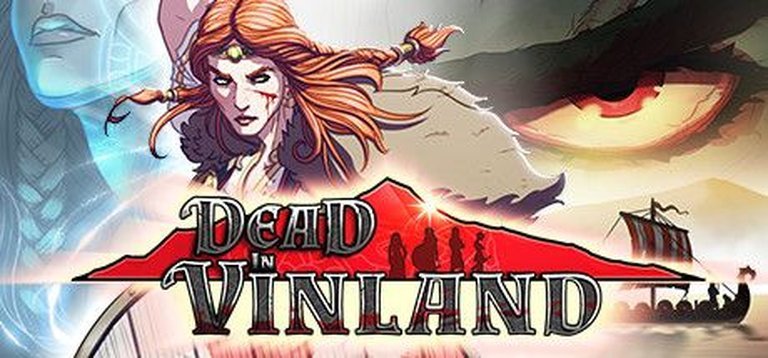
Dead in Vinland is a turn-based survival strategy game blending RPG, simulation, and tactical elements, set in a Norse-inspired European landscape where players manage a clan’s daily struggles, resource optimization, character development, and combat against threats, all while navigating an episodic narrative of hardship and exploration.
Gameplay Videos
Where to Buy Dead in Vinland
Dead in Vinland Cracks & Fixes
Dead in Vinland Guides & Walkthroughs
Dead in Vinland Reviews & Reception
metacritic.com (74/100): Dead in Vinland is easily one of the best games I’ve played, and its addictiveness is real.
opencritic.com (78/100): Dead in Vinland combines resource management, RPG combat, uneven writing, and a lot of diciness into something I couldn’t stop playing until I finished it.
pcgamer.com : Dead in Vinland combines resource management, RPG combat, uneven writing, and a lot of diciness into something I couldn’t stop playing until I finished it.
Dead in Vinland: Review
Introduction
Imagine clawing your way from the wreckage of a storm-tossed longship onto a fog-shrouded shore, where every dawn brings the gnawing pangs of hunger, the creeping shadow of despair, and the boot of a skull-hoarding warlord demanding tribute. Dead in Vinland (2018), the ambitious survival management sim from French indie studio CCCP, thrusts you into this Viking purgatory, blending the relentless grind of resource juggling with RPG depth and narrative intrigue. As the spiritual successor to 2015’s Dead in Bermuda, it refines a formula born from plane-crash isolation into a Norse-tinged odyssey of family bonds tested by esoteric horrors. My thesis: Dead in Vinland stands as a pinnacle of indie survival design, its interlocking systems of physical and psychological endurance creating an addictive “one more turn” loop that elevates genre tropes into a haunting meditation on human fragility—flaws in randomness and writing notwithstanding.
Development History & Context
CCCP, a nimble French outfit founded by veterans of educational gaming, pivoted decisively with Dead in Bermuda, their 2015 debut that married survival management to light RPG elements on a mysterious island. Dead in Vinland—development kicked off in June 2016—emerged from lessons learned: a larger team of about 10 (led by game designer Matthieu Richez, programmer Thomas Pattou, and artist Jacques Dedeken) invested roughly two years and €500,000 (per Le Monde estimates), plus a year of post-launch polish. Powered by Unity, it launched April 12, 2018, on PC/Mac via publishers Playdius (later Dear Villagers) and Plug In Digital, hitting Steam at $19.99.
The 2018 landscape was ripe for it: survival games dominated post-Don’t Starve and The Long Dark, while tactics like Darkest Dungeon popularized stress mechanics. CCCP’s vision? Expand Bermuda‘s core—assign tasks, manage needs, explore—into a Viking saga with deeper psychology, recruitable NPCs, and mythic twists. Constraints bred innovation: a tiny team meant hand-crafted assets (75 credits, including writers like Morgane Lainard), no multiplayer bloat, and modular DLC support. Three expansions followed (The Vallhund dog companion in 2018, Norse Side Stories dialogues in 2019, Endless Mode battles), culminating in the 2019 True Viking Edition Switch port bundling all content. A Linux beta teased broader reach, but focus stayed solo-premium, embodying indie ethos amid AAA excess.
Narrative & Thematic Deep Dive
At its heart, Dead in Vinland weaves a tapestry of exile and endurance. Protagonist Eirik, bastard son of a jarl, flees a mob-torched home with wife Blodeuwedd (a supreme chef with mystic leanings) and kids Moira (healer prodigy) and Kari (adventure-seeker). Shipwrecked on Vinland—a North America-inspired isle blending historical L’Anse aux Meadows with Atlantean fever dreams—they face Björn Headcleaver, a tyrannical warlord extorting tribute. Recruit 10+ survivors (Persian merchant Parvaneh, mute Grim, Japanese wanderers) via exploration, forging a camp of 14.
Plot Structure and Choices
Non-linear quests (70+) unfold across 150 explorable areas: daytime scavenging yields resources/events, nighttime camp chats build bonds. Choices ripple—romance sidequests bloom (witch-merchant awkwardness delights), betrayals fester, relationships (affection grids) boost productivity or spark feuds. Multiple endings hinge on averting a Chekhov’s volcano via orichalcum plot coupons, revealing Atlantean Translator Microbes, vortex barriers, and gods like Freyja/Loki. Dynamic epilogues detail survivors’ fates, underscoring theme: survival as collective scar-tissue.
Character Depth
Each of 14 has “historical” traits (Eirik’s “Potential Hero” XP boosts vs. “Lasting Remorse” depression drag) plus random ones, evolving via levels/dialogues. Events like Parvaneh’s trauma-reveal or Moira’s pyromania humanize: depression mechanics culminate in suicide if unchecked, mirroring real psychological toll. Dialogues mix bleak (“We came broken but had each other”) with slangy levity (“dumbass”), uneven but evocative—Norse myths clash with global cast, probing isolation, remorse, and fleeting joys.
Themes Explored
Beyond survival, it’s Nordic depression (Banner Saga echoes): repetitive toil breeds madness, weather (droughts refill water but spike thirst) mirrors fate’s cruelty. Esoteric lore—blue-skinned Atlanteans, fire crystals—adds cosmic dread, tying to Dead In… universe. Choices aren’t moral binaries but pragmatic cruelties, forcing “who starves?” triage.
Gameplay Mechanics & Systems
Dead in Vinland‘s loop is a masterful “spreadsheet sim”: turn-based days split day/night, assign 18+ stations (hunt, craft 150+ upgrades like gardens/sheep pens, cook meals), end-turn, adapt to fallout. Five needs—Hunger, Thirst (via “Share Drinks”), Fatigue, Injury/Disease, Depression—fill relentlessly; max any = death. Core family permadeath ends runs (“True Viking” mode amps this).
Core Loops and Progression
– Camp Management: Pair high-affection allies for bonuses; weather ravages (storms damage stations, rain rots meat). Fire is life—relight via rare mushrooms or Loki.
– Exploration: Hex-map delves trigger skill-check dice rolls (stats + RNG); loot, recruits, quests. UI shines: tooltips detail probabilities.
– Combat: JRPG/Darkest Dungeon hybrid—line up in ranks, slide-attack with classes (Warriors melee, Mystics support) and traits (Fast initiative, Healers post-fight). Tactical but repetitive; shines in boss tributes.
– RPG Layers: Level skills (Cooking 100% via Blodeuwedd), traits (pyromaniac risks, “Blessed” boons), wounds/diseases (broken arms heal slowly).
Innovations like depression (tavern mitigates), animosity (Björn escalates), and Vallhund training dazzle. Flaws? RNG tyranny—failed climbs injure, weather cascades doom. UI dense (no “send all to shelter”), routine sets in post-20 hours. Yet, “one more turn” hooks via emergent tales: a drought-saved harvest, romance-fueled productivity.
| Mechanic | Strength | Weakness |
|---|---|---|
| Needs Management | Holistic (mental/physical interplay) | RNG spikes unfixable |
| Combat | Rank-shuffling tactics | Routine after unlocks |
| Exploration | 150+ events, non-linear | Dice frustration |
| Camp Building | 150+ crafts, evolutive | Early-game hell |
World-Building, Art & Sound
Vinland pulses with layered lore: Viking realism (raccoons as “wild cats,” tomatoes anachronism) meets myth—volcanic gods, power crystals, sheep-whisperers. Camp evolves from rags to tavern-garden haven, cozy amid bleak wilds; exploration unveils misty hexes hiding sea monsters or Björn goons.
Hand-drawn 2D art (Manon Bertin leads) captivates: vibrant palettes for camp warmth contrast stormy dread, character portraits brim personality (Grim’s stoic silence). Unity enables fluid animations—combat slides, weather FX. Sound design? Ambient winds/chants build tension; “simlish” battle cries (accented gibberish, Persian-thick for Parvaneh) add quirk. No full VO, but evocative SFX (fire crackles, depression sighs) immerse, though sparse OST limits punch.
These forge atmosphere: camp as fragile hearth against cosmic indifference, visuals/audios amplifying “exhausting yet hopeful” tone.
Reception & Legacy
Launch mixed-positive: MobyGames 80% critics (Hooked Gamers 85%: “masterfully crafted”; GameStar 79%: Civ-like addiction; Jeuxvideo.com 75%: “one more turn” syndrome), but player scores dipped 2.3/5 (few reviews). Metacritic PC 74 (“mixed”), Switch similar; OpenCritic 78th percentile. Praises: depth, addictiveness (PC Gamer: “couldn’t stop”); gripes: RNG (Nintendo Life: dice rolls irk), writing silliness (Rock Paper Shotgun: “silly dialogue”), repetition.
Commercially modest (est. 41k units), yet enduring: DLCs/free patches (1.1 balanced feedback), Switch success. Influences niche—pioneered psych-survival (The Last Spell shares CCCP DNA), echoes in Lakeburg Legacies. Cult status grows; forums hail replayability, tying Dead In… lore. In indie history, a bridge from Bermuda‘s prototype to modern mgmt sims like Against the Storm.
Conclusion
Dead in Vinland endures as an indie triumph: its symphony of needs, choices, and chance crafts emergent sagas of Viking grit, flawed yet unforgettable. Amid 2018’s survival glut, CCCP’s vision—deep, demanding, distinctly narrative—carves a saga worth replaying. Score: 8.5/10. Essential for Darkest Dungeon/Banner Saga fans; a historian’s pick for showcasing turn-based survival’s poetic cruelty. Play it, perish, persist—Vinland calls.