
- Release Year: 2016
- Platforms: PlayStation 4, Windows, Xbox One
- Publisher: Koch Media GmbH
- Developer: Empty Clip Studios, LLC
- Genre: Action
- Perspective: Side view
- Game Mode: Single-player
- Gameplay: Beat ’em up, brawler
- Setting: Zombies
- Average Score: 72/100
Description
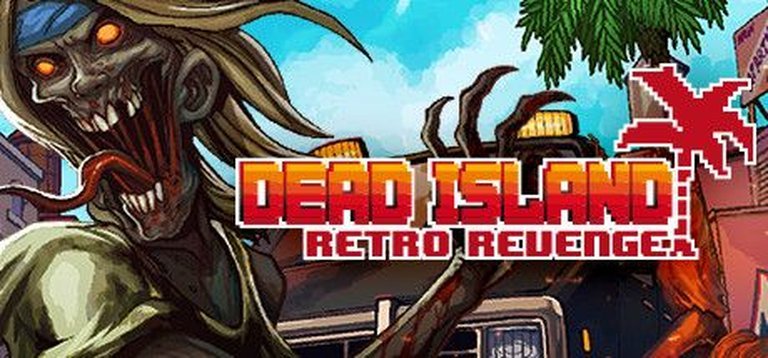
Dead Island: Retro Revenge is a side-scrolling beat ’em up spin-off from the Dead Island series, where protagonist Max ventures into the zombie-infested streets of California during an epidemic to rescue his kidnapped cat, Max Furry. Featuring 24 levels across three themed chapters with 16-bit retro visuals and CRT effects, the game combines auto-running platforming, precise dodging, and combo-heavy brawling using four basic attacks, special moves, and environmental power-ups.
Gameplay Videos
Where to Buy Dead Island: Retro Revenge
PC
Dead Island: Retro Revenge Free Download
Dead Island: Retro Revenge Cracks & Fixes
Dead Island: Retro Revenge Guides & Walkthroughs
Dead Island: Retro Revenge Reviews & Reception
metacritic.com (65/100): Mixed or Average.
hardcoregamer.com : Beating a stage is a lot of fun — even if there isn’t a lot of meat on the game’s bones.
worthplaying.com : standard genre material, but there are enough things that can pull you out of the comfort zone.
techraptor.net (90/100): a kernel of fun gameplay buried in Dead Island Retro Revenge.
steambase.io (61/100): Mixed.
Dead Island: Retro Revenge: Review
Introduction
In the zombie-saturated landscape of 2016 gaming, where hulking first-person slashers like the original Dead Island still lingered in players’ minds as gritty co-op spectacles, Dead Island: Retro Revenge burst onto the scene like a pixelated fever dream from a forgotten arcade cabinet. Developed by indie studio Empty Clip Studios as a cheeky spin-off, this side-scrolling brawler masquerading as an auto-runner promised 16-bit nostalgia amid the undead apocalypse. But beneath its CRT-filtered veneer lies a peculiar hybrid: part Streets of Rage homage, part rhythm-timed zombie masher, all wrapped in a quest to rescue a kidnapped cat. As a game historian, I see Retro Revenge as a bold, if uneven, experiment in retro revival—capturing the quarter-munching essence of ’90s beat-’em-ups while grafting on modern mobile-runner constraints. My thesis: while its brevity and charm make it a delightful $4.99 palate cleanser or Definitive Collection bonus, its mechanical limitations prevent it from transcending niche appeal, cementing it as a quirky footnote in the Dead Island saga rather than a genre-defining revival.
Development History & Context
Dead Island: Retro Revenge emerged from the turbulent waters of the Dead Island franchise, a series born in 2011 from Techland’s visceral open-world zombie melee formula but plagued by delays and spin-offs during Dead Island 2‘s infamous development hell. Yager’s 2014 cancellation of the sequel left publisher Deep Silver (under Koch Media) scrambling, and Retro Revenge originated as a pre-order incentive titled “Dude, Where’s My Cat?”—a nod to the 2000 stoner comedy—featuring protagonist Max, the Jack Black-esque slacker glimpsed in the Dead Island 2 trailer stealing shoes amid LA chaos.
Empty Clip Studios, a small American outfit specializing in ports (A King’s Tale: Final Fantasy XV) and rhythm-arcade titles (Groovin’ Blocks, Symphony), took the reins in 2016. Led by Game Director Cord Smith, with programming by Joel Bouchard-Lamontagne and art from Powerhouse Animation Studios, the team leveraged the RapidFire engine for tight 2D action. Music came from chiptune veteran John Roome (aka Witchman), sound from David Levison and Harmony Machine, and voice-over by Mick Wingert, whose gravelly impersonation amplified Max’s bro-dude persona. Interstitial art by Naeim Khavari and animation by Justine Gordon added hand-drawn flair to cutscenes.
Releasing first on Windows (June 1, 2016) via Steam for $4.99, it hit PS4 and Xbox One in August as a freebie in the Dead Island: Definitive Collection—remasters of the first two games. This bundling was savvy amid a retro boom (Shovel Knight, Cuphead precursors), capitalizing on 16-bit nostalgia during the PS4/Xbox One era’s pixel-art renaissance. Technological constraints mimicked SNES/Genesis limits: fixed lanes for performance, no co-op (despite erroneous listings), and linear levels to fit modest scopes. In a market flooded with zombie MOBAs (Dead Island: Epidemic) and isometric adventures (Escape Dead Island), Retro Revenge carved a lane as an arcade throwback, bridging the franchise’s melee roots with bite-sized mobile influences amid rising endless-runner fatigue.
Narrative & Thematic Deep Dive
Retro Revenge‘s plot is gloriously absurd, distilling the Dead Island series’ B-movie zombie lore into a 20-30 minute cat-rescue romp. Protagonist Max, a trailer-dwelling gamer ignoring California’s outbreak, loses his pet Rick Furry (courtesy of Deep Silver) to bandits in an RV. Bursting out weaponless, Max pursues across 24 levels in three themed chapters—sun-baked streets, eerie forests, urban ruins—battling zombies, corrupt soldiers, and ex-cons. Cutscenes in motion-comic style depict Max’s fury, culminating in a RV showdown and triumphant return home.
Thematically, it’s a love letter to retro machismo: Max embodies the ’90s slacker hero (Jack Black vibes via Wingert’s VO: “Dude, not cool!”), prioritizing feline loyalty over survival in a world of pharmaceutical conspiracies (nodding Dead Island‘s collectible lore, sans canon Escape). Zombies symbolize chaotic distraction, bandits opportunistic scum—mirroring series themes of societal collapse—but filtered through arcade simplicity. No deep lore ties (despite Max’s DI2 cameo potential); it’s pure revenge fantasy, with dialogue like grunted taunts and cat meows adding cheese. Levels unlock sequentially, encouraging replays for stars, but the narrative’s linearity underscores its arcade roots: motivation is primal (save cat), stakes low (three hits to die), themes nostalgic escapism amid apocalypse. Flaws abound—no character arcs, repetitive VO—but its self-aware humor elevates it beyond plotless brawlers.
Gameplay Mechanics & Systems
At its core, Retro Revenge fuses beat-’em-up brutality with auto-run rhythm, creating a high-wire act of timing and risk. Max auto-scrolls rightward across three lanes, dodging projectiles/obstacles while chaining four attacks: high/mid/low punches/kicks, plus rear strikes. Attacks aren’t universal—intestine-zombies block punches, grabby foes counter high kicks—forcing enemy-specific reads amid waves. Dodgeable foes tempt risk-reward: ignore for speed, engage for combos (kicking corpses, launching dogs/heads as projectiles, barrel rolls).
Core loop: survive linear levels (unlocked progressively), rack multipliers (rock-hand icons) via fluid chains for 1-5 stars. Power-ups (swords, health, points) and timed weapons (weedwhacker, sledgehammer, electric machete—one per chapter) spice fights; glowing sequences charge backups. Three specials (player-selected) and rechargeable magic nuke screens—vital against blob swarms. UI is clean: health bar, combo timer, score HUD; CRT toggle enhances retro feel. No XP/trees/crafting—pure arcade purity.
Innovations shine in scoring: perfect-timed strikes (button prompts) boost multipliers, lane-swaps chain environmental kills (barrels, airdrops). Flaws: repetition (enemy patterns memorize post-stage 2), frustration (finicky collisions, no jumps/retreat), limited depth (no co-op, three hits/life restarts levels). Modes: Marathon (endless chaining), Survivor (one-life endurance). Controls excel on gamepad/keyboard—responsive, skill ceiling high for leaderboard chasers—but runner restrictions alienate traditional brawler fans, evoking One Finger Death Punch more than Final Fight. Exhausting yet addictive, it demands mastery over mashing.
World-Building, Art & Sound
California’s zombie hellscape pulses with ’90s arcade grit: 24 seamless levels span beaches, highways, woods, cities—linear but thematically distinct chapters build dread. Environments bustle—gib-splattered streets, foggy forests—but repetition (recycled assets) dulls immersion. No open-world; it’s a conveyor-belt slaughterhouse, foes spawning predictably from right (rarely left).
Art nails 16-bit homage: Powerhouse’s sprites burst color (bright palettes defy zombie gloom, evoking Cali sun), fluid animations (gory decapitations, gib explosions) exceed era limits. Screens fill with hordes sans slowdown; CRT filter/scanlines immerse like unearthed SNES cart. Cutscenes’ hand-drawn style clashes charmingly.
Sound elevates: Witchman’s chiptune score—pulsing synth-rock—loops enjoyably, evoking Streets of Rage. FMOD-powered FX (crunchy punches, wet gibs) amp viscera; Wingert’s bro-voiced quips (“Time for some retro revenge!”) add personality, though repetitive. Overall, sensory assault crafts addictive chaos—visuals/sounds synergize for nostalgic highs, atmosphere a bloody pixel symphony.
Reception & Legacy
Launch reception was mixed: MobyGames 6.3/10 (critics 62%, players 2.2/5), Metacritic 65 (“Mixed”), Steam 61% (“Mixed” from 691 reviews). PS4 topped at #1,296. Praises: Game Rant/Worth Playing/We Got This Covered (70%) lauded value (“3-5 hours enjoyably,” “polished replayability”), retro vibe, gore overload. Critiques dominated: Darkstation/4Players (60/59%) slammed runner mechanics (“kills fun,” “frustrating memorization, collision jitters”); MAN!AC (45%) called it “semi-spaßig, repetitiv”; TechRaptor/Hardcore Gamer (4.5/60) noted lack of depth (“not quite a beat ’em up”).
Commercially, bundling drove adoption (71 MobyGames collectors), but standalone fizzled—niche amid Streets of Rage 4 precursors. Legacy: minor Dead Island bridge to DI2 (2023), influencing no major titles but epitomizing spin-off ephemera. Revived interest in hybrid runners (Kung Fury: Street Rage FX), its cat-rescue meme endures in fandom. Evolved rep: cult curiosity for retro-zombie fans, undervalued at impulse price.
Conclusion
Dead Island: Retro Revenge is a pixelated guilty pleasure—flawed fusion of brawler bliss and runner rigidity, redeemed by tight controls, gory charm, and absurd heart. Empty Clip’s retro gamble captures arcade highs (combos, multipliers) but stumbles on repetition and restrictions, dooming it to bonus status over standalone stardom. In gaming history, it slots as a transitional curio: Dead Island‘s lightest entry, bridging 2011 melee epics to 2023 sequels while nodding ’90s icons. Verdict: Recommended for Definitive owners or $5 binges—buy for nostalgia, skip for depth. A retro revenge worth its quarters, but no genre revolution. 7/10