
- Release Year: 2019
- Platforms: Android, iPad, iPhone, Nintendo Switch, PlayStation 4, Windows, Xbox One, Xbox Series
- Publisher: EpiXR Games UG, Euphoria Horror Games
- Developer: Euphoria Horror Games
- Genre: Adventure
- Perspective: 1st-person
- Game Mode: Single-player
- Gameplay: Puzzle elements, Survival horror
- Setting: Fantasy
- Average Score: 80/100
Description
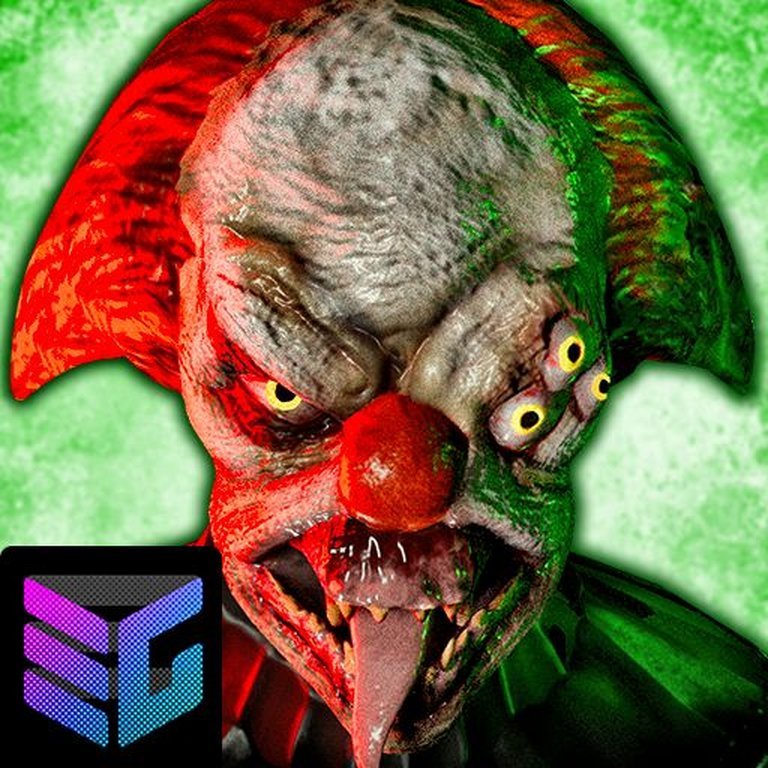
Death Park is a first-person survival horror adventure game set in a decrepit Amusement Park of Doom, where players explore blood-drenched areas, solve puzzles, collect items, and uncover the park’s dark story while evading a relentless Monster Clown with extra eyes and sharp teeth that stalks the grounds, leading to multiple endings based on player choices.
Gameplay Videos
Where to Buy Death Park
PC
Death Park Reviews & Reception
games.lol (89/100): the developers were able to make the game scarier and spookier than most survival-horror games in the genre.
steambase.io (83/100): Very Positive
metacritic.com : Death Park is jank horror, but it’s a decent experience; a fun little experience that has arrived just in time for spooky season.
opencritic.com (69/100): In this horror game you will explore a huge abandoned amusement park with a creepy circus.
Death Park: Review
Introduction
Imagine stumbling into a once-joyous amusement park, now a labyrinth of rusting Ferris wheels, blood-drenched walls, and echoing laughter twisted into malice—welcome to Death Park, where childhood nostalgia curdles into nightmare fuel. Released in 2019 by Russian indie studio Euphoria Horror Games, this survival horror gem traps players in a first-person gauntlet of evasion, puzzles, and dread, helmed by a monstrous clown straight out of coulrophobia’s darkest fantasies. As a professional game journalist and historian, I’ve dissected countless horrors from Resident Evil to Outlast, but Death Park stands out as a lean, mean testament to indie ingenuity. Its legacy? A breakout mobile-to-multiplatform hit that rode the wave of post-IT clown mania, proving that modest budgets can birth pulse-pounding terror. My thesis: Death Park isn’t just a spooky jaunt; it’s a masterclass in atmospheric restraint, replayable narrative depth, and tense survival design that elevates it from niche curiosity to a pivotal entry in the modern indie horror renaissance.
Development History & Context
Euphoria Horror Games, a small Russian outfit making their debut with Death Park, poured raw passion into this Unity-powered title amid the 2019 indie horror explosion. Launched first on Android on September 5, 2019—followed swiftly by iOS, PC via Steam (November 26), and console ports in 2021-2022 (PS4, Xbox One/Series, Switch)—it arrived in a landscape dominated by mobile micro-horrors like Granny and Evil Nun. These games popularized asymmetric cat-and-mouse chases with invincible pursuers, a formula Euphoria refined with a theme park twist, timed perfectly with IT Chapter Two‘s theatrical run, capitalizing on Pennywise-inspired fears.
Technological constraints were evident: built on Unity for cross-platform ease, it targeted touchscreens initially, with direct control interfaces optimized for mobile. The studio’s vision, as hinted in their Steam blurb (“This is our first game… leave feedback!”), was bootstrapped ambition—hardcore puzzles, a vast map, and multiple endings on a shoestring budget. Publishers like EpiXR Games UG handled console expansions, smoothing ports despite jank (e.g., occasional clunky animations). In the broader 2019 gaming scene, amid AAA blockbusters like Death Stranding, Death Park embodied the democratization of horror via Steam and app stores, echoing early Slender or Amnesia but with mobile accessibility. Its PEGI 12 rating belied mature themes, positioning it as “safe” scares for broader audiences, while sequel Death Park II (2020) and a 2025 4K Remaster signal enduring viability.
Narrative & Thematic Deep Dive
Death Park‘s story unfolds as a dreamscape nightmare: a young boy, comatose in reality, awakens in a derelict amusement park ruled by a three-eyed, sharp-toothed Monster Clown. TV Tropes reveals it’s Charlie’s Dream Land bleeding into Another Dimension, with the good ending depicting his awakening—tying survival to subconscious escape. Multiple endings (expanded in the sequel to eight) hinge on choices: collectibles, puzzle solutions, and evasion tactics yield cutscenes unveiling the clown’s realm as a vengeful otherworld, possibly motivated by fraternal loss (per Death Park 2 prologue).
Plot Breakdown: You start hiding under a bed, glimpsing the clown’s patrol, then key-hunt your way into seven explorable zones—abandoned buildings, blood-soaked basements, mazes, and a creepy circus. Narrative drips via environmental storytelling: meat moss walls, locked doors (half impassable for tension), and flickering lights signaling pursuit. Dialogue is sparse—mostly ambient whispers and clownish cackles—but impactful, with endings fragmenting the lore like shattered mirrors.
Characters: The silent protagonist is a blank canvas, amplifying personal terror. The clown, with extra eyes and superhuman hearing, embodies coulrophobia: relentless, teleporting, one-hit-kill menace. Themes probe dream logic vs. reality (Blackout Basement tunnels evoke subconscious voids), isolation in joy-turned-doom spaces (Amusement Park of Doom), and consequence—your “nice job breaking it, hero” mirrors military experiments leaking evil in sequels.
Thematic Depth: Psychoanalytic undertones (coma-dream as guilt manifestation) blend with body horror (flesh-covered depths). Multiple playthroughs reward piecing the puzzle: is the clown protector or predator? This branching structure, rare in budget horrors, fosters replayability, critiquing passive entertainment (park as metaphor for escapist traps).
Gameplay Mechanics & Systems
At its core, Death Park loops exploration-puzzle-evasion in a hide-and-seek survival horror framework. First-person direct control shines on PC/consoles (smooth WASD/mouse), with touch adaptations for mobile. No combat progression— you’re prey—but tools balance the scales: Fireworks stun the clown for 10 seconds, Shield freezes for 5. Main-menu de-buffs (reduced hearing/vision) add accessibility without cheapening tension.
Core Loops:
– Exploration: Vast map (7 locations) with Broken Bridges, Locked Doors, and item hunts. Flashlight yields tunnel vision in pitch-black zones.
– Puzzles: “Hardcore” variety—levers for spike traps (Puzzle Boss finale cages the clown via chase lures), keycodes, mazes. Intuitive yet punishing, demanding observation.
– Stealth/Evasion: Noise-sensitive AI; hide in cupboards (heartbeat soundtrack ramps dread), beds. Lights flicker as warnings; clown pops unpredictably.
– Progression/UI: Minimal HUD (inventory radial?), collectibles unlock endings. Replay value via debuffs, no permadeath beyond Game Overs.
Flaws: Jank (clipping, unresponsive mobile controls per ports), but innovations like purchasable handicaps democratize difficulty. Compared to Granny‘s randomness, Death Park‘s signals (lights, sounds) craft fair chases. Boss: Arena lure into spiked cage—pure adrenaline.
World-Building, Art & Sound
The eponymous Death Park is a decayed fantasyland: candy-striped tents ooze blood, carousels creak eternally, lower levels pulse with Meat Moss. Seven zones build verticality—surface ruins to fleshy underbelly—fostering isolation. Visuals, indie-modest (Unity realism), excel via lighting/shadows: rusty rides haunt peripheries, fog-shrouded mazes disorient.
Art Direction: Oppressive palette (crimson drips, desaturated grays) twists nostalgia; clown’s design—three left-side eyes, Scary Teeth grin—is viscerally iconic, evoking Pennywise without aping.
Sound Design: Masterful immersion—creaking floors, distant screams, clown footsteps thunder. Heartbeat pulses in hides; eerie BGM swells chases. Realistic audio (whispers, fireworks pops) synergizes with visuals for psychological horror over jumpscares, though effective ones punctuate (sudden spawns). Together, they forge nightmarish atmosphere, belying budget—every creak screams “you’re not alone.”
Reception & Legacy
Launch reception was fervent grassroots: 5M+ mobile downloads, 4.47/5 average; Steam “Very Positive” (83/100 from 180+ reviews, holding steady). Consoles mixed-positive (TheXboxHub 70/100: “jank but fun for Halloween”; Generación Xbox 69/100). No Metacritic aggregate initially, MobyGames n/a, but player buzz (CoryxKenshin playthroughs) propelled it. Critiques: technical hiccups, repetitive loops; praises: scares, value ($3.59-$5.99).
Legacy endures: Spawned Death Park II (actionized sequel with guns, interdimensional rifle), 2025 4K Remaster. Influenced indie horrors (The Backrooms: 1998, clown chases in Trenches). In history, it exemplifies mobile horror’s console migration, bridging Slender-era web horrors to polished indies, boosting coulrophobia subgenre amid IT hype. Cult status grows via YouTubers, cementing Euphoria’s rep (cf. Antarctica 88).
Conclusion
Death Park distills survival horror to its essence: a clown-haunted park where every shadow hunts, puzzles gatekeep escape, and endings reward diligence. Euphoria’s debut triumphs over constraints, blending responsive controls, replayable depth, and sensory dread into 2-4 hour bursts of terror. Flaws like jank pale against its thrills—it’s not Resident Evil, but for $5, it’s peerless spooky-season fodder. Verdict: Essential indie horror, securing a niche in history as the clown that keeps on killing. Score: 8.5/10—play with lights off, if you dare.