
- Release Year: 2021
- Platforms: iPad, iPhone, Macintosh, PlayStation 5, Windows Apps, Windows, Xbox Series
- Publisher: 505 Games S.p.A., Sony Interactive Entertainment America LLC
- Developer: Kojima Productions Co., Ltd.
- Genre: Action
- Perspective: Behind view
- Game Mode: Single-player
- Gameplay: Base building, Combat, Crafting, Delivery, Open World, Sandbox, Stealth, Traversal
- Setting: Futuristic, North America, Post-apocalyptic, Sci-fi
- Average Score: 85/100
Description
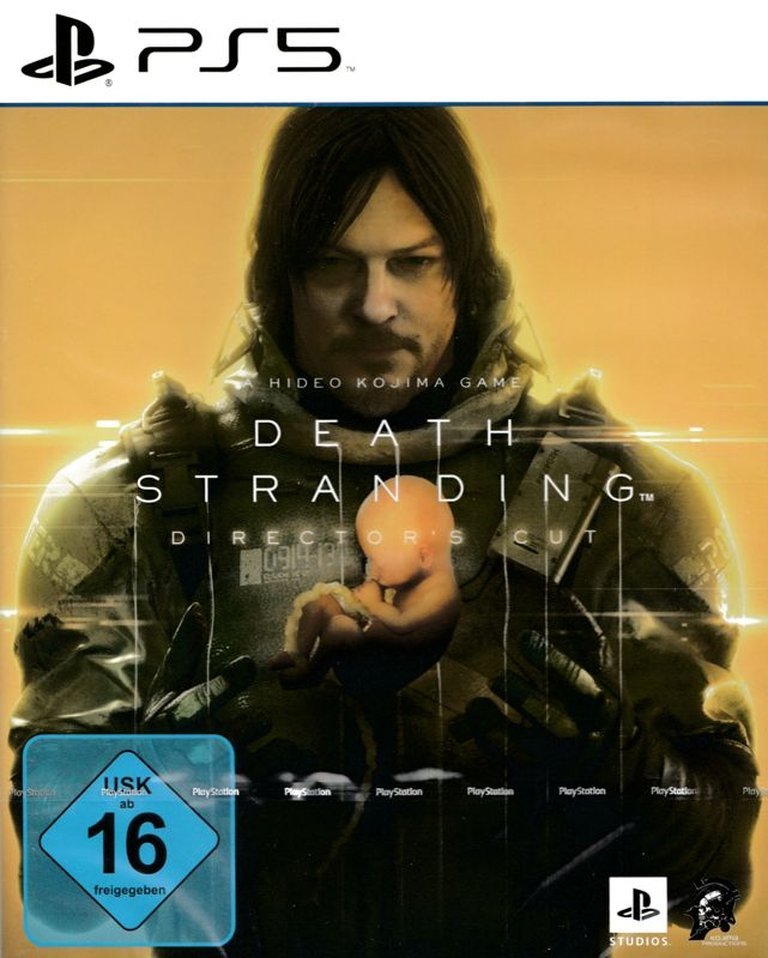
Death Stranding: Director’s Cut is a single-player action-adventure game set in a fractured, post-apocalyptic United States ravaged by supernatural phenomena, where protagonist Sam Porter Bridges, a courier, braves dangerous BT creatures, environmental hazards, and hostile factions to deliver supplies, rebuild infrastructure, and reconnect isolated settlements through perilous traversal and asynchronous online features.
Gameplay Videos
Where to Buy Death Stranding: Director’s Cut
PC
Death Stranding: Director’s Cut Free Download
Death Stranding: Director’s Cut Cracks & Fixes
Death Stranding: Director’s Cut Mods
Death Stranding: Director’s Cut Guides & Walkthroughs
Death Stranding: Director’s Cut Reviews & Reception
ign.com : makes the Director’s Cut feel somewhat… compromised.
opencritic.com (86/100): is ranked in the 95th percentile of games scored on OpenCritic.
metacritic.com (85/100): Generally Favorable.
gamespot.com : While the new features and missions are nice, the world around us has made Death Stranding better.
techradar.com : a wonderfully ambitious sci-fi adventure […] distinctly unique and memorable game.
Death Stranding: Director’s Cut: Review
Introduction
Imagine trudging through a rain-slicked wasteland where every raindrop ages your gear to dust, invisible specters lurk in the fog, and your backpack’s precarious balance could spell disaster—yet somehow, this Sisyphean slog becomes a profound meditation on human connection. Death Stranding: Director’s Cut is Hideo Kojima’s audacious reinvention of the action-adventure genre, transforming the 2019 original into the definitive edition of his “strand game.” Building on its polarizing launch as Kojima Productions’ post-Konami debut, this version polishes traversal, expands content, and amplifies its asynchronous multiplayer magic. My thesis: This isn’t just a game; it’s a cinematic symphony of isolation and unity, flawed yet visionary, cementing Kojima’s legacy as gaming’s ultimate auteur and earning its place among the medium’s most influential works.
Development History & Context
Kojima Productions emerged from the ashes of Hideo Kojima’s bitter split from Konami in 2015, reforming as an independent studio with Sony Interactive Entertainment’s backing. Death Stranding marked Kojima’s first project unshackled from corporate meddling, announced at E3 2016 with a cryptic teaser featuring Norman Reedus’ likeness—reviving their collaboration from the canceled P.T.. Development ramped up in 2017, leveraging Guerrilla Games’ Decima engine (from Horizon Zero Dawn), gifted via source code in a symbolic box that Kojima called a “strand” of collaboration.
The PS5 Director’s Cut (September 24, 2021) arrived amid next-gen fervor, optimizing for DualSense haptics, 4K/60fps, and ray-tracing. Technological constraints of the PS4 era—load times, clunky controls—were era-defining hurdles, but Decima’s prowess enabled live-rendered cutscenes blending seamlessly with gameplay. The 2019 gaming landscape was saturated with live-service shooters (Call of Duty: Modern Warfare, Apex Legends) and open-world checklists (Assassin’s Creed Odyssey), making Kojima’s courier sim a radical rebuke. Ports followed: Windows (2022), macOS/iOS (2024), Xbox Series X/S (2024). With 1,777 credits, Yoji Shinkawa’s art direction, and a star-studded cast (Mads Mikkelsen, Léa Seydoux, Troy Baker), it embodied Kojima’s cinematic vision—influenced by his parents’ deaths and Kōbō Abe’s “sticks and ropes” philosophy—forged in a post-Metal Gear world craving bold narratives.
Narrative & Thematic Deep Dive
Plot Summary and Twists
In a post-apocalyptic UCA (United Cities of America), the titular Death Stranding—a cataclysm merging life and death—unleashes BTs (Beached Things), voidout explosions, and Timefall rain that accelerates decay. Sam Porter Bridges (Reedus), a repatriate (one who returns from death via the Seam) with DOOMS (supernatural sensitivity), is coerced by adoptive mother/president Bridget Strand (Lindsay Wagner) into expanding the Chiral Network: a Beach-harnessing internet reconnecting isolated Knot Cities.
Sam’s odyssey west uncovers horrors: his BB pod companion “Lou” (a Bridge Baby sensing BTs), rival porter Fragile (Seydoux), twins Mama/Lockne (Margaret Qualley), Heartman (Nicolas Winding Refn’s likeness), and Deadman (Guillermo del Toro’s model). Antagonists include cargo-obsessed MULEs and Homo Demens terrorists led by Higgs (Baker), a DOOMS-afflicted nihilist. Flashbacks reveal Sam’s origins as Cliff Unger’s (Mikkelsen) son, transformed into a BB by Bridget/Amelie (Wagner/Emily O’Brien)—revealed as the same extinction entity destined for the Last Stranding.
The finale’s emotional gut-punch: Sam rejects Amelie’s humane apocalypse, saves Lou (revealed female), and goes off-grid, embodying rejection of isolation.
Characters and Dialogue
Kojima’s script—written with Kenji Yano and Shuyo Murata—is verbose, philosophical, blending cosmic horror, family trauma, and anti-natalism. Sam’s taciturn everyman contrasts verbose allies: Deadman’s quips ground exposition, Heartman’s 21-minute heart cycles add pathos, Mama’s incestuous trauma (tethered to her beached baby) humanizes grief. Villains shine—Mikkelsen’s balletic Cliff evokes paternal loss, Baker’s bombastic Higgs delivers monologues laced with Shakespearean flair. Dialogue, once criticized as bloated, rewards patience, with player-agency “likes” mirroring social media’s hollow affirmation.
Themes: Strands of Connection
Kojima weaves extinction cycles, repatriation’s burden, and connection’s fragility. The “strand” motif—ropes vs. sticks—critiques division (walls, isolation) amid pandemic-like prescience (delivery amid plague). Queerness and asexuality evolve thoughtfully in the Cut (revised logs decry discriminatory views). It’s existential: Sam’s journey isn’t conquest but persistence, echoing Camus’ absurd hero in a voidout-ravaged world.
Gameplay Mechanics & Systems
Core Loops: Traversal and Delivery
At heart, an “inventory management game” per critics, traversal demands balance: overload Sam, and he’ll stumble; Timefall erodes cargo. Strategic packing, exoskeletons (speed/power/all-terrain), vehicles, and tools (ziplines, bridges) reward planning. The Cut adds cargo catapults, support skeletons, and buddy bots, easing early-game tedium while preserving friction.
Combat and Progression
Secondary but tense: Stealth BTs (odradek scanner reveals them), non-lethal MULE takedowns, boss set-pieces. Guns craft from chiralium; voidouts punish lethality. Progression ties to “likes”—client feedback boosts stats, unlocks gear, raises settlement stars. Async multiplayer shines: shared roads/structures foster indirect cooperation; retrieve others’ lost cargo for rewards.
UI, Innovations, and Flaws
UI streamlines (private lockers, map holograms), but interactions lag. Cut’s firing range, racing track, and melee upgrades add replayability. Flaws persist: vehicle physics feel floaty, bosses mediocre post-familiarity, early hours repetitive. Yet innovations—persistent world changes, BB bonding (rocking the pod)—elevate it beyond fetch-quests.
| Mechanic | Original | Director’s Cut Enhancements |
|---|---|---|
| Traversal | Basic exos, vehicles | Cargo catapult, stabilizer, buddy bot |
| Combat | Non-lethal focus | Maser gun, firing range, melee combos |
| Building | Roads, bridges | Expanded tools, racing track |
| QoL | Load times | PS5 haptics, fast travel, replay missions |
World-Building, Art & Sound
The fractured North America—snowy peaks, tar-black rivers, grassy plains—is a post-apocalyptic canvas, Decima’s fidelity rendering Timefall’s crystalline decay. Shinkawa’s mechs and BTs evoke biomechanical horror; live cutscenes ensure visual continuity. Atmosphere builds dread: BT tar-fog chokes visibility, MULE scanners hum paranoia.
Sound design is masterful—Wwise engine delivers Division-esque UI beeps, Low Roar’s haunting acoustics (Kojima: “Without [them], DS wouldn’t exist”), Ludvig Forssell’s score swells traversal. DualSense rain patter and pod throbs immerse; trailers’ licensed tracks (Silent Poets, Apocalyptica) set tone. Elements synergize: sound cues BTs, visuals telegraph terrain, fostering solitude pierced by multiplayer “strands.”
Reception & Legacy
Critical and Commercial
Original: Metacritic 82 (PS4), polarizing—”walking sim” (Polygon) vs. “masterpiece” (Famitsu 40/40). Director’s Cut: 89% critics (MobyGames), 8.7 MobyScore; PS5 #29 ranked. Praise for story, visuals, DualSense; gripes on pacing (IGN 6.8 original). Sales: 5M+ PS4/PC by 2021, 20M+ players by 2025. Review-bombed initially, but evolved via word-of-mouth.
Player highs: “CHILL as hell” (sleepykerr), unique immersion. Lows: UI tedium, female portrayals.
Influence
Prescient amid COVID—deliveries, isolation—spawned parodies (Walking Simulator). Awards: TGA Best Direction/Score/Performance (Mikkelsen); DICE Audio/Tech. Spawned sequel (DS2: On the Beach, 2025), film/TV adaptations. Redefined “strand games,” inspiring async co-op (Forza Horizon), traversal focus (Outer Wilds). Kojima reclaimed IP (2024), ensuring unhinged evolution.
Conclusion
Death Stranding: Director’s Cut distills Kojima’s obsessions—cinema, connection, absurdity—into a grueling yet transcendent hike. Its flaws (repetition, verbosity) are features, forging adversity’s worth. Exhaustive additions make it the ultimate strand: refined, expansive, essential. Verdict: A landmark in video game history, 9.5/10—not for all, but immortal for those who connect. Play it; tomorrow is in your hands.