
- Release Year: 2015
- Platforms: Blacknut, Linux, Macintosh, Windows, Xbox One
- Publisher: Daedalic Entertainment GmbH
- Developer: Shining Gate Software
- Genre: Adventure
- Perspective: 1st-person
- Game Mode: Single-player
- Gameplay: Graphic adventure, Puzzle elements
- Setting: Horror
- Average Score: 65/100
Description
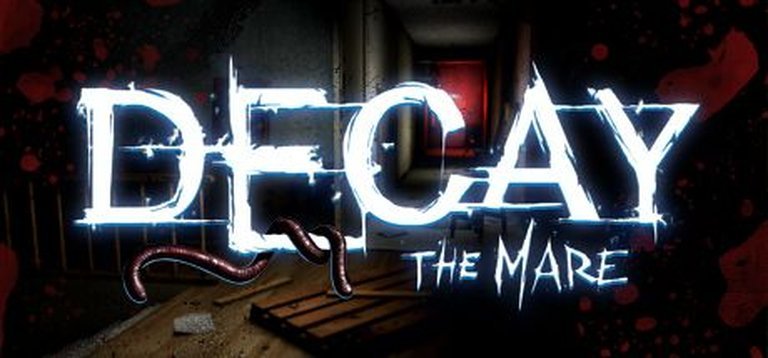
Decay: The Mare is a point-and-click adventure game blending psychological horror, where players control Sam, a drug addict who checks into the Resting Dreams institution to rebuild his life, only for a catastrophic event to trap him in an endless nightmare filled with static pre-rendered scenes and intricate puzzles involving item collection and use.
Gameplay Videos
Where to Buy Decay: The Mare
PC
Decay: The Mare Free Download
Decay: The Mare Cracks & Fixes
Decay: The Mare Guides & Walkthroughs
Decay: The Mare Reviews & Reception
metacritic.com (60/100): Even if it does not quite succeed as an adventure game, its great atmosphere and music is more than enough reason to give it a chance.
operationrainfall.com : Some of the puzzles in Decay can be overly unclear, and you might solve them more by dumb luck than through actually figuring stuff out.
steambase.io (76/100): Mostly Positive
howlongtobeat.com (60/100): Creepy as hell story game experience
Decay: The Mare: Review
Introduction
Imagine stumbling into a decrepit asylum where the walls bleed secrets, time warps like a fever dream, and every shadow whispers accusations from your fractured psyche. Decay: The Mare (2015), from indie Swedish studio Shining Gate Software, plunges players into this nightmarish abyss as Sam, a tormented drug addict trapped in an endless hallucination after checking into the ominously named Reaching Dreams institution. Originally episodic on mobile and Xbox 360, this compilation—bolstered by an exclusive third chapter—revives the golden era of fixed-screen horror adventures like Resident Evil‘s early fixed-camera dread and Silent Hill‘s psychological unraveling. Its legacy endures as a cult budget gem on Steam, lauded for atmospheric chills despite modest ambitions. Thesis: While Decay: The Mare masterfully evokes classic survival horror through tense puzzles and surreal dread, its brevity, navigational quirks, and reliance on tropes prevent it from transcending into timeless greatness, cementing it as a solid, if flawed, homage worth revisiting for genre enthusiasts.
Development History & Context
Shining Gate Software, a small Stockholm-based indie outfit, birthed Decay: The Mare amid the mid-2010s indie horror boom, where Unity-powered titles like Amnesia: The Dark Descent democratized dread on PC after mobile origins. Led by proprietor and creative director Fredrik Westlund—who contributed as developer alongside artist/composer Johannes Rae—the team drew from their Battlefield credentials at DICE/EA, channeling high-fidelity tension into low-poly constraints. Publisher Daedalic Entertainment, known for point-and-clicks like Deponia, handled the 2015 PC port (Steam App ID 323720), bundling Episodes 1 and 2 (previously on Android, Xbox 360, Windows Phone) with a new Episode 3, alongside Linux/Mac and 2017 Xbox One releases.
The era’s gaming landscape favored bite-sized horrors post-Slender‘s viral success, with Steam’s accessibility flooding markets with psychological indies. Technological limits—static pre-rendered scenes, flip-screen navigation—echoed 90s FMV classics (Phantasmagoria, The 11th Hour, Gabriel Knight), sidestepping modern 3D bloat for deliberate pacing. Budget constraints shone through in 46 credits (mostly Shining Gate core), Unity engine efficiency, and multilingual support (English, French, Italian, German, etc.). Released February 13, 2015—Friday the 13th for ironic flair—it retailed at $4.99, embodying indie’s ethos: potent ideas over polish. This context birthed a “homage” explicitly nodding to Resident Evil and Silent Hill, thriving in an oversaturated market by prioritizing mind-bending puzzles over action.
Narrative & Thematic Deep Dive
Plot Synopsis and Structure
Decay: The Mare unfolds across three compact episodes, chronicling Sam’s descent from hopeful rehab patient to nightmare prisoner. Episode 1 kicks off in Sam’s locked room at Reaching Dreams; ingesting mandated pills triggers a hallucinatory spiral through crumbling corridors, blinking-eyed boxes, and a pulsating bloody bag that chillingly claims, “Your new best friend.” Puzzles unlock warped realms—mazes guided by arrow notes, clocks defying time (“Time is an illusion”)—culminating in a viewing window slide for “Decay Master 1.”
Episode 2 escalates with industrial underbelly exploration: ladders, keypads (codes like 6044 from ghostly paintings), hidden camera-revealed texts (“I tried to escape, the pills are making me mad”), and a pitch-black room navigated by flash. Encounters peak with “Jack’s head” in a fridge—talking, demanding teddy bear torture via nails—before plate superimposition puzzles and “Jack’s Body.”
Episode 3 weaves revelations: Rafael’s cell confessions, “Tory was here” graffiti, VHS zombies, and skull-eyed digs yielding the finale’s choice—keys alone (Bad Ending) or knife-assisted (Good Ending) for “Decay Master 3.” Coins (5/10/10 per episode) unlock maps/extras, tying collection to lore.
Characters and Dialogue
Sam is a cipher, his voiceless introspection mirroring addiction’s void. Supporting cast—mysteries like the bag (revealed as gore-hand horror), Jack (decapitated victim), Rafael (confessing penitent), Tory (murderous specter)—emerge via terse interactions: “No, I’m not your mother,” or bag taunts probing maternal guilt. Dialogue, sparse and subtitle-driven, amplifies isolation; newspaper clippings and notes flesh backstory of institutional horrors, blending real crimes with Sam’s psyche.
Themes: Addiction, Reality, and Guilt
At its core, Decay dissects addiction as self-imprisonment: pills warp reality, echoing Sam’s habit. Psychological horror blurs dream/nightmare—pre-rendered decay symbolizes mental rot, with motifs like butterflies (transformation?), eyes (surveillance/paranoia), and clocks (inescapable time). Guilt manifests in maternal denial, vengeful spirits (Tory’s rage), and endings punishing/ redeeming choices. Influences from Silent Hill‘s personal demons elevate clichés into a tragic cycle of regret, though vagueness risks pretension—pseudo-philosophical coda feels tacked-on, per critics.
Gameplay Mechanics & Systems
Decay is pure point-and-click graphic adventure: first-person, fixed/flip-screen navigation via arrows, inventory (I key), hints (H/? icon, often vague: “Search more”). Core loop—explore static scenes, collect/use items, solve riddles—spans 2-4 hours total, with 42 Steam achievements (e.g., Coin Collector 1/2/3, The Blinking Eyes).
Core Loops and Puzzles
- Item Collection/Combination: Hammers from blocks/handles shatter walls; knives from blades/handles exhume truths; monocles reveal rotated codes (1686→9891).
- Code/Sequence Puzzles: Blinking paintings, distances (9-6-1-5 on dials), button orders (1-3-2-5-4-6), clock hands (3:7:9), shapes (triangle-star-moon-triangle).
- Innovative Twists: Camera flashes hidden texts/visibility; drawings (flower+arrow/eye/fire/water) unlock paths; superimposed plates; color-coded balls (gray-green-red-yellow).
- Exploration/Backtracking: Mazes via notes, repetitive door-hopping collapses tables (Broken Table).
UI/Controls: Intuitive mouse-point-select, but disorienting resets (e.g., entering rooms facing wrong way) frustrate, per reviews. No combat; tension from scarcity, jump scares (chair visions, bag fingers). Progression: coins/maps reward thoroughness; multiple endings add replay. Flaws—nonsensical links (drawings magically light rooms), luck-based solves—temper innovation, evoking Myst-like trial-error over logic.
World-Building, Art & Sound
The Reaching Dreams asylum is a labyrinthine nightmare-scape: pre-rendered 3D stills depict peeling wallpaper, blood-smeared floors, flickering lights, and illogical architecture (endless stairs, brick-blocked paths). Decay motif permeates—rusty doors, cluttered furniture, gore (heads, bodies)—crafting claustrophobic immersion. Visual direction: film-grain blur enhances unreality, low-res grit nods 90s aesthetics; colors desaturate to sickly greens/reds, with surreal flourishes (painted clocks, blinking portraits).
Atmosphere Contribution: Flip-screen builds paranoia—each click risks horror. Visions (chairs materializing), mazes, black voids amplify isolation.
Sound Design: Johannes Rae’s ambient synths/drone (praised in reviews) evoke hopelessness—somber piano intros, echoing drips, guttural bag moans. SFX (creaks, heartbeats) punctuate tension; no full voice acting (save clippings) heightens detachment. Music’s “darkness and hopelessness” (Operation Rainfall) synergizes with visuals, making mundane navigation unnerving.
Reception & Legacy
Launch reception was mixed: MobyGames averages 47% critics (Adventure Gamers 60%: “impressive flourishes”; Game Hoard 29%: “dull trek, cheap scares”); players 2.5/5. Steam: Mostly Positive (76% of 1,579 reviews), Metacritic 60—”qualified success” for atmosphere/puzzles, dinged for shortness/confusion. Positives: “Brilliantly paced terror” (Gameindustry, 4/5), “great story/sounds” (GameCritic, 9/10). Negatives: “Clichéd, backtracking hell” (Garage Band Gamers, 50%), “dated navigation” (users).
Commercially modest (71 MobyGames collectors), it endures via sales ($0.49 bundles), 42 achievements, trading cards. Legacy: Bolstered Decay series (prequels on mobile); influenced micro-horrors (Year Walk). No direct successors, but embodies indie’s horror revival—affordable chills for Silent Hill fans. Evolved rep: Steam’s 76% reflects cult appeal, guides/walkthroughs aiding accessibility.
Conclusion
Decay: The Mare distills psychological horror into a taut, puzzle-laden package: Sam’s nightmare odyssey grips via atmospheric mastery, logical riddles, and thematic depth on addiction’s abyss, all for pocket change. Yet, its slideshow tedium, puzzle opacity, and episodic brevity hobble ambition, rendering it a nostalgic echo rather than innovator. In video game history, it claims a niche as Shining Gate’s indie triumph—a flawed tribute to 90s icons, ideal for short scares but no pantheon staple. Verdict: 7/10 – Recommended for horror completists; play on a dark night, guide handy, for effective unease.