
- Release Year: 2021
- Platforms: Nintendo Switch, PlayStation 4, Windows Apps, Windows, Xbox One, Xbox Series
- Publisher: Chibig, S.L.U.
- Developer: Chibig, S.L.U.
- Genre: Simulation
- Perspective: Behind view
- Game Mode: Single-player
- Gameplay: Crafting, Farming, Resource Management
- Setting: Fantasy, Planet
- Average Score: 61/100
Description
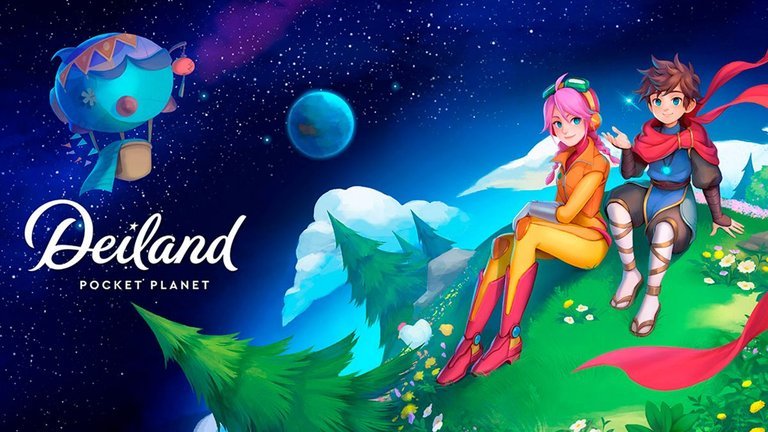
Deiland: Pocket Planet is a charming farming simulation game set on a tiny, self-contained planet where players take on the role of a young prince tasked with nurturing and expanding their miniature world. The game blends farming, crafting, and exploration as players grow crops, raise animals, and interact with quirky visitors who arrive via spaceship. With a relaxed pace and whimsical art style, the game offers a cozy experience, though its slow progression and limited early-game content may test some players’ patience. As the planet evolves, new challenges and opportunities unfold, making it a delightful, if somewhat niche, addition to the farming-sim genre.
Gameplay Videos
Where to Buy Deiland: Pocket Planet
Deiland: Pocket Planet Free Download
Deiland: Pocket Planet Patches & Updates
Deiland: Pocket Planet Guides & Walkthroughs
Deiland: Pocket Planet Reviews & Reception
thirdcoastreview.com : Deiland: Pocket Planet leans towards frustrating instead of chill more often than not.
metacritic.com (61/100): Deiland: Pocket Planet Edition is a charming experience, at least at the beginning.
saveorquit.com : A ‘relaxing experience’ that winds up frustrating.
nintendolife.com : Deiland: Pocket Planet Edition slowly drip-feeds you the plot of the game as you eke out a mostly-solitary existence on your pocket planet.
Deiland: Pocket Planet Cheats & Codes
PC
Use PLITCH software to activate cheats.
| Code | Effect |
|---|---|
| Easy XP +1000 | Increases experience points by 1000 |
| Set Movement-Speed (default = 5) | Adjusts player movement speed |
| Godmode | Invincibility |
| Unlimited Energy | Infinite energy |
| No hunger | Disables hunger mechanic |
| Restore Health | Fully restores health |
| Refill Energy | Fully restores energy |
| Refill hunger | Fully restores hunger |
| Low health | Reduces health to a low level |
| Low Energy | Reduces energy to a low level |
| Hungry | Induces hunger state |
| Invisible: ON | Makes player invisible |
| Invisible: OFF | Disables invisibility |
Deiland: Pocket Planet: A Tiny World with Big Ambitions and Flawed Execution
Introduction
Deiland: Pocket Planet is a charming yet deeply flawed farming simulation RPG that attempts to carve out its own niche in a genre dominated by titans like Stardew Valley and Animal Crossing. Developed by Chibig Studios, this game presents players with a unique premise: managing a tiny, spherical planet where every action—from farming to combat—is constrained by the limited space and resources of a world small enough to traverse in under a minute. While the game’s aesthetic and conceptual ambition are undeniably appealing, its execution is marred by repetitive gameplay loops, frustrating mechanics, and a lack of depth that ultimately undermines its potential.
At its core, Deiland: Pocket Planet is a game about survival, growth, and discovery. Players take on the role of Arco, a young boy who awakens on the eponymous pocket planet with no memory of his past. Guided by a cast of eccentric visitors—ranging from a space ranger named Mun to a wizard and a pirate—Arco must cultivate his planet, defend it from monsters, and unravel the mysteries hidden within its heart. The game’s narrative is slow-burning, with plot developments tied to the completion of quests and the gradual expansion of the player’s capabilities. However, the pacing is often glacial, and the lack of clear direction can leave players feeling adrift in a sea of mundane tasks.
The thesis of this review is that Deiland: Pocket Planet is a game of missed opportunities. It introduces innovative ideas—such as the rotating planet mechanic and the integration of seasonal changes—but fails to capitalize on them in meaningful ways. The result is a game that feels simultaneously overambitious and underdeveloped, offering a relaxing yet ultimately shallow experience that struggles to compete with its more polished contemporaries.
Development History & Context
Chibig Studios, the Spanish indie developer behind Deiland: Pocket Planet, has a history of creating visually distinctive, narrative-driven games with a focus on exploration and crafting. The studio’s portfolio includes titles like Summer in Mara and Ankora, both of which share Deiland’s whimsical art style and emphasis on environmental storytelling. Deiland itself began as a mobile game in 2016 before being reimagined and expanded for console and PC audiences in 2021. The Pocket Planet Edition represents the most polished iteration of the game, featuring enhanced graphics, additional content, and quality-of-life improvements tailored for platforms like the Nintendo Switch.
The game’s development was driven by a desire to create a “relaxing farming adventure” that stood apart from the crowded farming sim genre. Abraham Cózar Riera, the game’s director, and the team at Chibig sought to blend elements of RPG progression, survival mechanics, and light combat into a cohesive experience. The pocket planet concept was intended to serve as both a gameplay mechanic and a narrative device, with the spherical world’s rotation influencing everything from meteor showers to rainfall. However, the technological constraints of the Unity engine and the studio’s limited resources meant that many of these ideas were implemented in a simplified or incomplete form.
Deiland: Pocket Planet was released in April 2021, a time when the farming sim genre was experiencing a renaissance thanks to the success of Stardew Valley and Animal Crossing: New Horizons. The game’s launch was met with mixed reception, with critics praising its art style and ambient soundtrack while criticizing its repetitive gameplay and lack of depth. The Nintendo Switch, with its portability and family-friendly appeal, was the primary platform for the game’s release, though it also found a home on PC, PlayStation 4, and Xbox consoles.
Narrative & Thematic Deep Dive
Plot and Characters
Deiland: Pocket Planet’s narrative revolves around Arco, a young boy who awakens on the titular planet with no memory of his past. The game’s opening moments establish a sense of mystery and isolation, as Arco is left to fend for himself in a world that is both beautiful and perilous. The story unfolds gradually, with plot developments tied to the completion of quests and the arrival of visitors who offer guidance, trade goods, and occasionally drop cryptic hints about Arco’s origins.
The game’s cast of characters is one of its strongest assets. Each visitor to Deiland has a distinct personality and role to play in Arco’s journey:
- Mun: A space ranger who serves as Arco’s primary guide and protector. Mun’s no-nonsense attitude contrasts with Arco’s childlike innocence, and her presence provides a sense of stability in an otherwise uncertain world.
- Locke: A wizard who introduces Arco to the art of alchemy and potion-making. Locke’s eccentricity and cryptic dialogue add a layer of intrigue to the game’s lore.
- Goliath: A pirate who offers Arco opportunities to trade and upgrade his tools. Goliath’s gruff demeanor and occasional bouts of generosity make him a memorable figure.
- Lily and Yuki: A pair of scientists who task Arco with gathering resources and conducting experiments. Their quests often serve as a gateway to new gameplay mechanics.
The narrative’s pacing is deliberate, with major plot developments spaced out over hours of gameplay. This slow burn can be frustrating for players accustomed to more immediate gratification, but it also allows the game’s themes to unfold organically. The story’s central mystery—Arco’s true identity and the nature of Deiland itself—is revealed in piecemeal fashion, with clues scattered throughout the game’s dialogue and environmental details.
Themes
Deiland: Pocket Planet explores several themes that resonate with its core gameplay mechanics:
-
Isolation and Self-Sufficiency: Arco’s journey is one of learning to survive and thrive in a world where he is initially alone. The game’s emphasis on resource management and crafting reinforces this theme, as players must carefully balance their needs with the limited resources available on the planet.
-
Growth and Discovery: The game’s progression system mirrors Arco’s personal growth, with each new tool, structure, or skill representing a step forward in his journey. The seasonal cycles and the gradual expansion of the planet’s capabilities further emphasize this theme of growth.
-
Community and Connection: Despite the game’s isolated setting, the arrival of visitors and the completion of quests highlight the importance of community. Arco’s interactions with these characters provide a sense of connection and purpose, even as the mysteries of his past remain unresolved.
-
Environmental Stewardship: The pocket planet mechanic encourages players to think carefully about their impact on the world around them. The rotation of the planet affects everything from rainfall to meteor showers, and players must adapt their strategies to these environmental changes.
Dialogue and Writing
The game’s dialogue is generally well-written, with each character possessing a distinct voice and personality. However, the writing can occasionally feel overly simplistic, particularly in the early stages of the game. Arco’s childlike innocence is charming at first but can become grating over time, especially when paired with the game’s repetitive quest structure. The lack of a tutorial or clear guidance in the early hours of the game further exacerbates this issue, leaving players to figure out mechanics through trial and error.
The game’s narrative is also hampered by its lack of branching paths or meaningful player choices. While the story’s slow reveal can be engaging, the linear progression and lack of player agency make it difficult to feel truly invested in Arco’s journey. The game’s ending, in particular, has been criticized for feeling abrupt and unresolved, leaving many players with more questions than answers.
Gameplay Mechanics & Systems
Core Gameplay Loop
At its heart, Deiland: Pocket Planet is a farming simulation game with light RPG and survival elements. The core gameplay loop revolves around gathering resources, crafting tools, farming crops, and completing quests for visiting characters. The game’s progression is tied to a day-night cycle and seasonal changes, with each season offering unique resources and challenges.
The game’s most innovative mechanic is the pocket planet itself. Players can rotate the planet using the X button, which allows them to control the placement of meteors, direct rainfall, and even influence the trajectory of enemy attacks. This mechanic is used sparingly, however, and often feels underutilized. The planet’s small size also limits the scope of the gameplay, with only three farm plots available for cultivation and a limited number of structures that can be built.
Resource Management and Crafting
Resource management is a central component of Deiland: Pocket Planet. Players must gather materials such as wood, stone, and metal to craft tools, build structures, and complete quests. The game’s crafting system is straightforward, with recipes unlocked through quests and exploration. However, the scarcity of certain resources—particularly metal—can lead to frustrating grinding sessions, as players are forced to repeatedly mine rocks in the hopes of obtaining the materials they need.
The game’s survival elements are similarly simplistic. Players must manage Arco’s hunger and stamina, though the consequences of neglecting these needs are minimal. Hunger can be sated with basic foods like berries and carrots, while stamina is replenished by sleeping. The lack of meaningful penalties for failing to manage these needs undermines the game’s survival mechanics, making them feel more like a minor inconvenience than a core gameplay challenge.
Combat
Combat in Deiland: Pocket Planet is rudimentary at best. Players can use their tools as weapons, with each tool offering a slightly different attack speed or damage output. The combat system lacks depth, however, with no dodging, blocking, or special attacks to speak of. Enemies are similarly simplistic, with most encounters devolving into a repetitive cycle of mashing the attack button until the enemy is defeated.
The game’s combat is further hampered by its imprecise hit detection, which can lead to frustrating moments where attacks miss their target despite appearing to connect. The lack of enemy variety and the repetitive nature of combat encounters make this aspect of the game feel tacked on, rather than an integral part of the experience.
Quests and Progression
Quests in Deiland: Pocket Planet are primarily fetch or crafting tasks, with visitors requesting specific items or resources in exchange for rewards. The quest system is tied to the game’s progression, with new tools, structures, and abilities unlocked as players complete these tasks. However, the quests themselves are often repetitive and lack creativity, with many involving little more than gathering a set number of resources or crafting a specific item.
The game’s progression system is similarly linear, with players leveling up by completing tasks and gaining experience points. Leveling up allows players to choose between two attributes to upgrade, such as strength, agility, or intelligence. However, the impact of these upgrades is minimal, and the lack of meaningful player choice in the progression system further underscores the game’s linear design.
User Interface and Controls
The game’s user interface is functional but unremarkable. The inventory and crafting menus are straightforward, though the lack of a map or clear indicators of resource locations can make navigation difficult. The game’s controls are similarly basic, with movement and actions tied to a single button press. However, the lack of camera controls and the imprecise nature of the movement system can lead to frustration, particularly when trying to navigate the planet’s small, cluttered environment.
The game’s lack of a pause feature is another notable oversight. Time-sensitive events, such as meteor showers or visitor arrivals, cannot be paused, which can lead to missed opportunities or unintended consequences. This design choice is particularly baffling given the game’s emphasis on relaxation and leisurely gameplay.
World-Building, Art & Sound
Setting and Atmosphere
Deiland: Pocket Planet’s setting is one of its strongest assets. The pocket planet itself is a charming and visually distinctive world, with its spherical shape and rotating mechanics setting it apart from more traditional farming sims. The game’s art style is whimsical and colorful, with a hand-drawn aesthetic that evokes a sense of childlike wonder. The planet’s small size and limited scope are both a strength and a weakness, however, as the lack of exploration and discovery can make the world feel claustrophobic over time.
The game’s seasonal cycles add a layer of depth to the world-building, with each season bringing unique visual and gameplay changes. The transition from spring to winter, for example, transforms the planet’s landscape, with snow covering the ground and new resources becoming available. However, the seasonal changes are primarily cosmetic, with little impact on the game’s core mechanics.
Visual Direction
The game’s visual direction is consistent and appealing, with a focus on bright colors and simple, cartoonish designs. The character models are expressive and charming, though the humanoid characters can appear somewhat stiff and awkward in close-up scenes. The game’s environments are similarly well-designed, with a focus on natural beauty and environmental detail.
The game’s use of lighting and weather effects is particularly noteworthy. The day-night cycle and dynamic weather systems—such as rain, meteor showers, and auroras—add a sense of immersion to the world. However, these effects are often underutilized, with little impact on the gameplay beyond minor visual changes.
Sound Design and Music
The game’s sound design is functional but unremarkable. The ambient sounds—such as the rustling of leaves, the chirping of birds, and the distant hum of machinery—add a layer of immersion to the world. However, the sound effects can become repetitive over time, particularly during extended mining or farming sessions.
The game’s soundtrack is similarly atmospheric, with a focus on gentle, melodic tunes that complement the game’s relaxed pacing. The music is composed by Paco Mitos, Rafa Giménez, and Adrián Berenguer Pastor, with additional contributions from Kevin MacLeod. The soundtrack’s low-key nature makes it easy to fade into the background, however, and few of the game’s tracks are particularly memorable.
Reception & Legacy
Critical Reception
Deiland: Pocket Planet received mixed reviews upon its release, with critics praising its art style and ambient soundtrack while criticizing its repetitive gameplay and lack of depth. The game’s Metacritic score of 61 (based on 18 critic reviews) reflects this divided reception, with many reviewers noting that the game’s charm and innovation are undermined by its flawed execution.
Positive reviews highlighted the game’s relaxing atmosphere and unique setting. Multiplayer.it, for example, described the game as “a charming experience, at least at the beginning,” while Shindig praised its “enjoyable art style” and “uniqueness of its setting.” Other reviewers, such as RPGamer, noted that the game’s charm and emotion were reminiscent of Antoine de Saint-Exupéry’s The Little Prince, though they acknowledged that the game’s lack of depth made it difficult to recommend over more polished alternatives.
Negative reviews focused on the game’s repetitive gameplay loops, frustrating mechanics, and lack of player agency. Save or Quit’s review was particularly scathing, describing the game as “a ‘relaxing experience’ that winds up frustrating” and criticizing its “hurry up and wait” gameplay. Nintendo Life similarly noted that the game’s “insistence on drip-feeding you content on its own schedule misses the ‘self-sufficiency’ angle that its predecessors nailed.”
Commercial Reception
The game’s commercial reception was similarly mixed. While it found a niche audience among fans of farming sims and indie games, its sales were modest compared to more established titles in the genre. The game’s release on multiple platforms—including Nintendo Switch, PC, PlayStation 4, and Xbox—helped to broaden its appeal, but its lack of depth and repetitive gameplay limited its long-term success.
Legacy and Influence
Deiland: Pocket Planet’s legacy is one of missed potential. The game’s innovative pocket planet mechanic and charming art style set it apart from its contemporaries, but its flawed execution and lack of depth prevented it from achieving the same level of success as titles like Stardew Valley or Animal Crossing. The game’s reception has evolved over time, with some players and critics revisiting it as a relaxing, if flawed, alternative to more demanding farming sims.
The game’s influence on subsequent titles is difficult to quantify. While it has not spawned any direct sequels or spiritual successors, its unique setting and mechanics have inspired other indie developers to experiment with similar concepts. The game’s emphasis on environmental storytelling and player-driven progression, for example, can be seen in titles like Summer in Mara and The Planet Crafter, both of which share Deiland’s focus on exploration and crafting.
Conclusion
Deiland: Pocket Planet is a game of contradictions. It is charming yet frustrating, innovative yet underdeveloped, relaxing yet repetitive. The game’s unique setting and art style set it apart from its contemporaries, but its flawed execution and lack of depth prevent it from achieving the same level of success as more polished farming sims. The game’s core mechanics—farming, crafting, and resource management—are functional but unremarkable, and its combat and progression systems feel tacked on rather than integral to the experience.
The game’s greatest strength is its atmosphere. The pocket planet’s whimsical design and dynamic weather systems create a sense of immersion that is rare in the farming sim genre. However, the game’s lack of exploration and discovery, combined with its repetitive quest structure, make it difficult to recommend over more established titles. The game’s narrative, while engaging at times, is hampered by its slow pacing and lack of player agency, leaving many players with more questions than answers.
Ultimately, Deiland: Pocket Planet is a game that will appeal to a niche audience of players looking for a relaxing, if flawed, alternative to more demanding farming sims. Its unique setting and charming art style make it worth a look for fans of the genre, but its repetitive gameplay and lack of depth make it difficult to recommend as a must-play experience. For those willing to overlook its flaws, Deiland: Pocket Planet offers a pleasant, if forgettable, journey through a tiny world with big ambitions.
Final Verdict: 6.5/10 – A charming but flawed farming sim that struggles to compete with its more polished contemporaries.