
- Release Year: 2021
- Platforms: PlayStation 5, Quest, Windows
- Publisher: Resolution Games AB
- Developer: Resolution Games AB
- Genre: Role-playing (RPG)
- Perspective: 1st-person
- Game Mode: Co-op, Online Co-op, Single-player
- Gameplay: Dungeon crawler, Turn-based combat
- Setting: Fantasy
- Average Score: 80/100
- VR Support: Yes
Description
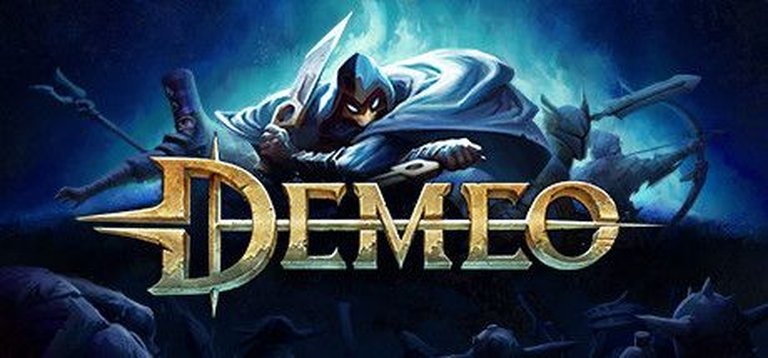
Demeo is a turn-based VR dungeon crawler RPG set in a fantasy world, where players sit around a virtual tabletop board to navigate multi-level dungeons, battle monsters, and collect treasure either solo or in co-op with up to three friends using motion controls and point-and-select interfaces, evoking classic tabletop RPGs like D&D.
Gameplay Videos
Where to Buy Demeo
PC
Demeo Free Download
Demeo Cracks & Fixes
Demeo Mods
Demeo Guides & Walkthroughs
Demeo Reviews & Reception
metacritic.com (80/100): Demeo is a fantastic dungeon-crawler, and a perfect addition to the PSVR2 library.
opencritic.com (81/100): Demeo is a delightfully-distilled tabletop RPG experience for up to four players that fits just as well in VR as it does on PC or PlayStation.
ign.com (80/100): Demeo is a delightfully-distilled tabletop RPG experience for up to four players that fits just as well in VR as it does on PC or PlayStation.
gamechronicles.com : Demeo captures all that magic and more; the perfect blend of actual miniatures, a physical playing area, and even the simple act of rolling a d20.
Demeo: A Virtual Tabletop Revolution
Introduction
Imagine gathering around a dimly lit table in a friend’s basement, miniatures poised on a sprawling dungeon map, dice clattering across the board as heroes clash with shadowy horrors—now transport that timeless ritual into the heart of virtual reality, where your hands physically grasp cards, hurl spells, and command armies of the undead. Demeo, released in 2021 by Resolution Games, isn’t just a game; it’s a digital resurrection of the tabletop RPG experience, evoking the spirit of Dungeons & Dragons and HeroQuest while leveraging VR’s immersive potential. As a cornerstone of early VR gaming, Demeo has sold an estimated 60,000 units, earned a MobyScore of 7.8/10, and garnered critical acclaim averaging 83% on Metacritic, cementing its legacy as a multiplayer phenomenon. My thesis: Demeo masterfully bridges the tactile joy of physical board games with VR’s boundless interactivity, establishing itself as a pivotal title that not only revitalized co-op dungeon crawling but also proved VR’s viability for social, strategic experiences, influencing hybrids like its own sequels and Demeo x Dungeons & Dragons: Battlemarked.
Development History & Context
Resolution Games AB, a Stockholm-based studio founded in 2015, specializes in VR titles that emphasize social play, with prior hits like RollerCoaster Tycoon Adventures showcasing their knack for accessible, joyful experiences. Demeo emerged from lead writer Julius’s vision of a “zoom-in” world-building approach, culminating in a 130-page lore bible that fleshed out the world of Gilmerra post-launch. Powered by Unity, the game navigated VR’s technological constraints of 2021—early Quest hardware limitations like battery life, motion sickness risks, and nascent cross-play—by prioritizing seated, motion-controlled interfaces over locomotion-heavy design.
Launched on May 6, 2021, for Oculus Quest and Windows (PC VR/flat-screen), Demeo arrived amid VR’s “infancy,” as reviewers like Way Too Many Games noted, during a post-Half-Life: Alyx surge but pre-mainstream adoption. The gaming landscape was dominated by solo VR shooters and puzzles; multiplayer co-op was rare, and digital tabletop simulations nonexistent at scale. Resolution’s roadmap—adding modules like Roots of Evil and Realm of the Rat King, a “Heroes Hangout” social hub, and PS5/PSVR2 ports in 2023—addressed initial content scarcity. Cross-play between VR and flatscreen editions broadened accessibility, while ongoing updates (e.g., new classes like Barbarian and Bard) reflected community feedback from Steam guides and Reddit. This iterative support transformed Demeo from a promising debut into a live-service staple, influencing VR’s shift toward hybrid social spaces.
Narrative & Thematic Deep Dive
Demeo‘s meta-narrative unfolds as a “game within a game”: players inhabit Deb’s cozy basement, role-playing adventurers in the fantasy realm of Gilmerra during its tumultuous Fifth Age. Deb, the charismatic Game Master (voiced with wry narration), guides sessions, commenting on triumphs (“Don’t take it personally—I’m just controlling the monsters!”) and failures, evoking a real DM’s improvisational flair. This framing device blurs lines between player and character, heightening immersion—you’re not just adventuring; you’re playing Demeo with phantom friends.
The core plot spans five campaign modules (The Black Sarcophagus, Roots of Evil, etc.), centered on Helmaar’s Elven Necropolis, corrupted by Rackarn—a limitless, reality-warping magic from beyond the dimension. King Avnor Berim and Queen Rúhn’s quest for immortality via Alfaragh (Rackarn’s void manifestation) unleashes corruption: loyalist elves mutate, rebels’ spirits are sealed in chests, and players, as hired champions (Guardian Sigurn, Assassin Kai, Sorcerer Zedokar, etc.), free Elven Spirits to assault Alfaragh’s plane. Themes of hubris, unity, and mortality permeate: Elves abandon Aiíts creators for Peth Muran’s philosophy (Unity, Gratitude, Nature), only to fracture via Rackarn’s temptation. Factions like the Thieves’ Guild (meritocratic outlaws), The Circle (oath-bound mages), and Undergrounders (territorial sewer-dwellers) add moral ambiguity—lawbiders enforce Council peace, yet Northern Clan’s vigilantes vanished mysteriously.
Characters shine through lore leaflets and Julius’s YouTube insights: Rálma leads spectral rebels; druids chain the shapeshifting Root Lord in Drych Forest. Dialogue is sparse but flavorful—Deb’s banter humanizes runs—while themes explore creation myths (Dwarven Eílm’s dream-world, Goblin Sun/Moon fears) and cycles of Ages (First War’s Relic of Kahl, Eternal Night’s famine). It’s no epic novel, but Demeo‘s procedural vignettes, tied to expansive lore (Spiritplane’s timeless afterlife), deliver emergent stories of fragile alliances against encroaching void.
Gameplay Mechanics & Systems
At its core, Demeo is a turn-based dungeon crawler simulating a physical board game: up to four players (or AI in Skirmish) control heroes on tile-based maps, clearing three-floor dungeons per module to boss fights. Each turn grants two Action Points (AP) for movement (class-dependent range), melee/ranged attacks, or card plays—drawn from personalized decks blending Magic: The Gathering resource management with D&D dice rolls.
Core Loops: Explore procedurally revealed tiles (doors summon encounters), loot Cleptos Bazaar for cards (Banish teleports foes, Repeating Ballista auto-fires), and strategize combos (wet enemies + lightning). Combat demands positioning: Guardians tank with Barricades, Assassins flank, Sorcerers/Hunters AoE. Dice (d20-style) resolve actions—criticals shine (extra damage), misses backfire (self-damage)—with three revives per level resetting on floors. Progression is deck-building/XP-based: earn gold/XP for permanent card unlocks, but no persistent levels (flaw for solo, mitigated by class swaps like Bard’s buffs).
Innovations & Flaws: VR motion controls excel—grab/throw cards, physically roll dice (AR scatters them on floors), tilt tables 90° for views. UI is intuitive: holographic cards, scalable boards. Cross-play shines for hybrid parties. Flaws include steep difficulty (solo unviable early), repetitive Skirmish, neck strain from downward gazing, and launch content drought (addressed via DLC). PSVR2 lacks public lobbies, but updates added AR passthrough. Balance evolves—e.g., post-launch death resets—making it “pick-up-and-play D&D” per reviews.
World-Building, Art & Sound
Gilmerra’s Fifth Age sprawls across provinces (human Nurmaar, dwarven Belmaar, goblin Vakmaar, declining Helmaar), laced with lore like Elven Blaze torches for the dead or Fountain of Faith’s directional blessings. Locations pulse: Sunderhaven’s rat-plagued sewers, Fhalgor’s necropolis under Queen Rúhn’s watch. The Spiritplane—intertwined Ages, accessible to rebels—hints cosmic scale.
Art direction evokes premium miniatures: detailed 3D heroes (Ailin’s bow-draw animations), grotesque foes (Rackarn-mutated spiders), modular dioramas (fog-shrouded crypts). VR scaling immerses—zoom to chess-sized intimacy or pool-table sprawl—enhanced by Quest 3’s AR (dragons on ceilings, wall art). Heroes Hangout’s paint room adds personalization.
Sound design captivates: Deb’s warm narration narrates lore (“Whispers of the Rat King…”), dice clatter tactilely, spells whoosh with haptic feedback. Ambient dread—dripping water, skittering rats—builds tension, while triumphant stings reward keys. It crafts “cozy horror,” per 4Players.de, amplifying tabletop camaraderie.
Reception & Legacy
Launch reception was rapturous: Way Too Many Games (95%) hailed it a “VR must-buy,” Use a Potion! (90%) praised 20+ hour replayability, though Road to VR (70%) critiqued untapped VR mechanics. Metacritic’s 83/100 (PC), 80/100 (PS5) reflected “generally favorable,” with D.I.C.E. nomination for Immersive Reality Game. Players adored co-op (5/5 average), but noted bugs (patched) and solo hurdles. Commercially, 60k units and Steam peaks (386 concurrent) fueled expansions; PSVR2 version (2023) expanded via clearer visuals.
Reputation evolved: Initial “content-light” critiques faded with five campaigns (vs. launch’s one), influencing Demeo Battles (2023 PvP) and Battlemarked (D&D-licensed sequel, critiqued for shallow RPG ties but praised accessibility). Demeo pioneered VR tabletops, inspiring Battlemarked‘s campaigns and crossovers, proving social VR’s endurance amid flatscreen ports.
Conclusion
Demeo weaves exhaustive lore, buttery-smooth mechanics, and VR wizardry into a genre-defining gem: addictive loops for D&D veterans, gateway for newcomers, social glue for distant friends. Its flaws—solo viability, repetition—are eclipsed by triumphs in tactility and community. In video game history, Demeo claims a hallowed spot as VR’s HeroQuest, the blueprint for digital-physical hybrids, and a testament to Resolution Games’ foresight. Verdict: Essential—9.5/10. Play it with friends; relive the basement magic.