
- Release Year: 2019
- Platforms: Nintendo Switch, PlayStation 5, Windows, Xbox One, Xbox Series
- Publisher: Eastasiasoft Limited, Valkyrie Initiative LLP
- Developer: AKI
- Genre: Action, Role-playing (RPG)
- Perspective: Side view
- Game Mode: Single-player
- Gameplay: Metroidvania, Platform
- Setting: Fantasy
- Average Score: 70/100
- Adult Content: Yes
Description
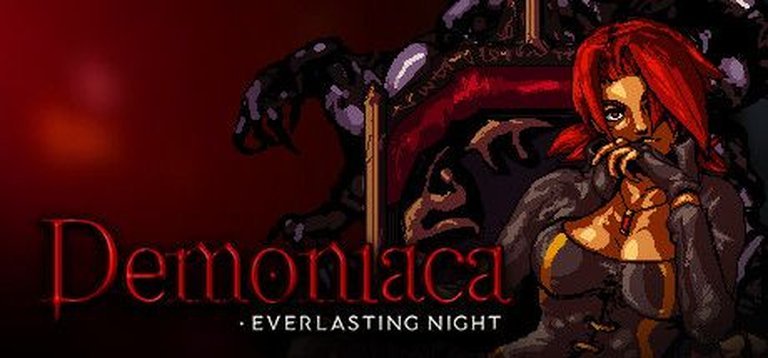
Demoniaca: Everlasting Night is a dark fantasy Metroidvania action-RPG that immerses players in a demonic realm as a vengeful half-demon protagonist. Featuring side-scrolling 2D visuals and challenging combat, the game blends exploration, platforming, and visceral battles across a heavy metal-inspired world filled with mature themes and gothic aesthetics. While praised for its ambitious ideas and stylish setting, critics note its uneven execution, with frustrations in platforming mechanics and combat balance. Released across multiple platforms, it offers a gritty, fantasy-driven experience for fans of nonlinear progression and demonic lore.
Gameplay Videos
Demoniaca: Everlasting Night Cracks & Fixes
Demoniaca: Everlasting Night Patches & Updates
Demoniaca: Everlasting Night Guides & Walkthroughs
Demoniaca: Everlasting Night Reviews & Reception
metacritic.com (70/100): Demoniaca is an interesting and unique mix of metroidvania exploration and deep fighting mechanics that benefits from much higher presentation standards than the usual 2D indie efforts.
steambase.io (71/100): Demoniaca: Everlasting Night has earned a Player Score of 71 / 100.
cogconnected.com : It’s a game that’s almost as frustrating as it is fun, which makes for a very unique gameplay experience.
geektogeekmedia.com : Demoniaca: Everlasting Night is an extremely gothic, extremely brutal Metroidvania that shakes things up by utilizing a fighting game control scheme with mixed (or maybe not so mixed) success.
gameindustry.com : Demoniaca isn’t exactly a game where you’ll be belting out a variety of big, fancy combos.
Demoniaca: Everlasting Night: A Gothic Metroidvania Lost in Its Own Ambition
Introduction
Demoniaca: Everlasting Night (2019) presents itself as a provocative hybrid—a “Kofvania” marrying Castlevania‘s gothic exploration with King of Fighters-inspired combat, all drenched in heavy-metal aesthetics and mature themes. Developed by Italian indie studio AKI (formerly Mnemosyne Games) and published by Valkyrie Initiative and Eastasiasoft, the game aims to carve a niche within the crowded Metroidvania genre. Yet, as this review argues, Demoniaca is a study in contradictions: a visually striking, conceptually bold experiment hamstrung by technical jank, narrative incoherence, and design decisions that sabotage its potential.
Development History & Context
Vision Amid Constraints
AKI, spearheaded by Fabio Consorti and Federico Della Bona, emerged from a 2016 Kickstarter campaign branding Demoniaca as a “dark, gothic, mature and sexy action RPG.” The studio positioned the game as a love letter to 1990s Japanese action-platformers, explicitly citing Castlevania: Symphony of the Night and SNK fighters as touchstones. Built in Unity with a modest team, the project faced the dual challenge of retro revivalism and genre innovation. Crowdfunding success (€30,000 secured in 2017) enabled a 2019 PC release, followed by console ports in 2021–2022.
The Metroidvania Renaissance
Demoniaca debuted amidst a Metroidvania resurgence, competing with classics like Hollow Knight (2017) and Bloodstained: Ritual of the Night (2019). Its fighting-game combat—advertised as a fresh “Kofvania” twist—aimed to differentiate it. However, the indie landscape was saturated with retro-styled titles, demanding more than nostalgia to stand out. AKI’s ambition to fuse Street Fighter-esque input commands with labyrinthine exploration was audacious, yet the execution faltered under technical and budgetary constraints.
Narrative & Thematic Deep Dive
A Vague Overture to Chaos
The plot centers on an unnamed protagonist (dubbed “Demoniaca” by fans) who survives a demonic massacre, her blood tainted by demonic essence. Sewing her body back together, she ascends the Tower of Babel to exact revenge. The setup channels Berserk-esque brutality but quickly devolves into incoherence. Key figures—Crow, a manipulative architect; Eva, a spectral lost love; and Klin, a tsundere sidekick—hint at deeper lore but lack development. Crow’s transformation into an Eldritch abomination in the “Golden Ending” typifies the game’s tendency toward shock over substance.
Themes of Corruption and Futility
Demoniaca toys with nihilistic themes: the futility of vengeance, bodily corruption, and eternal cycles of violence. The Tower of Babel serves as a purgatorial prison, reflecting the protagonist’s internal decay. Yet these ideas drown in juvenile edginess, such as gratuitous nudity (e.g., boss fights featuring exposed anatomy) and macabre set pieces (skeletons armored with severed, sexualized torsos). The mature content—meant to provoke—often feels exploitative rather than thematically resonant.
Dialogue and Pacing Issues
NPC interactions are plagued by stiff writing and poor localization. Klin’s abrupt shift from sarcastic rival to adoring acolyte exemplifies inconsistent characterization. Meanwhile, environmental storytelling—via cryptic William Blake and Dante Alighieri quotes—feels tacked-on, failing to elevate the thin narrative.
Gameplay Mechanics & Systems
Fighting Spirit, Broken Body
Demoniaca’s combat system is its most audacious gambit: face buttons map to light/heavy punches/kicks, while special moves require fighting-game inputs (e.g., quarter-circle motions). In theory, this allows for Street Fighter-style depth; in practice, it stumbles.
-
Combat Flaws:
- No Hit Stun: Enemies ignore attacks, trading blows indifferently.
- Spongy Enemies: Basic foes absorb dozens of hits, incentivizing hit-and-run tactics over combos.
- Status Effects: Cheap debuffs (e.g., instant petrification) frustrate rather than challenge.
-
Progression Systems:
- Stats and Gear: Manual stat allocation (STR, INT, LUCK) and equippable items (rings, bracelets) offer RPG-style customization but lack balance. HP-regeneration gear trivializes bosses when stacked.
- Skill Unlocks: Over 40 moves purchasable via “souls” currency, yet most are situational or redundant.
Platforming Pain Points
Movement relies heavily on finicky wall-jumps, with momentum locked in rigid arcs reminiscent of Castlevania III. Precision jumps are undermined by:
– “Leap of Faith” Pits: Unmarked drops force trial-and-error deaths.
– Camera Issues: Off-screen hazards attack players, particularly during vertical climbs.
– No Autosave: Save points are sparse, compounding frustration after repeated deaths.
The Co-op Gimmick
A second player can control “Devil Boy,” an AI companion summoned via consumables. Poor AI pathfinding renders this feature more distracting than helpful.
World-Building, Art & Sound
Pixel Art Splendor
Demoniaca shines aesthetically. The protagonist’s fluid animations—unchained hair whipping during acrobatics, gruesome healing sequences—echo Symphony of the Night’s detail. Gothic backdrops, from candlelit crypts to rain-lashed towers, drip with atmosphere, enhanced by a CRT filter evoking 32-bit hardware.
Visual Missteps
While environments impress, enemy designs oscillate between inventive and gratuitous. Skeletons clad in dismembered torsos and bosses like the Doppelgänger (flashing players mid-fight) prioritize shock over coherence. The uncensored PC version’s explicit content adds little beyond controversy.
Sonic Identity
Radik Pit and Max YmeV’s metal/rock soundtrack complements the grim tone but lacks standout melodies. Sound effects—bones crunching, swords clashing—are serviceable but repetitive.
Reception & Legacy
Divisive Critical Response
The game polarized critics (MobyScore: 6.3/10, Metacritic: tbd). Praise centered on its atmosphere and ambition:
– Positive: COGConnected lauded its “gorgeous visuals and soundtrack” (74/100), while Video Chums applauded its “clever combat-focused Metroidvania gameplay” (7/10).
– Negative: Hey Poor Player condemned “unbalanced design” (1.5/5), and Sequential Planet’s Lee Jewett lambasted its “repulsive” tone (1/10).
Player Sentiment
Steam users rated it “Mostly Positive” (71/100), highlighting niche appeal for masochistic genre fans. Complaints fixated on clunky controls and sluggish loading times (30+ seconds on Switch).
Industry Impact
Demoniaca’s legacy is scant. Its blend of fighting-game mechanics and Metroidvania structure remains unconvincing, though indie devs may study its aesthetic risks. It joins titles like Death’s Gambit as a cult curiosity—admired in theory, seldom revisited.
Conclusion
Demoniaca: Everlasting Night is a flawed gem—or perhaps a gilded husk. Its pixel-art grandeur, gothic world-building, and fighting-game ambitions hint at greatness, but tedious combat, punishing platforming, and tonal missteps sink its potential. For Completionists craving a brutal, lurid Metroidvania, it offers fleeting rewards. For most, however, Demoniaca remains a testament to ambition outpacing execution—a tower of ideas crumbling under its own weight.
Final Verdict: A 6/10 experiment for genre diehards; a missed opportunity for broader acclaim.