
- Release Year: 2017
- Platforms: Nintendo Switch, PlayStation 4, Windows
- Publisher: Bandai Namco Games America Inc., Namco Bandai Games Europe SAS
- Developer: B.B.STUDIO Co., Ltd.
- Genre: Role-playing (RPG), Sandbox
- Perspective: Diagonal-down
- Game Mode: Single-player
- Gameplay: Base building, Monster Training, Open World
- Setting: Digital World, Fantasy
- Average Score: 72/100
Description
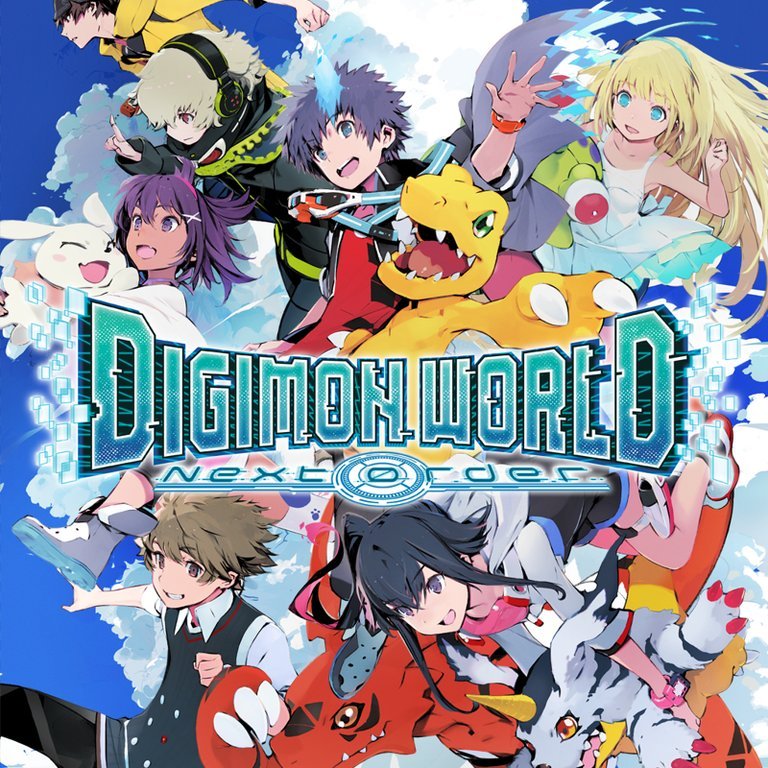
Digimon World: Next Order is a role-playing game set in an open world where players raise and train Digimon, digital monsters, to battle and evolve. The game features a deep sandbox experience with 30 additional quests and 12 new trainable Digimon, offering a rich and engaging adventure for fans of the Digimon franchise.
Gameplay Videos
Where to Buy Digimon World: Next Order
PC
Digimon World: Next Order Free Download
Digimon World: Next Order Mods
Digimon World: Next Order Guides & Walkthroughs
Digimon World: Next Order Reviews & Reception
opencritic.com (85/100): The game can be frustrating, but in the end there’s nothing like raising two healthy Digimon.
metacritic.com (68/100): The game is something longtime fans of the series will have no problem dumping hours upon hours into.
cgmagonline.com (65/100): Digimon World Next Order offers no qualms about throwing the player into the deep end from the very beginning.
Digimon World: Next Order: A Monumental, Flawed Return to the Digital World
Introduction
The Digimon World series has always been the rebellious cousin of monster-collecting RPGs, prioritizing Tamagotchi-esque care mechanics over Pokémon’s streamlined battles. Digimon World: Next Order, released in 2017 for PlayStation 4 (and later ported to Switch and PC in 2023), is a love letter to fans of the 1999 cult classic Digimon World. It resurrects the franchise’s signature blend of life simulation and open-world exploration, but beneath its nostalgic charm lies a game weighed down by archaic design choices and punishing grind. This review dissects its legacy, mechanics, and impact, asking: does Next Order honor its roots, or is it a relic trapped in the past?
Development History & Context
Developed by B.B.STUDIO (formerly Bandai’s BeeWorks), Next Order emerged during a renaissance for Digimon games. The success of Digimon Story: Cyber Sleuth (2015) revitalized Western interest in the franchise, creating demand for a return to the World subseries’ roots. Originally a PlayStation Vita title in Japan (2016), Next Order was retooled for PS4 as the International Edition, adding 30 quests and 12 Digimon to its roster.
The game’s creators sought to modernize the original Digimon World’s vision while retaining its punishing raise-and-battle loop. Producer Kazumasa Habu (Cyber Sleuth) and composer Toshiyuki Kishi (Zombie Land Saga) blended nostalgic callbacks with Unity-engine polish, though the Vita’s technical constraints lingered in the PS4 port’s simplistic textures and UI. Released amidst a wave of monster-taming games (Pokémon Sun/Moon, Yo-Kai Watch), Next Order stood out—for better or worse—as a defiantly hardcore alternative.
Narrative & Thematic Deep Dive
Next Order follows Takuto or Shiki, high schoolers dragged into a Digital World overrun by rogue Machinedramon. The plot is a pastiche of Digimon tropes: apocalyptic viruses, megalomaniacal humans (the returning Analogman), and themes of partnership. While the story’s pacing is glacial, its heart lies in smaller moments—digging through garbage for Numemon or mediating a “Meat vs. Veggies” war between factions of food-themed Digimon.
Characters like Mameo (implied protagonist of the original Digimon World) and Luche (a human-Digimon hybrid) add depth, but the writing suffers from Pronoun Trouble and awkward localization. Themes of legacy and rebirth mirror the gameplay: Digimon inevitably die, only to be reborn stronger. It’s a poignant metaphor for perseverance, even if the dialogue rarely rises above Saturday-morning cartoon fare.
Gameplay Mechanics & Systems
Raising & Training
At its core, Next Order is a monster-raising sim. Players manage two Digimon simultaneously, balancing hunger, bathroom breaks, and training to meet evolution requirements. Stats grow through gym minigames or battles, but the grind is brutal—an Agumon might take 6+ hours to reach Champion stage. The game’s “Care Mistakes” system, which penalizes neglect, feels archaic compared to modern QoL standards.
Combat
Battles are real-time and AI-driven, with players issuing loose commands. While the dual-Digimon system enables synergies (e.g., Agumon tanking while Gabumon snipes), fights often devolve into chaotic button-mashing. The EXE Evolution mechanic—temporarily fusing Digimon into Omegamon—is a spectacle, but its implementation is clunky.
Town Building
Floatia, the central hub, expands as players recruit wild Digimon. Each species contributes uniquely: Palmon farms meat, while Birdramon offers fast travel. It’s a satisfying loop, though progression is gated by tedious fetch quests.
Criticisms
- Repetitive grind: Stat training dominates playtime.
- Passive combat: Lack of direct control frustrates.
- Unintuitive UI: Menus are cluttered and slow.
World-Building, Art & Sound
The Digital World is a vibrant, if technically limited, homage to the PS1 original. Zones like the lava-spewing Logic Volcano and bone-strewn Bony Resort ooze personality, though low-resolution textures betray the Vita’s roots. The soundtrack, mixing Toshiyuki Kishi’s new tracks with remastered Digimon World themes, is a series highlight—even if Floatia’s day/night theme loops incessantly.
Voice acting is divisive. The English dub mixes solid performances (e.g., Taomon’s Tamers-esque voice) with grating Digimon cries, while the 2023 Switch port initially excluded Japanese voices—a misstep later patched.
Reception & Legacy
Next Order earned mixed reviews (MobyScore: 6.6/10), praised for depth but criticized for repetition. Critics like Destructoid (8/10) lauded its “impressive effort” to revive classic mechanics, while RPGFan (5/10) lambasted its “messy” systems. Commercially, it sold 1 million copies by 2024, buoyed by the Digimon fanbase.
The 2023 ports added Beginner Mode and dash mechanics, addressing some flaws. While overshadowed by Cyber Sleuth’s acclaim, Next Order remains a cult favorite—a flawed but heartfelt tribute to Digimon’s Tamagotchi origins.
Conclusion
Digimon World: Next Order is a game of contradictions. Its rewarding monster-raising systems are hamstrung by grind; its charming world undermined by dated presentation. Yet for fans willing to endure its quirks, it offers a uniquely demanding RPG experience. Like its Digital World—imperfect, ever-evolving—Next Order stands as a monument to Digimon’s enduring spirit. Not a masterpiece, but a fascinating artifact.
Final Verdict: A niche gem for devotees, but approach with patience—and a FAQ guide.
Score: 7/10
Platforms: PlayStation 4, Nintendo Switch, PC
Developer: B.B.STUDIO
Publisher: Bandai Namco Entertainment
Release Date: January 27, 2017 (PS4), February 22, 2023 (Switch/PC)