
- Release Year: 2014
- Platforms: Windows
- Publisher: Kardfy Studios
- Developer: Kardfy Studios
- Genre: Strategy, Tactics
- Perspective: Top-down
- Game Mode: Single-player
- Gameplay: Board game, Cards, Tiles
- Setting: Fantasy
- Average Score: 69/100
Description
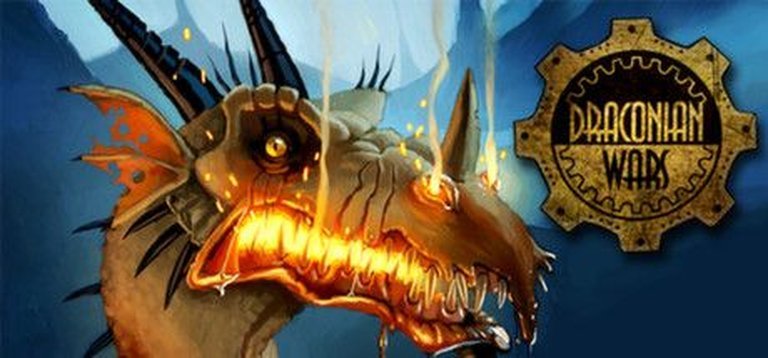
Draconian Wars is a strategic, turn-based card game set in the fantastical continent of Hyperborea. Players engage in fierce battles between the magical Draconians and the technologically advanced Technocrats, each vying for control of the land’s rich resources. The game features a mix of ground and air units, customizable decks, and a variety of unique cards, all within a richly detailed fantasy setting.
Where to Buy Draconian Wars
PC
Draconian Wars Guides & Walkthroughs
Draconian Wars Reviews & Reception
steambase.io (39/100): Draconian Wars has earned a Steambase Player Score of 39 / 100.
steamcommunity.com : Excellent hard Game … this is a hard game. And complicated. If you are the type of player that wants to play a few things wrong and still win this is not the game for you.
metacritic.com (100/100): Finally a game that doesn’t treat you like a child. If you think Yu-Gi-Oh is a challenge, don’t play this, or you will suffer a serious brain injury. This game is complex and depth, but very rewarding at the same time.
Draconian Wars: A Forgotten Gem of Strategic Card Battling
Introduction
In the shadow of titans like Hearthstone and Magic: The Gathering, Draconian Wars (2014) stands as a fiercely ambitious indie card battler that dared to prioritize depth over accessibility. Developed by Kardfy Studios, this turn-based strategy game pits magic-wielding Draconians against steampunk-inspired Technocrats in a war for the fantastical continent of Hyperborea. While it never achieved mainstream recognition, Draconian Wars remains a cult classic for players seeking unapologetically complex gameplay and a richly thematic conflict. This review argues that the game’s intricate systems and faction-driven asymmetry make it one of the most underappreciated strategy games of its era—a flawed but fascinating experiment in blending board game tactics with digital card combat.
Development History & Context
A Studio’s Passion Project
Kardfy Studios, a small indie team, envisioned Draconian Wars as a love letter to classic tabletop wargames and collectible card games (CCGs). Built using Unity 3.5.7f6, the game faced technical constraints typical of indie projects, including limited AI capabilities and a modest visual budget. Released in 2014, it entered a crowded market dominated by Hearthstone’s polished accessibility, yet Kardfy refused to compromise their vision: a game where every card was unlocked upfront, requiring no booster packs or microtransactions.
The Greenlight Struggle
The studio campaigned aggressively on Steam Greenlight, positioning the game as a “thinking player’s alternative” to mainstream CCGs. However, delays in AI development and sparse marketing left Draconian Wars struggling to attract a sustained player base. Despite patches and updates—including improved tutorials and faction balance—the game’s niche appeal and steep learning curve limited its commercial reach.
Narrative & Thematic Deep Dive
A Clash of Ideologies
The lore of Hyperborea frames a stark ideological conflict:
– The Draconians: Ancient, magic-wielding beings who drain natural resources to fuel their power, embodying ecological exploitation.
– The Technocrats: Industrial revolutionaries who harness coal and steel, representing technological progress at the cost of cultural erasure.
The narrative, while not story-driven, weaves environmental decay and colonial tension into card descriptions and battlefield objectives. This dichotomy elevates the game beyond mere factional reskins, offering thematic weight to every tactical decision.
Characters as Card Archetypes
Units like the Albino Sorcerer (Draconian) and Steam Golem (Technocrat) aren’t just stat blocks—they embody faction philosophies. Draconian cards emphasize “Extract” mechanics (resource stealing), while Technocrats rely on “Assembly” (building synergies). The lack of named characters is a missed opportunity, but the world-building shines through environmental storytelling and card art.
Gameplay Mechanics & Systems
A Chessboard of Cards
Draconian Wars innovates with a hybrid system merging card play and tactical movement:
– Card Types:
– Units: Ground/Air troops with Force (attack), Skill (accuracy), and Armor (defense).
– Weapons: Modify unit stats or deal direct damage.
– Gears: Persistent buffs like magic enchantments or factories.
– Disrupts: Spells or traps to sabotage opponents.
– Battlefield Zones: Players maneuver units across six zones (3 ground, 3 air), adding spatial strategy absent in most CCGs.
Deck-Building Without Paywalls
With 150 cards available through progression and no microtransactions, deck-building feels rewarding but grindy. Early criticisms noted the slow unlock pace, though patches later eased this. Faction asymmetry is a highlight: Draconians excel in burst damage and disruption, while Technocrats favor incremental advantage through structures and buffs.
Flaws in Execution
- AI Limitations: Early iterations were brittle, often making nonsensical moves. Later updates improved this, but the AI remains exploitable.
- UI Clutter: The top-down view’s minimalism clashes with text-heavy card descriptions, creating a steep onboarding curve.
- Multiplayer Desertion: Despite robust online modes, the player base evaporated quickly, leaving skirmishes against AI as the primary experience.
World-Building, Art & Sound
Aesthetic Contrasts
- Visuals: The hand-drawn card art is stunning—Draconian designs brim with organic, jagged textures, while Technocrats feature angular, mechanized silhouettes. However, the battlefield UI feels sparse, missing opportunities to showcase Hyperborea’s ecosystems.
- Sound Design: Ambient tracks evoke a war-torn fantasy realm, though repetitive battle effects grow stale. Notably, faction-specific themes underscore their identities: tribal drums for Draconians, clanking machinery for Technocrats.
Reception & Legacy
Mixed initial Reviews
Critics praised the game’s ambition:
– Gameplay Benelux called it a “hidden gem” with “endless strategic possibilities.”
– User reviews lauded its depth but lamented its complexity: one Steam player compared it to “quantum field theory in card form.”
A Quiet Influence
While Draconian Wars never sparked a franchise, its design DNA echoes in later indie titles like Duelyst (spatial card combat) and Monster Train (asymmetric faction play). Its “no boosters” model also presaged the rise of buy-to-play card games like Legends of Runeterra.
Conclusion
Draconian Wars is a game of contradictions: brilliant in its strategic depth yet hamstrung by its own ambition. For patient players, it offers a richly tactical experience unmatched by its contemporaries, where every match feels like a high-stakes war of attrition. While its UI flaws and dwindling player base limit its appeal today, it remains a testament to indie innovation—a game that valued substance over spectacle. In the pantheon of card battlers, Draconian Wars deserves recognition as a flawed masterpiece, a beacon for designers daring to fuse board game complexity with digital card play.
Final Verdict: A cult classic for strategy purists, best approached as a single-player challenge or historical curiosity.