
- Release Year: 2005
- Platforms: Windows
- Publisher: East Entertainment Media GmbH
- Developer: Static X Studio
- Genre: Puzzle
- Perspective: Diagonal-down
- Game Mode: Single-player
- Gameplay: Cards, Tile matching, Tiles
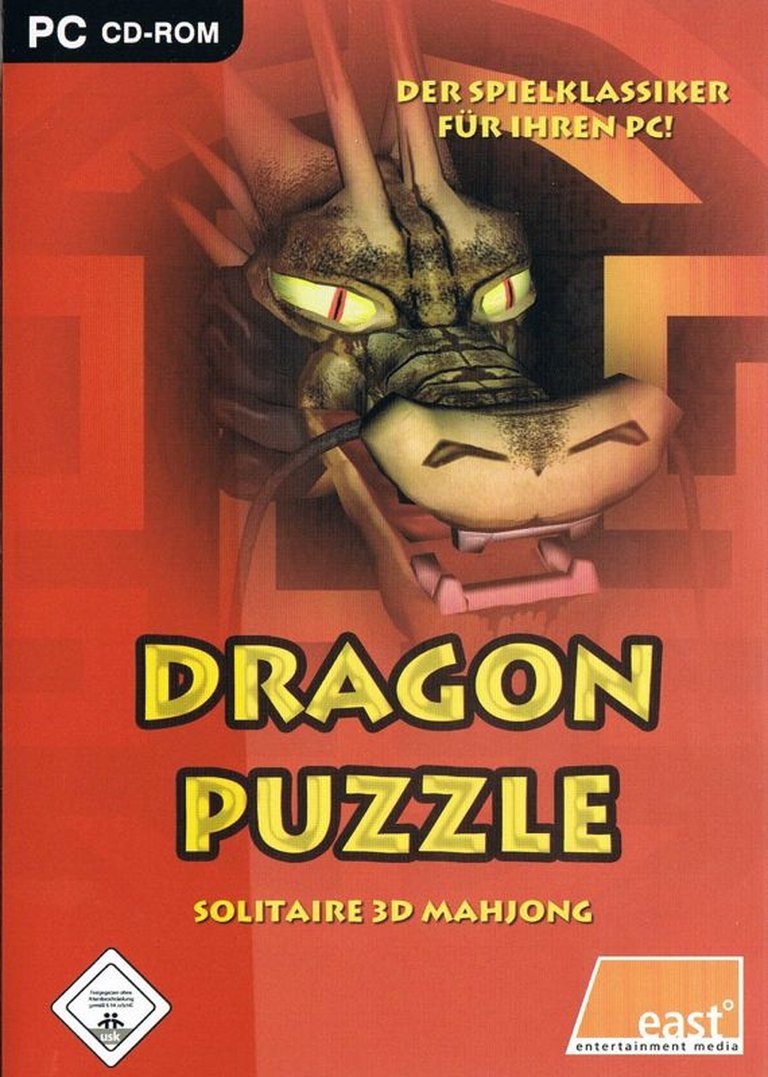
Description
Dragon Puzzle: Solitaire 3D Mahjong is a single-player puzzle game offering a 3D twist on the classic Chinese tile matching solitaire (Mahjong) tradition. Players match pairs of identical tiles to clear the board, utilizing two distinct tile graphic sets and choosing from 100 different field layouts across five board sizes.
Dragon Puzzle: Solitaire 3D Mahjong Guides & Walkthroughs
Dragon Puzzle: Solitaire 3D Mahjong Reviews & Reception
metacritic.com : There are no critic reviews for this game yet.
amazon.nl : No customer reviews
Dragon Puzzle: Solitaire 3D Mahjong: Review
Introduction
Dragon Puzzle: Solitaire 3D Mahjong, released in 2005, is a digital adaptation of the classic Chinese tile-matching game, Mahjong. Developed by Static X Studio and published by East Entertainment Media GmbH, this game stands out for its 3D graphics and extensive collection of layouts. While it may not have achieved widespread critical acclaim, it occupies a niche in the puzzle genre, offering a blend of traditional gameplay with modern visual enhancements. This review will delve into the game’s development history, narrative themes, gameplay mechanics, world-building, reception, and legacy, ultimately assessing its place in video game history.
Development History & Context
Studio and Creators’ Vision
Dragon Puzzle: Solitaire 3D Mahjong was developed by Static X Studio, a relatively obscure developer with limited public records of other notable titles. The game was published by East Entertainment Media GmbH, a company that specialized in casual and puzzle games during the mid-2000s. The studio’s vision for the game was to modernize the traditional Mahjong experience by introducing 3D graphics and a variety of tile sets, catering to both casual and dedicated puzzle enthusiasts.
Technological Constraints of the Era
Released in 2005, Dragon Puzzle: Solitaire 3D Mahjong benefited from the advancements in 3D graphics technology of the early 2000s. The game’s free camera perspective and diagonal-down view were innovative for the time, allowing players to rotate and zoom in on the tile layouts for a more immersive experience. However, the game’s reliance on CD-ROM distribution and lack of online multiplayer features reflect the technological limitations of the era.
Gaming Landscape at the Time of Its Release
The mid-2000s saw a surge in casual gaming, driven by the popularity of puzzle games like Bejeweled and Tetris. Mahjong Solitaire, a single-player variant of the traditional four-player game, had already gained traction in the digital space. Dragon Puzzle: Solitaire 3D Mahjong entered this competitive market with the promise of enhanced visuals and a wide variety of layouts, aiming to differentiate itself from other Mahjong titles.
Narrative & Thematic Deep Dive
Plot and Characters
Unlike many modern video games, Dragon Puzzle: Solitaire 3D Mahjong lacks a traditional narrative or characters. The game is purely a puzzle experience, focusing on the core mechanics of tile matching. However, the inclusion of dragon-themed tiles and layouts adds a subtle layer of cultural significance, tying the game to the rich history and symbolism of Mahjong.
Dialogue and Themes
There is no dialogue in the game, as it is a silent, solitary experience. The thematic elements are conveyed through the visual design of the tiles and layouts. Dragons, a prominent symbol in Chinese mythology, represent strength, power, and good fortune. The game’s use of these symbols subtly reinforces the cultural roots of Mahjong, even in its digital adaptation.
Gameplay Mechanics & Systems
Core Gameplay Loop
The core gameplay of Dragon Puzzle: Solitaire 3D Mahjong revolves around matching pairs of identical tiles. Players must remove tiles from a layout by selecting two matching tiles that are free on at least one side. The game features 100 different layouts across five board sizes, providing a variety of challenges for players.
Innovative and Flawed Systems
One of the game’s innovative features is its 3D camera system, which allows players to rotate and zoom the view to better see the layout. This feature was ahead of its time for Mahjong games and added a layer of depth to the gameplay. However, the game lacks modern quality-of-life features such as undo functionality, hints, or a timer, which could frustrate players who make mistakes or get stuck.
User Interface
The user interface is straightforward and functional, with clear controls for selecting tiles and navigating the 3D view. The game’s menu system is simple, allowing players to quickly access different layouts and tile sets. However, the lack of customization options or difficulty settings limits the game’s replayability.
World-Building, Art & Sound
Setting and Atmosphere
Dragon Puzzle: Solitaire 3D Mahjong does not have a traditional “world” to explore, but the game’s tile sets and layouts create a cohesive aesthetic. The dragon-themed tiles and layouts evoke a sense of Eastern mysticism and tradition, immersing players in the cultural context of Mahjong.
Visual Direction
The game’s visual direction is its strongest asset. The 3D graphics, while dated by modern standards, were impressive for their time. The tile designs are detailed and visually appealing, with two different graphics sets to choose from. The free camera system allows players to appreciate the layouts from different angles, enhancing the visual experience.
Sound Design
The sound design is minimalistic, with soft background music and subtle tile-matching sound effects. The music complements the game’s relaxed and meditative atmosphere, but the lack of variety in the soundtrack can make long play sessions feel monotonous.
Reception & Legacy
Critical and Commercial Reception
Dragon Puzzle: Solitaire 3D Mahjong did not receive significant critical attention upon its release. There are no recorded critic reviews on platforms like Metacritic, and the game’s MobyGames page lacks user reviews. This suggests that the game may have been overshadowed by more popular puzzle titles of the era.
Influence on Subsequent Games
Despite its lack of critical acclaim, Dragon Puzzle: Solitaire 3D Mahjong contributed to the growing trend of 3D Mahjong games. Its innovative camera system and detailed tile designs influenced later titles in the genre, such as 3D Mahjong Tower and Mahjong Solitaire Refresh. The game’s emphasis on cultural symbolism also set a precedent for future Mahjong adaptations that sought to preserve the game’s traditional elements.
Conclusion
Dragon Puzzle: Solitaire 3D Mahjong is a niche but noteworthy entry in the Mahjong puzzle genre. Its 3D graphics and extensive collection of layouts offered a fresh take on the classic game, even if it lacked the polish and features of modern Mahjong titles. While it may not have achieved widespread recognition, its innovative camera system and cultural themes make it a notable example of how traditional games can be adapted for modern audiences. In the grand tapestry of video game history, Dragon Puzzle: Solitaire 3D Mahjong holds a small but significant place as a testament to the enduring appeal of Mahjong and the creative ways developers have sought to modernize it.