
- Release Year: 2016
- Platforms: Android, Browser, Macintosh, Windows
- Publisher: Game Cook, Inc.
- Developer: Jesse Freeman
- Genre: Role-playing (RPG)
- Perspective: 1st-person / Diagonal-down
- Game Mode: Single-player
- Gameplay: Arcade, Puzzle elements, Timed input
- Setting: Fantasy, Medieval
- Average Score: 69/100
Description
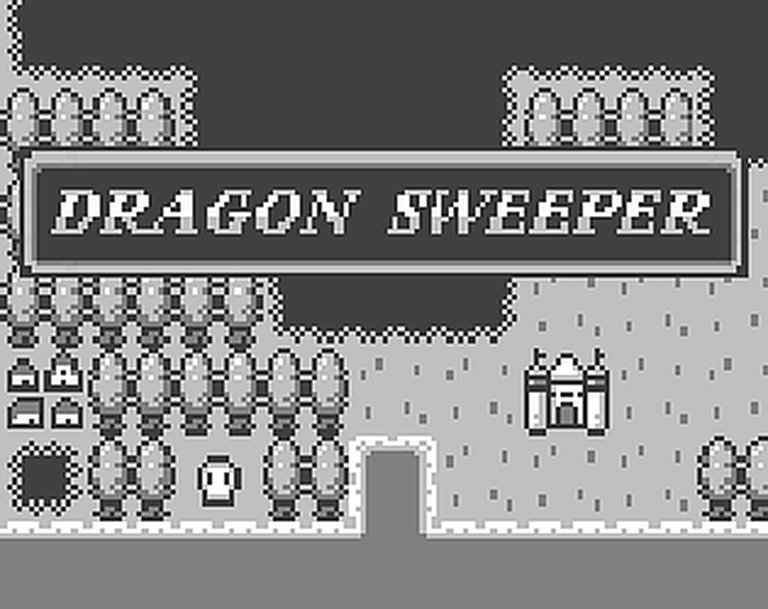
Dragon Sweeper is a fantasy role-playing puzzle game set in a medieval dungeon, where players adopt a 1st-person diagonal-down perspective to navigate a fixed or flip-screen grid filled with hidden dangers like dragons and monsters. Blending arcade action, timed inputs, and strategic observation via point-and-select controls, adventurers uncover tiles, manage roguelike encounters with avenging or summoning creatures, and use the MonsterNomicon bestiary to clear the board in tense, replayable sessions.
Gameplay Videos
Dragon Sweeper Reviews & Reception
danielben.itch.io (98/100): Rated 4.9 out of 5 stars. Great game! best minesweeper I’ve played.
hardcoredroid.com : The real issue with Dragon Sweeper is that it’s just boring.
Dragon Sweeper: Review
Introduction
Imagine Minesweeper, that staple of office procrastination and childhood curiosity, reimagined not as a sterile logic test but as a perilous dungeon crawl where every click could drain your life force, every number a clue to hidden horrors, and victory demands not just deduction but ruthless resource management. Dragon Sweeper—the brilliant 2024 browser-based roguelike puzzle by indie developer Daniel Benmergui—achieves this alchemy, transforming a 1990s Windows relic into a tense, pattern-hunting obsession that has captivated thousands. Released on itch.io as “Dragonsweeper” (often stylized with a space in fan discussions), it blends Minesweeper’s grid-based revelation with RPG progression, where defeating monsters levels you up, boosting your health pool to tackle deadlier foes. Its legacy lies in revitalizing the genre, spawning fan remakes like Dungeonsweeper and fueling forum deep-dives into its hidden rules. My thesis: Dragon Sweeper is a minimalist masterpiece of emergent strategy, proving that true innovation blooms from constraint, though its unforgiving nature and platform limitations keep it from universal accessibility.
Development History & Context
Dragon Sweeper emerged from the solo genius of Daniel Benmergui, an Argentine indie creator known for experimental puzzles on itch.io. Launched as a free HTML5 browser game around late 2024 (with updates as recent as February 2025 adding achievements and polish), it was built for rapid play sessions—perfect for the post-pandemic itch.io ecosystem, where bite-sized roguelikes thrive amid endless Steam saturation. Benmergui’s vision, hinted in the in-game Monsternomicon (“Observing patterns when dead is also useful for subsequent games”), was to subvert Minesweeper’s guesswork by embedding discoverable monster patterns, turning trial-and-error into mastery through post-mortem analysis.
Technological constraints shaped its purity: HTML5 ensures zero-install play, but sacrifices mobile optimization (touch controls lack mark mode, per player feedback). The era’s gaming landscape—dominated by viral browser hits like Wordle variants and roguelite puzzles (Baba Is You, Desktop Dungeons)—provided fertile ground. Minesweeper-likes had precedents (Runestone Keeper, DemonCrawl, Hive Sweeper), but none matched Dragon Sweeper‘s RPG twist: HP as currency, levels as power spikes. Amid 2024-2025’s indie puzzle renaissance (fueled by Hacker News shares and ResetEra threads), it exploded, amassing 1,500+ ratings at 4.9/5. No big studio backing—just Benmergui’s code, pixel art, and a devlog teasing refinements. Note: It’s distinct from Jesse Freeman’s 2016 Dragon Sweeper (a timing-based RPG with Unity and bugs), a common mix-up clarified in fan guides.
Narrative & Thematic Deep Dive
Dragon Sweeper‘s “story” is elegantly sparse: you’re an unnamed hero plunging into a procedurally generated dungeon grid (typically 15×15 or similar, centered on the level-15 Dragon boss). No cutscenes or dialogue—just the Monsternomicon, a lore book profiling 20+ foes with cryptic hints (e.g., Rats “face toward the Rat King’s column”). This absence amplifies themes of blind exploration and revelation, mirroring a roguelike delver’s fog-of-war peril. Clicking a tile risks HP equal to the hidden monster’s level (1-15+), yielding gold for progression; numbers tally adjacent threats (e.g., “18” might flag an 11-Lich +7-Guardian).
Characters shine through behaviors: the elusive Gnome (level 0) teleports to blanks until cornered for 9-10 gold; Rat King (5) reveals all Rats (1, directional sprites); Slime Warlock (1, edge-spawned) unmasks Purple Slimes (8s); Lich (11, corner-bound) deactivates Mines (100→2 gold). Lovers Romeo/Juliet (9s) mirror across the Dragon’s axis; Minotaurs (6-7) guard chests (some gold, hearts, or Mimic traps at 10+). Themes probe risk vs. knowledge: early guesses build info, late-game deduction perfects runs. Death unveils the board, enforcing “post-mortem learning”—a meta-narrative on failure as teacher. Subtle animations (Minotaurs shocked at chest reveals, Gargoyles facing pairs) infuse personality, evoking NES JRPG whimsy without bloat. It’s philosophical Minesweeper: observation conquers chaos.
Gameplay Mechanics & Systems
At its core, Dragon Sweeper loops revelation → combat → progression. Start with 5 HP; click safe tiles (orbs reveal clusters); numbers = sum of 8 neighbors’ levels (99+ flags Mines via first digit). Combat? Instant: click deducts HP = monster level, grants gold = level. Level up at escalating thresholds (5→8→12 gold, +3 each time), gaining +1 max HP and full heal. Goal: hit level 15, slay Dragon (always mid-column, row 5).
Core Loop Deconstruction:
– Exploration: Left-click reveals; right-click flags/marks numbers. Initial orbs safe-boot; scrolls (3×3 random, group-reveals) expand info.
– Combat: No turns—HP as ammo. Tanks lowbies (Rats=1 dmg), save for highs (Dragon=15). Walls (bricks, pairs) cost 3 HP for 1-3 gold (strategic “banks”).
– Progression: 14 levels demand ~365 gold for perfect clear (all monsters/items). Hearts (7 scrolls) restore current max HP—use at 0 HP, high level for value (level 15=15 HP).
– Innovation: Pattern System—community-decoded rules eliminate luck:
| Monster | Level | Pattern |
|---|---|---|
| Rat | 1 | Faces Rat King column; sits if same column |
| Gargoyle | 4 | Orthogonal pairs, face each other |
| Guardian | 7 | 1/quadrant (Dragon divides map); shield-dot hints corner |
| Rat King | 5 | Reveals Rats |
| Gazer | 5 | ? diamond (2-tile radius) |
| Slime Warlock | 1 | Edge, 5 Purple Slimes (8) around |
| Minotaur | 6 | Adjacent chest (faces away); Mimic possible |
| Lich/Mine King | 11/10 | Corner; deactivates Mines (9 total, 18 gold) |
| Gnome | 0 | Last blank; 9-10 gold |
| Dragon | 15 | Fixed center; Egg adjacent |
Hearts/scrolls ≥2 tiles apart; no corner walls.
UI: Clean—HP/gold bar, level, Monsternomicon, mark menu (post-update). Flaws: No tile-lock/coloring/inequality notes (player suggestions); accidental clicks fatal; no auto-block suicidal hits.
Twists: Perfect 365 score (full clear, hearts left) viable sans luck; cheat “first q” (ROT13) tests max 13 hearts. Speedruns sub-4min; achievements (e.g., total slaughter).
Balanced brilliance: Early aggression for gold, mid-pattern hunts, late efficiency. Replayable via seeds/pattern variance (2s/3s/Mines semi-random).
World-Building, Art & Sound
The “world” is a static pixel grid—medieval fantasy dungeon with fogged tiles lifting like torchlight. Atmosphere builds tension: dim palette, sparse empties hiding doom. Visuals: Crisp 8-bit sprites (animated Rats/Gargoyles/Minotaurs add charm—shocked faces, directional eyes). Monsters evoke lore—hulking Dragon central, ethereal Gnome fleeing. No overworld; immersion via deduction.
Sound: Minimalist chiptune (implied retro vibe; player praise for “dope soundtrack” in forums). Subtle effects (clicks, deaths) underscore risk; silence amplifies stares. Collectively, elements forge claustrophobic dread, turning abstract numbers into a living bestiary—superior to verbose RPGs.
Reception & Legacy
Launch reception: Explosive. itch.io 4.9/5 (1,526 ratings), comments gush (“best Minesweeper,” “conquered after months,” PBs like 4:01). Viral on ResetEra (3-hour addictions, pattern spoilers), Hacker News (strategies), Discord. No Metacritic, but forums hail as “improved Minesweeper.” Commercial: Free/pay-what-you-want; fan ports/remakes (Dungeonsweeper, Minefielddungeon).
Critically sparse but glowing; one MobyGames player rates 2/5 (confused with Jesse’s?). Reputation evolved: From “addictive timewaster” to genre-definer, with devlogs/patches addressing feedback (mark menu, balance). Influence: Boosted minesweeperlikes (Tacticsweeper, Triangulation lists); echoes in Desktop Dungeons (free version praised). Spawned meta (ROT13 hints, perfect-score math); 839+ itch comments dissect it. In history: Pinnacle of “observation puzzles,” alongside The Witness—proof indies reinvent classics.
Conclusion
Dragon Sweeper distills roguelike peril into grid perfection: patterns reward obsession, progression hooks greed, deaths teach humility. Flaws—touch woes, no QoL tools—pale against genius; it’s always winnable, scalable from casual clears to 365-score mastery. As historian, I place it among indie greats (Spelunky, Crypt of the NecroDancer) for emergent depth from simplicity. Definitive verdict: Essential 10/10 browser gem, a love letter to deduction that demands your souls (and hours). Play it; observe; conquer. Your inner sweeper awaits.