
- Release Year: 2014
- Platforms: Android, New Nintendo 3DS, Windows
- Publisher: Degica Co., Ltd., Toydea Inc.
- Developer: Degica Co., Ltd., Toydea Inc.
- Genre: Role-playing (RPG), Strategy, Tactics
- Perspective: Diagonal-down
- Game Mode: Single-player
- Gameplay: Roguelike, Turn-based
- Setting: Fantasy
- Average Score: 55/100
Description
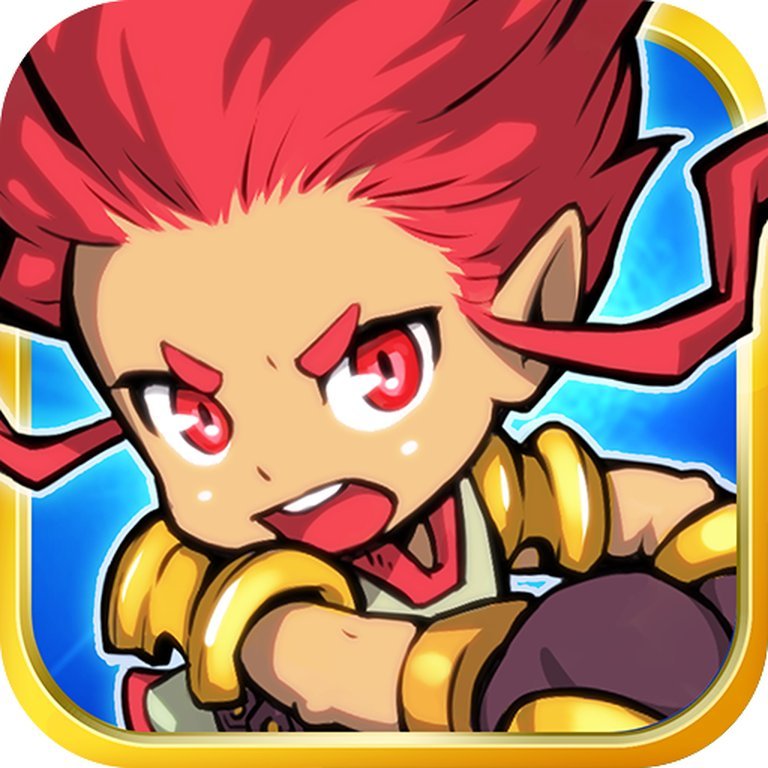
DragonFang: Drahn’s Mystery Dungeon is a story-rich tactical rogue-like RPG set in a fantasy world where dragons, once the mightiest rulers, are slowly becoming extinct. As their era ends, dragons retreat into labyrinths hidden beyond time and space to spend their final days. The game follows Drahn, a young dragonian, and his fairy companion as they embark on a journey to uncover the truth behind the dragons’ decline. Players explore randomly generated dungeons, battle formidable bosses, and summon over 150 ally monsters to aid in their quest. With turn-based combat and strategic depth, the game blends exploration, tactical decision-making, and a compelling narrative.
Gameplay Videos
DragonFang: Drahn’s Mystery Dungeon Guides & Walkthroughs
DragonFang: Drahn’s Mystery Dungeon Reviews & Reception
steambase.io (55/100): DragonFang – Drahn’s Mystery Dungeon has earned a Player Score of 55 / 100.
gamescover.net : DragonFang – Drahn’s Mystery Dungeon is a tactical rogue-like role playing game.
DragonFang: Drahn’s Mystery Dungeon Cheats & Codes
PC (Steam)
Enter the code in the game’s redemption or code input section.
| Code | Effect |
|---|---|
| 8ZTHL-5M3RC-R2Y78 | Unlocks a free Red Dragon |
DragonFang: Drahn’s Mystery Dungeon: A Hidden Gem in the Roguelike RPG Pantheon
Introduction: The Last Breath of Dragons
In the vast, often oversaturated landscape of roguelike RPGs, DragonFang: Drahn’s Mystery Dungeon emerges as a quiet but compelling entry—a game that weaves a melancholic narrative about extinction, legacy, and the passage of time into the familiar framework of procedural dungeon crawling. Released in 2014 on Android before expanding to the New Nintendo 3DS (2016) and Windows (2020), this title from Toydea Inc. and Degica Co., Ltd. is a love letter to the Mystery Dungeon subgenre, particularly the Pokémon Mystery Dungeon and Shiren the Wanderer series. Yet, it carves its own identity through its unique lore, strategic depth, and a surprisingly poignant story about the twilight of dragonkind.
At its core, DragonFang is a turn-based, tactical roguelike where players assume the role of Drahn, a young dragonian (a humanoid dragon) navigating a world where dragons—once godlike rulers—are fading into myth. The game’s premise is steeped in tragedy: as dragons near extinction, they retreat into labyrinths hidden beyond time and space, ensuring their immense power cannot be misused. Drahn’s journey, accompanied by a whimsical fairy, is one of discovery, as he seeks to uncover the truth behind his kind’s decline and unlock the secrets of the titular Dragonfang.
This review will dissect DragonFang across its narrative, mechanics, artistry, and legacy, arguing that while it may not have achieved mainstream acclaim, it stands as a culturally and mechanically significant title within the roguelike RPG canon—a game that deserves reconsideration for its ambitious storytelling and innovative twists on a classic formula.
Development History & Context: A Labor of Love in a Crowded Genre
The Studios Behind the Myth
DragonFang is the brainchild of Toydea Inc., a Japanese indie studio with a focus on mobile and handheld gaming, in collaboration with Degica Co., Ltd., a publisher known for its work with niche Japanese titles (e.g., Recettear: An Item Shop’s Tale). The partnership reflects a shared vision: to create a Mystery Dungeon-style game that prioritizes narrative depth and strategic gameplay over the often repetitive grind of its peers.
The game’s development was likely influenced by the resurgence of roguelikes in the early 2010s, a period that saw titles like The Binding of Isaac (2011) and FTL: Faster Than Light (2012) redefine the genre for modern audiences. However, DragonFang hews closer to the traditional Mystery Dungeon structure, which originated with Torneko no Daibōken: Fushigi no Dungeon (1993) and was popularized globally by Pokémon Mystery Dungeon: Blue Rescue Team (2005). By 2014, the subgenre was experiencing a renaissance, with Etrian Mystery Dungeon (2015) and Pokémon Super Mystery Dungeon (2015) on the horizon. DragonFang arrived just ahead of this wave, positioning itself as a spiritual successor to these classics while introducing its own mechanics.
Technological Constraints and Design Philosophy
The game’s initial release on Android in 2014 reflects the mobile gaming boom of the early 2010s, where touchscreen controls and freemium models dominated. DragonFang’s freeware/free-to-play business model (with optional in-app purchases) was a calculated risk, aiming to attract a casual audience while offering enough depth to satisfy hardcore RPG fans. The later ports to New Nintendo 3DS and Windows suggest an attempt to reach a broader audience, though the game’s niche appeal and lack of aggressive marketing limited its visibility.
Technologically, DragonFang is a 2D diagonal-down title with a turn-based combat system, a deliberate throwback to the SNES and GBA eras of Mystery Dungeon games. The decision to avoid 3D graphics or real-time combat was likely driven by both budgetary constraints and a desire to evoke nostalgia. The procedurally generated dungeons, a hallmark of the genre, are designed to be replayable, with each run offering new layouts, loot, and enemy placements.
The Gaming Landscape at Release
2014 was a pivotal year for RPGs:
– Dark Souls II and Divinity: Original Sin redefined depth in storytelling and combat.
– Hearthstone and Clash of Clans dominated mobile gaming with freemium models.
– Pokémon Omega Ruby/Alpha Sapphire reminded players of the enduring appeal of monster-collecting RPGs.
DragonFang entered this fray as a free-to-play title, a model that often carries stigma due to predatory monetization. However, the game’s monetization is relatively benign, focusing on optional cosmetic or convenience upgrades rather than pay-to-win mechanics. This approach, combined with its anime/manga art style and fantasy setting, positioned it as a niche but earnest contender in the RPG space.
Narrative & Thematic Deep Dive: A Tale of Extinction and Legacy
The Plot: Dragons in Twilight
DragonFang’s story is its most striking feature, elevating it above the typical “save the world” tropes of its peers. The premise is simple yet haunting:
– The Fall of the Dragon Era: Dragons, once the apex rulers of the world, are dying out. Their reign, described as “godly” and “everlasting,” has ended abruptly, leaving the world in chaos.
– The Labyrinths of the Dying: As dragons sense their end, they retreat into mystery dungeons—labyrinths existing outside of time and space—where they can die in peace, ensuring their power is not exploited.
– Drahn’s Quest: The protagonist, a young dragonian named Drahn, embarks on a journey with his fairy companion to meet the remaining dragons and uncover the truth behind their extinction. The Dragonfang, a mystical artifact, is key to unlocking this mystery.
The narrative unfolds through environmental storytelling and boss encounters, with each dungeon serving as a tomb for a fallen dragon. The tone is melancholic, even elegiac, as Drahn confronts the inevitability of his kind’s demise. This is not a story about preventing extinction but about understanding and accepting it, a rare and mature theme in video games.
Characters: A Minimalist Cast with Emotional Weight
- Drahn: The player’s avatar, a dragonian with a strong sense of duty. His dialogue is sparse, but his actions—exploring dungeons, recruiting monsters, and facing bosses—speak to his determination.
- The Fairy Companion: A whimsical, almost comic-relief figure who contrasts with the game’s darker themes. Their banter with Drahn provides levity but also underscores the loneliness of his quest.
- The Dragons: Each dragon encountered is a relic of a bygone era, their designs and dialogue reflecting their former glory and current sorrow. Their interactions with Drahn are bittersweet, often ending in battles that feel more like rites of passage than traditional boss fights.
Themes: Mortality, Power, and the Passage of Time
-
The Inevitability of Extinction:
- The dragons’ retreat into dungeons is a metaphor for accepting mortality. Unlike typical RPG villains who cling to power, the dragons choose to hide away, ensuring their power does not corrupt the world.
- Drahn’s journey is not about reversing this fate but about witnessing and honoring it, a narrative choice that subverts the “chosen one” trope.
-
The Burden of Legacy:
- The Dragonfang symbolizes the weight of inheritance. Drahn must decide whether to wield this power or let it fade, mirroring the dragons’ own dilemma.
- The game’s monster recruitment system reinforces this theme: players inherit the strengths of fallen foes, literally carrying their legacy forward.
-
The Cyclical Nature of Power:
- The world is in turmoil without the dragons’ rule, suggesting that absolute power—even benevolent—creates dependency. The dragons’ extinction forces the world to evolve, a commentary on the necessity of change.
Dialogue and Localization
The game’s dialogue is minimalist, relying on visual storytelling and atmospheric cues to convey emotion. The English localization, while functional, occasionally suffers from stiff translations, a common issue in indie JRPGs. However, the brevity of the text ensures that the game’s themes are not lost in translation.
Gameplay Mechanics & Systems: A Strategic Dance with Death
Core Gameplay Loop: Roguelike with a Narrative Soul
DragonFang adheres to the roguelike formula:
– Procedural Dungeons: Each dungeon is randomly generated, with layouts, enemy placements, and loot varying per run.
– Permadeath: If Drahn falls in battle, the player loses progress and must restart the dungeon (though some unlocks carry over).
– Turn-Based Combat: Battles unfold on a grid, with players and enemies taking turns to move, attack, or use items.
However, the game distinguishes itself through narrative integration:
– Dungeons are not just challenges but shrines to dying dragons, with each boss encounter tied to the overarching story.
– The Dragon Time mechanic (see below) adds a layer of strategy, forcing players to balance aggression with caution.
Combat and the Dragon Time System
The Dragon Time system is DragonFang’s most innovative mechanic:
– Time Stops Between Actions: After each move, the game pauses, allowing players to plan their next action without pressure.
– Dragon Time as a Resource: Every action (attacking, using an item, moving) depletes Dragon Time (DT). If DT runs out, subsequent actions drain health instead.
– Replenishing DT: Exploring new rooms or defeating enemies restores DT, encouraging risk-reward gameplay.
This system transforms combat into a tactical puzzle:
– Players must prioritize efficiency, weighing whether to push forward or retreat to heal.
– The pause-and-plan approach reduces the frustration of traditional roguelikes, where split-second decisions can lead to failure.
Monster Recruitment and the Fang System
At the heart of DragonFang’s progression is the Fang System:
– Over 150 Monster Fangs: Players can collect fangs from defeated enemies, each representing a monster ally with unique abilities.
– Equipping Fangs: Up to three fangs can be equipped at once, allowing players to mix and match abilities (e.g., a healer, a tank, and a damage dealer).
– Leveling and Synthesis: Fangs can be leveled up through use or synthesized to create stronger variants.
This system encourages experimentation:
– Players can adapt their party to different dungeons, swapping fangs to counter specific enemies.
– The random recruitment of monsters (some enemies may join after defeat) adds unpredictability, making each run feel distinct.
UI and Quality-of-Life Features
The game’s UI is functional but unremarkable, with a touchscreen-friendly design