
- Release Year: 2012
- Platforms: Android, iPad, iPhone, Macintosh, Windows
- Publisher: 17Studio LLC
- Developer: 17Studio LLC
- Genre: Driving, Racing
- Perspective: Side view
- Game Mode: Single-player
- Gameplay: Bike racing, Off-roading
- Setting: 2D scrolling
- Average Score: 75/100
Description
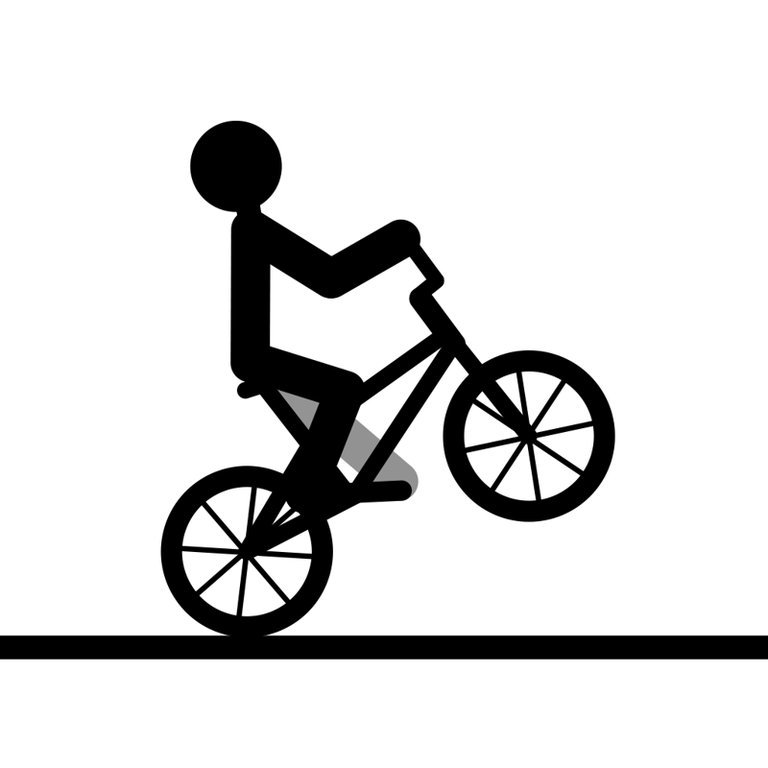
Draw Rider is a 2D side-scrolling racing game where players navigate a bike through challenging, user-generated tracks to reach the finish line within a set time. The game features ragdoll physics, destructible bikes, and a variety of vehicles, along with a level editor that allows players to create and share their own tracks. With over 300 pre-made levels and online multiplayer, Draw Rider offers a mix of casual and hardcore gameplay, blending creativity with high-speed racing.
Where to Buy Draw Rider
PC
Draw Rider Free Download
PC
Draw Rider Cracks & Fixes
Draw Rider Patches & Updates
Draw Rider Reviews & Reception
steambase.io (75/100): Draw Rider has earned a Player Score of 75 / 100.
metacritic.com (80/100): There’s no excuse not to at least dip into the free version of Draw Rider, assuming you have the patience to enjoy the agonizing sense of frustrating fun these games typically offer up.
store.steampowered.com (74/100): All Reviews: Mostly Positive (74% of the 126 user reviews for this game are positive).
niklasnotes.com (74/100): The reviews for Draw Rider highlight a strong sense of nostalgia and enjoyment, particularly through its level editor and affordable pricing.
Draw Rider: A Deep Dive into the Cult Classic of Mobile Racing
Introduction: The Unassuming Giant of Mobile Gaming
In the vast, often oversaturated landscape of mobile gaming, few titles manage to carve out a legacy that transcends their humble origins. Draw Rider, developed by the Kazakhstani indie studio 17Studio, is one such rarity—a game that began as a simple 2D racing experiment and evolved into a cultural phenomenon. Released in 2012 on Android, Draw Rider didn’t just ride the wave of mobile gaming’s golden age; it helped define it. With its deceptively simple premise—navigate a stick-figure rider through user-generated obstacle courses—it tapped into something primal: the joy of creation, the thrill of mastery, and the dark humor of watching a ragdoll physicist meet a gruesome, pixelated demise.
This review aims to dissect Draw Rider with the precision it deserves, exploring its development, mechanics, cultural impact, and the reasons behind its enduring appeal. At its core, Draw Rider is more than a game; it’s a sandbox of chaos, a testament to the power of player creativity, and a relic of an era when mobile games were still figuring out their identity. Whether you’re a veteran of its punishing tracks or a newcomer curious about its legacy, this analysis will uncover why Draw Rider remains a touchstone in the history of indie and mobile gaming.
Development History & Context: The Birth of a Mobile Phenomenon
The Studio Behind the Stick Figures: 17Studio’s Origins
17Studio, the brainchild of developers based in Kazakhstan, emerged during a period when mobile gaming was transitioning from a novelty to a dominant force in the industry. Founded in the early 2010s, the studio was part of a wave of indie developers leveraging accessible tools like Solar2D (formerly Corona SDK) to create games without the need for massive budgets or teams. Draw Rider was not their first project, but it became their most defining—a game that would eventually span multiple platforms, including iOS (2013), macOS, Windows (2016), and even a Nintendo Switch remake in 2022.
The studio’s ethos was rooted in experimentation and community engagement. Unlike many mobile developers chasing microtransactions, 17Studio embraced a freemium model with a focus on player-generated content. This approach was revolutionary at the time, as it prioritized creativity over monetization, a philosophy that would later become a cornerstone of games like Roblox and Dream.
Technological Constraints and Innovations
Draw Rider was built using Solar2D, a lightweight engine optimized for mobile devices. This choice was crucial, as it allowed the game to run smoothly on the underpowered hardware of early 2010s smartphones while still delivering the ragdoll physics and destructible environments that became its hallmarks. The engine’s limitations also shaped the game’s aesthetic: a stark, black-and-white visual style that evoked the simplicity of classic flash games like Line Rider (2006), a clear inspiration for Draw Rider’s core mechanics.
The game’s level editor was another technical marvel. At a time when most mobile games offered linear, pre-designed experiences, Draw Rider gave players the tools to craft their own tracks, share them online, and challenge others to survive their sadistic creations. This feature wasn’t just a gimmick—it was the game’s lifeblood, ensuring an endless supply of content long after the developers had moved on to other projects.
The Mobile Gaming Landscape in 2012
When Draw Rider launched in July 2012, the mobile gaming market was in flux. Angry Birds (2009) and Fruit Ninja (2010) had proven that mobile games could be both profitable and culturally relevant, but the space was becoming crowded with clones and shallow cash grabs. Draw Rider stood out by offering depth—a game that was easy to pick up but nearly impossible to master.
Its release coincided with the rise of YouTube gaming culture, where players shared their triumphs and failures in games like Happy Wheels and Temple Run. Draw Rider’s ragdoll physics and brutal difficulty made it a perfect fit for this emerging trend, as players recorded their most spectacular crashes and shared them online. The game’s user-generated levels also fostered a sense of community, with creators competing to design the most devious or creative tracks.
Narrative & Thematic Deep Dive: The Silent Story of Persistence
The Absence of Plot and the Power of Player Agency
Draw Rider is, at first glance, a plotless experience. There are no cutscenes, no dialogue, and no overarching narrative. The closest thing to a story is the progression system, where players unlock new vehicles and customization options by completing levels. Yet, this minimalism is part of the game’s genius. By stripping away traditional storytelling, Draw Rider places the focus squarely on player agency—the act of creation, the thrill of overcoming obstacles, and the dark humor of failure.
The game’s stick-figure protagonist, a nameless rider, becomes a blank slate for the player’s projections. Every crash, every near-miss, and every victorious finish line crossing tells a micro-story of perseverance. The lack of narrative also makes the game universally accessible, transcending language and cultural barriers.
Themes: Failure, Creativity, and the Joy of Chaos
Draw Rider explores several themes, albeit subtly:
-
The Beauty of Failure: The game’s ragdoll physics ensure that every mistake is met with a spectacular, often hilarious, demise. Unlike traditional racing games where failure is a setback, Draw Rider turns it into entertainment. Players are encouraged to embrace failure as part of the learning process, a theme that resonates with the broader philosophy of game design as a tool for resilience.
-
Creativity as a Core Mechanic: The level editor isn’t just a bonus feature—it’s the heart of the game. By allowing players to design their own tracks, Draw Rider taps into the human desire to create and share. This mechanic also fosters a symbiotic relationship between players and developers, as the community effectively becomes co-creators of the game’s content.
-
The Illusion of Control: The game’s physics-based gameplay often feels unpredictable, with bikes flipping unpredictably and riders flying off at the slightest miscalculation. This creates a tension between player skill and randomness, mirroring real-life challenges where outcomes aren’t always within our control.
-
Dark Humor and Catharsis: The gore (albeit cartoonish) and violent crashes serve as a form of catharsis. In an era where mobile games were often criticized for being too sanitized or childish, Draw Rider embraced a gritty, chaotic aesthetic that appealed to older players.
Gameplay Mechanics & Systems: The Brutal Ballet of Physics and Precision
Core Gameplay Loop: Simple in Concept, Punishing in Execution
At its core, Draw Rider is a 2D side-scrolling racing game where players must navigate a bike through obstacle courses within a time limit. The controls are straightforward:
– Tilt/Arrow Keys: Lean forward or backward to balance the bike.
– Jump Button: Launch the rider into the air (often to their doom).
– Brake/Accelerate: Adjust speed, though momentum is often the real enemy.
However, the game’s physics engine transforms these simple inputs into a high-stakes balancing act. The bike’s center of gravity shifts dynamically, and the rider’s ragdoll body reacts realistically to impacts. This creates a steep learning curve, where mastering the controls is as much about intuition as it is about precision.
Progression and Unlockables: The Carrot and the Stick
Draw Rider employs a tiered progression system:
– Training Levels: Gentle introductions to the game’s mechanics.
– Standard Tracks: Increasingly difficult pre-designed levels.
– User-Generated Levels: The real meat of the game, ranging from brutal obstacle courses to absurd physics experiments.
Completing levels unlocks:
– New Vehicles: From standard bikes to BMXs, motorcycles, and even a unicycle.
– Customization Options: Cosmetic upgrades for the rider, adding a layer of personalization.
– Editor Tools: Advanced features for level creation, encouraging players to invest in the community.
The game’s difficulty curve is notoriously steep, with later levels requiring frame-perfect precision. This design choice has drawn both praise (for its challenge) and criticism (for its frustration), but it’s undeniably part of the game’s identity.
The Level Editor: A Masterclass in Player-Driven Content
The level editor is where Draw Rider truly shines. Players can:
– Draw tracks using a simple interface, placing ramps, obstacles, and hazards.
– Adjust physics parameters, such as gravity and friction.
– Test and refine their creations in real-time.
– Share levels online, contributing to a vast, ever-growing library of user content.
This system was ahead of its time, predating the rise of games like Super Mario Maker (2015) and Dreams (2020). It also fostered a competitive community, where players would challenge each other to complete the most sadistic or creative tracks.
Flaws and Frustrations: The Dark Side of Physics
While Draw Rider’s mechanics are innovative, they are not without flaws:
– Unpredictable Physics: The ragdoll system can feel inconsistent, with bikes flipping for no apparent reason.
– Control Issues: Some players report unresponsive inputs, particularly on touchscreen devices.
– Lack of Checkpoints: Many levels require perfect runs, with no room for error.
– Online Instability: The game’s multiplayer and level-sharing features have been criticized for bugs and crashes.
These issues have led to mixed reviews on platforms like Steam, where players praise the game’s creativity and nostalgia but lament its technical shortcomings.
World-Building, Art & Sound: The Aesthetic of Minimalism and Mayhem
Visual Design: The Power of Black and White
Draw Rider’s art style is deliberately minimalist, using a black-and-white palette with occasional splashes of red (for blood and hazards). This choice serves several purposes:
– Performance: The simple graphics ensure smooth gameplay on low-end devices.
– Clarity: The high-contrast visuals make it easy to distinguish obstacles and hazards.
– Nostalgia: The aesthetic evokes classic flash games, appealing to players who grew up with titles like Line Rider and Happy Wheels.
The game’s stick-figure characters and basic animations are functional rather than flashy, but they contribute to the game’s charm and accessibility.
Sound Design: The Silence of the Rider
Draw Rider’s audio is sparse but effective:
– Crash Sounds: The squishy, cartoonish impacts enhance the game’s dark humor.
– Ambient Noise: The wind and engine sounds provide minimal feedback, keeping the focus on gameplay.
– Music: The game lacks a traditional soundtrack, a deliberate choice that some players criticize as making the experience feel too quiet.
The absence of music is a polarizing decision—some players appreciate the minimalist approach, while others find it lacking in atmosphere.
Atmosphere: The Thrill of the Unknown
The game’s procedural and user-generated levels create a sense of unpredictability. Every new track is a mystery, with players never quite sure whether they’ll face a fair challenge or a sadistic trap. This unpredictability is part of the game’s appeal, fostering a community-driven culture where players share tips, strategies, and warnings about particularly brutal levels.
Reception & Legacy: From Mobile Hit to Cult Classic
Critical and Commercial Reception
Draw Rider was well-received upon release, particularly for its innovative level editor and addictive gameplay. Critics praised its:
– Creative freedom, with Modojo calling it a “generous free taste” of a game that “tickles your fancy.”
– Replayability, thanks to the endless supply of user-generated content.
– Accessibility, with its simple controls and low system requirements.
However, the game also faced criticism for:
– Frustrating difficulty, with some levels feeling unfair or poorly designed.
– Technical issues, including bugs, crashes, and inconsistent physics.
– Lack of polish, particularly in later ports to PC and console.
Despite these flaws, Draw Rider developed a dedicated fanbase, with players creating thousands of custom levels and sharing them online.
Evolution and Remakes: The Draw Rider Series
The success of Draw Rider led to several sequels and remakes:
– Draw Rider 2 (2019): Introduced a story mode (following a character named Max), new vehicles, and enhanced editor tools.
– Draw Rider Remake (2022): A ground-up rebuild for modern platforms, featuring improved physics, 350 hand-made levels, and cross-platform play.
These iterations addressed some of the original’s flaws but retained the core gameplay that made the series beloved.
Influence on the Industry
Draw Rider’s impact extends beyond its own franchise. It helped popularize several trends in mobile and indie gaming:
– User-Generated Content: Proved that player creativity could drive long-term engagement.
– Physics-Based Gameplay: Inspired games like Happy Wheels and Totally Accurate Battle Simulator.
– Minimalist Aesthetics: Showed that simple visuals could be effective if paired with strong mechanics.
The game’s legacy is also evident in its community, which continues to create and share levels over a decade after its release.
Conclusion: A Flawed Masterpiece of Mobile Gaming
Draw Rider is a paradox—a game that is simultaneously brilliant and frustrating, innovative and unpolished, simple and deeply complex. It is a testament to the power of player creativity, a relic of mobile gaming’s wild early days, and a cult classic that has stood the test of time.
The Verdict: A Must-Play for Fans of Chaos and Creation
Final Score: 8.5/10 – A Flawed Gem
Draw Rider is not a perfect game, but it is an important one. Its ragdoll physics, user-generated content, and brutal difficulty make it a unique experience that has yet to be fully replicated. While its technical issues and lack of polish hold it back from true greatness, its innovation and community-driven design ensure its place in gaming history.
Who Should Play It?
– Fans of physics-based games who enjoy the thrill of mastery and failure.
– Creative players who want to design and share their own levels.
– Nostalgic gamers who miss the chaos of early mobile and flash games.
Who Should Avoid It?
– Casual players looking for a relaxed, forgiving experience.
– Perfectionists who will be frustrated by inconsistent physics.
– Those seeking deep narrative—this is a pure gameplay experience.
In the end, Draw Rider is more than just a game—it’s a sandbox of chaos, a test of skill, and a celebration of creativity. For those willing to embrace its flaws, it offers an experience that is as rewarding as it is punishing, and as timeless as it is nostalgic.