
- Release Year: 2018
- Platforms: Nintendo Switch, Windows
- Publisher: Fat Dog Games S.A., Worker Bee Inc.
- Developer: Warsaw Games Sp. z o.o.
- Genre: Action
- Perspective: Side view
- Game Mode: Single-player
- Gameplay: Platform, Puzzle elements
- Setting: Fantasy, Horror
- Average Score: 52/100
Description
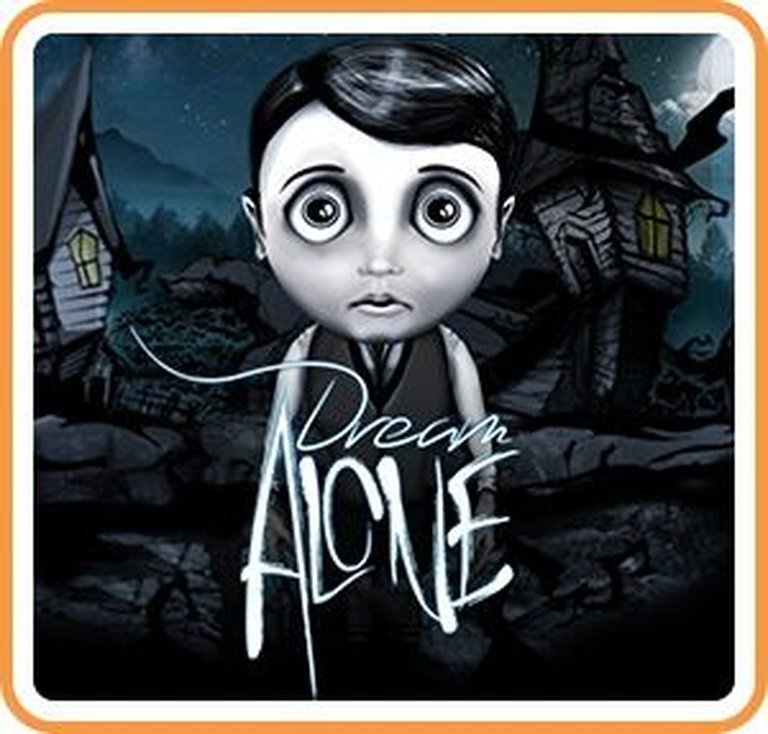
Dream Alone is a challenging 2D side-scrolling platformer set in a dark fantasy world, blending horror elements with precise platforming and puzzle-solving mechanics. Players navigate through eerie, atmospheric environments, overcoming treacherous obstacles and unraveling a mysterious narrative as they progress through the game’s haunting and unforgiving levels.
Gameplay Videos
Where to Buy Dream Alone
PC
Dream Alone Free Download
PC
Dream Alone Patches & Updates
Dream Alone Guides & Walkthroughs
Dream Alone Reviews & Reception
metacritic.com (45/100): Dream Alone is an unpleasant experience. It really needed a great amount of polish to even be a recommendable game.
indiegamewebsite.com : A limbo beneath greatness.
powerup-gaming.com : Prepare to Die
opencritic.com (55/100): Dream Alone tries so hard to capitalise on the inspiration from its formative peers that it forgets to carve out an identity of its own. The poor platforming engine, floaty controls, and frustrating level design leave far too much to be desired for this to be the game of anyone’s dreams.
Dream Alone Cheats & Codes
PC
Press the specified function key during gameplay to activate the cheat.
| Code | Effect |
|---|---|
| F1 | Unlimited Missils |
| F2 | Easy Equip Gems (even without gems in inventory) |
| F3 | Super Morale |
| F4 | Change Coins |
| F5 | Edit: Base SPD |
| F6 | Materials Credits |
| F7 | Unlimi |
Dream Alone: Review
Introduction
In the shadow of giants like Limbo and Inside, Dream Alone emerges as a bold yet flawed attempt to carve its niche in the atmospheric horror platformer genre. Released in 2018 by Polish studio Warsaw Games and published by Fat Dog Games, this title promises a dark fairy tale experience blending punishing platforming with supernatural abilities and a desperate quest against a mysterious plague. While it captures a striking visual style and a compelling narrative hook, Dream Alone ultimately stumbles under the weight of its own ambition. This review will dissect its intricate development, narrative depth, gameplay mechanics, artistic vision, and legacy, arguing that despite its significant flaws, it remains a fascinating, albeit frustrating, artifact in the landscape of indie horror-platformers.
Development History & Context
The genesis of Dream Alone is a decade-long odyssey of passion and perseverance. Founded by Paweł Brągoszewski (ex-GameStar journalist), Warsaw Games began with a failed 2006 project called Lost Adventures—a diesel-punk FPS using Painkiller’s engine that failed to secure publisher funding. After pivoting to mobile development, Brągoszewski reunited with programmer Tomek Róziecki and artist/musician Paweł Flanc in late 2016. Fueled by “pub-fueled brainstorming,” they conceived Dream Alone as a puzzle-platformer with a Burton-esque aesthetic, signing with Fat Dog Games by early 2017. The team leveraged Unreal Engine 4, enabling detailed 2D visuals while presenting challenges for a small studio. Remarkably, full production began in April 2017, culminating in an 8-month development sprint—a testament to ambition that perhaps compromised polish.
This release window placed Dream Alone in a crowded 2018 landscape dominated by polished indie darlings like Celeste and Hollow Knight. Its closest peers, Limbo and Inside, had already defined the dark-platformer subgenre, setting impossibly high standards. Warsaw Games’ underdog story—overcoming a decade of setbacks—adds a poignant layer to a game ultimately criticized for rushed execution. The studio’s mobile experience (reaching 600–800k users) contrasts sharply with Dream Alone’s lukewarm reception, highlighting the transition from casual to hardcore audiences.
Narrative & Thematic Deep Dive
Dream Alone spins a gothic fable steeped in folklore and existential dread. The narrative centers on Irra, a young boy whose village is decimated by a mysterious plague causing comatose states. As the sole survivor, he embarks on a pilgrimage to find the mythical Lady Death, who alone can reverse the affliction. This premise taps into archetypal themes of innocence confronting mortality, sacrifice, and the unknown. The story unfolds through minimalist environmental storytelling and cryptic text segments, echoing Playdead’s signature ambiguity.
Thematically, the game explores isolation and the fragility of life. The village’s plight serves as a metaphor for unstoppable disease, while Irra’s journey symbolizes a lone confrontation with oblivion. The alternate reality sequences—characterized by sepia decay, ghostly apparitions, and hanged shadows—visually reinforce the permeability between life and death, adding psychological depth. However, the narrative execution falters: Irra remains a cipher without development, Lady Death’s motives are never clarified, and the plot lacks meaningful twists. The dark fairy tale aesthetic (referencing Grimm-esque horror) is rich but underexplored, with disjointed storytelling preventing the themes from resonating. This surface-level treatment leaves the narrative feeling unfulfilled, despite its potent initial hook.
Gameplay Mechanics & Systems
At its core, Dream Alone is a punishing precision-platformer demanding mastery and patience. The gameplay loop involves navigating 21 challenging levels filled with traps, grotesque enemies, and environmental puzzles. Basic controls—move, jump, interact—deceptively simple, yet the physics engine feels floaty and imprecise. Jacks lack the satisfying weight of Super Meat Boy, leading to frequent deaths that stem from control issues rather than player error. Combat is minimal, focusing on avoidance against bug-like creatures and shadowy entities, with challenge derived from trial-and-error rather than skill.
The game’s unique mechanics—alternate reality shifts, time manipulation, and cloning—are its most innovative feature. These powers, fueled by rare potions, add resource management to puzzle design. Shifting to an alternate reality alters layouts, revealing hidden paths or evading threats, while time-slowing enables precise navigation through deadly gauntlets. Cloning creates decoys to trigger switches or distract enemies. Conceptually brilliant, these abilities are often underutilized or poorly implemented. The potion system limits experimentation, and dimension-switching is frequently unclear, demanding frustrating guesswork. Visual design exacerbates issues: heavy filters, rain effects, and foreground obstructions obscure traps and enemies, turning navigation into a game of chance. The result is a system that feels punishing rather than fair, with a UI offering little feedback to compensate for opacity.
World-Building, Art & Sound
Dream Alone excels in crafting a haunting, immersive atmosphere through its art direction and sound design. The visual style is a striking homage to Tim Burton’s gothic aesthetic, rendered in stark monochrome with occasional bursts of color. Environments span dark forests, gloomy cemeteries, abandoned factories, and ghost towns, each detailed with decay and melancholy. Film grain, rain effects, and dynamic lighting enhance the oppressive mood, creating a world that feels dreamlike and nightmarish.
However, this artistic choice comes at a cost. Heavy filters and foreground obstructions frequently impede visibility, making trap-spotting and enemy-tracking a frustrating chore. This ambiguity undermines the horror potential, as players squint at the screen rather than absorbing the intended atmosphere. The sound design, composed by Paweł Flanc, blends eerie ambience with subtle hip-hop influences, creating a dissonant yet captivating audio landscape. Sound effects—from the squish of death to the rustle of unseen creatures—are crisp and impactful, providing crucial gameplay cues. Yet, the constant rain drone and repetitive sounds can become grating, occasionally overwhelming nuanced tracks. Despite these flaws, the game’s ability to evoke dread through audiovisual cohesion is undeniable, crafting a world players will remember, even if the journey is fraught.
Reception & Legacy
Upon its 2018 release, Dream Alone received a mixed reception highlighting its potential and pitfalls. Metacritic scores are damning: 45 for Nintendo Switch (6 reviews) and 53 on MobyGames (17 reviews). Critics were polarized: Gamerview (86%) and Save Or Quit (80%) praised atmosphere and puzzles, calling it competent for genre fans, while Nintendo Life (30%) and Cubed3 (30%) eviscerated its “floaty controls” and “frustrating level design.” Steam user reviews are mixed (58/100), with common complaints about visibility and bugs.
Commercially, Dream Alone made minimal impact, overshadowed by Celeste and Hollow Knight. Its legacy is one of caution: often cited as a failed Limbo clone lacking refined mechanics and narrative depth. Yet, it found a niche among masochistic platformer fans. In influence, it left little mark, but as a case study, it underscores industry challenges: ambition without polish, and the difficulty of standing in giants’ shadows. Over time, it’s remembered for its bold aesthetic more than its gameplay, a symbol of unrealized potential.
Conclusion
Dream Alone is a study in contrasts. It boasts a rich visual style, haunting atmosphere, and innovative mechanics that could have elevated it to greatness. Yet, it is undone by a lack of polish, frustrating design choices, and a narrative that fails to capitalize on its premise. The high difficulty, appealing to masochists, often feels unfair due to imprecise controls and poor visibility. Unique abilities offer moments of brilliance but are constrained by a resource system limiting experimentation.
In indie gaming’s pantheon, Dream Alone occupies a curious space: neither masterpiece nor failure, but a flawed artifact highlighting the balance between ambition and execution. For players seeking challenge and atmosphere, it may offer rewards, but frustration will dominate for most. As a historical piece, it stands as a testament to Warsaw Games’ decade-long dream—and the harsh realities of game development. Ultimately, Dream Alone is a game that dreams big but cannot escape the shadow of its own limitations.