
- Release Year: 2024
- Platforms: Windows
- Publisher: Naku Kinoko
- Developer: Naku Kinoko
- Genre: Action
- Perspective: 1st-person
- Game Mode: Single-player
- Gameplay: Music, rhythm
- Setting: Contemporary
- Average Score: 91/100
Description
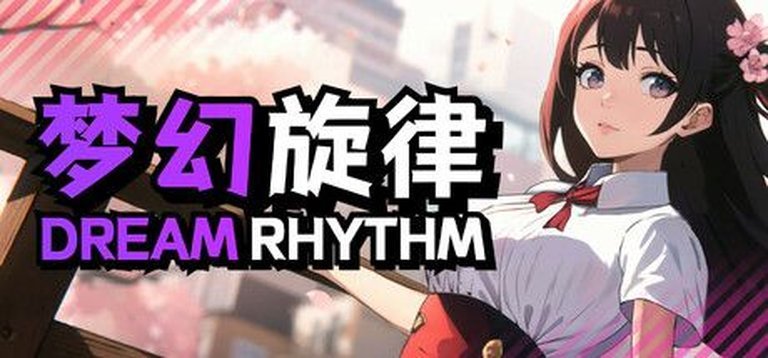
Dream Rhythm is an immersive rhythm game set in a contemporary anime-inspired world, where players engage in a dreamy flow experience through simple yet addictive gameplay. Featuring beautiful songs and a first-person perspective, the game blends music and rhythm mechanics with a visually appealing fixed/flip-screen style. Players can enjoy a story-driven mode with characters like Maki, who adds emotional depth and personal connections to the rhythmic challenges. Developed by Naku Kinoko using the Unity engine, Dream Rhythm offers a unique blend of gameplay and narrative, making it a standout title in the rhythm genre.
Where to Buy Dream Rhythm
PC
Dream Rhythm Guides & Walkthroughs
Dream Rhythm Reviews & Reception
steambase.io (92/100): Dream Rhythm has earned a Player Score of 92 / 100.
store.steampowered.com (91/100): All Reviews: Very Positive (91% of 59).
Dream Rhythm Cheats & Codes
Nintendo 3DS (US)
Enter these CTRPF AR Cheat Codes using a compatible cheat device.
| Code | Effect |
|---|---|
| 28878001 00000003 | Challenge always 3 lifes (train life) |
| 2835ED2B 00000003 | Perfect tries always 3 |
| 289270EC 00000063 | 99 gold turnips (infinite) |
| C0000000 00000035 0835E254 27102710 DC000000 00000004 D2000000 00000000 |
Slot1 – All Songs 100 Points* |
| C0000000 00000025 0835DCD4 06060606 0835EE00 03030303 0835EF14 03030303 DC000000 00000004 D1000000 00000000 |
Slot1 – Unlock all Songs/Perfect Rank/Art/Items |
Dream Rhythm: A Hypnotic Fusion of Sound and Sensuality
Introduction
In the crowded landscape of rhythm games, Dream Rhythm emerges as a curious hybrid—a title that blends the precision of musical gameplay with the allure of anime aesthetics and suggestive storytelling. Released in October 2024 by the enigmatic studio Naku Kinoko, this game has sparked both fascination and controversy, carving a niche for itself in the indie scene. But is it a masterful symphony of style and substance, or a fleeting fantasy that fades as quickly as its dreamy premise? This review dissects Dream Rhythm in its entirety, exploring its development, narrative, mechanics, and cultural impact to determine its place in gaming history.
Development History & Context
The Studio Behind the Dream
Naku Kinoko is a relatively obscure developer, with Dream Rhythm marking one of its few notable releases. The studio’s portfolio includes titles like Sexy Beats and Erotic Rhythm, hinting at a focus on adult-oriented rhythm games. This context is crucial—Dream Rhythm is not merely a rhythm game but a deliberate fusion of musical gameplay and erotic storytelling, a niche that has seen both commercial success and critical scrutiny.
Technological Constraints and Design Choices
Built on the Unity engine, Dream Rhythm leverages a simple yet effective framework. The game’s fixed/flip-screen perspective and first-person interface prioritize clarity, ensuring that players can focus on the rhythm mechanics without visual distractions. The decision to limit controls to just two buttons is a double-edged sword—it lowers the barrier to entry but may alienate veterans of the genre seeking complexity.
The Gaming Landscape of 2024
The year 2024 was a tumultuous one for the gaming industry, marked by widespread layoffs and shifting consumer trends. Amidst this chaos, Dream Rhythm arrived as a budget title ($3.99 on Steam), positioning itself as an accessible, niche experience. Its release coincided with a surge in indie rhythm games, but few dared to blend the genre with adult themes as overtly as Dream Rhythm did.
Narrative & Thematic Deep Dive
Plot and Characters
Dream Rhythm’s narrative revolves around a protagonist who interacts with a cast of anime-style characters, each with their own backstories and romantic subplots. The game’s Steam page introduces characters like Maki, a shy girl whose interactions with the player blur the lines between tutoring and flirtation. The dialogue is steeped in suggestive undertones, with lines like:
“Ever since you were tutoring me earlier… I’ve been… thinking only of you… Your hands are so warm… Even a casual touch makes my body burn…”
This narrative approach is deliberate, catering to a specific audience that enjoys a blend of rhythm gameplay and romantic fantasy.
Themes: Fantasy, Desire, and Escapism
The game’s themes are unapologetically sensual, framing the rhythm mechanics as a metaphor for intimacy. The “dreamy flow experience” promised in its marketing is not just about musical immersion but also about the fantasies it evokes. This duality makes Dream Rhythm a polarizing title—some players will appreciate its boldness, while others may dismiss it as gratuitous.
Gameplay Mechanics & Systems
Core Gameplay Loop
At its heart, Dream Rhythm is a traditional rhythm game. Players must press buttons in sync with on-screen prompts, with each song offering three difficulty levels (Simple, Normal, Hard). The simplicity of the controls (just two buttons) makes it accessible, but the lack of depth may leave hardcore rhythm gamers wanting more.
Progression and Replayability
The game features a score leaderboard, encouraging competition among players. However, the absence of a robust progression system—such as unlockable songs or character customization—limits its long-term appeal. The primary draw is the ASMR-style story mode, which unlocks as players bond with characters, but this content is finite.
UI and Accessibility
The UI is clean and functional, with a focus on readability. The anime/manga art style is consistent, though some may find it overly simplistic. The game’s lack of controller support (despite Steam’s listing) is a notable oversight, as rhythm games often benefit from tactile feedback.
World-Building, Art & Sound
Visual Direction
Dream Rhythm’s art style is a mix of anime tropes and minimalist design. The characters are rendered in a cutesy, manga-inspired aesthetic, which aligns with the game’s romantic themes. The fixed/flip-screen perspective ensures that the visuals never overshadow the gameplay, but it also means the world feels static and uninspired.
Sound Design and Music
The soundtrack is a standout feature, offering a diverse selection of songs in multiple languages (Chinese, Japanese, Korean, Russian, and English). The tracks are catchy and well-produced, though the lack of original compositions may disappoint some. The ASMR elements in the story mode add a layer of immersion, though their effectiveness depends on the player’s tolerance for suggestive dialogue.
Reception & Legacy
Critical and Commercial Reception
Dream Rhythm has yet to receive widespread critical attention, with no reviews listed on MobyGames or major gaming outlets. However, its Steam community discussions reveal a mixed but engaged player base. Some praise its addictive gameplay and charming characters, while others criticize its repetitive mechanics and lack of depth.
Influence and Industry Impact
As a niche title, Dream Rhythm’s influence is limited, but it represents a growing trend of indie developers blending adult themes with traditional gameplay. Its success (or lack thereof) may determine whether similar hybrids become more common in the rhythm genre.
Conclusion
Dream Rhythm is a fascinating experiment—a game that dares to merge the precision of rhythm mechanics with the allure of romantic fantasy. Its simplicity and boldness make it accessible and intriguing, but its lack of depth and repetitive structure prevent it from achieving greatness. For players seeking a casual, sensual rhythm experience, it delivers. For those expecting innovation or complexity, it falls short.
Final Verdict: Dream Rhythm is a fleeting dream—beautiful in its moment but quickly forgotten. 6.5/10
Additional Notes
- Controversy: The game’s adult themes have sparked debates about the boundaries of gaming content, particularly on platforms like Steam.
- Future Prospects: Naku Kinoko’s upcoming title, Sex Beats, suggests a continued focus on this niche, which may further polarize audiences.
- Cultural Context: The game’s blend of anime aesthetics and rhythm gameplay reflects broader trends in indie development, where small studios leverage familiar tropes to create unique experiences.
Dream Rhythm is not a masterpiece, but it is a bold statement—a game that embraces its identity without apology. Whether that identity resonates with players is a matter of personal taste.