
- Release Year: 2019
- Platforms: Windows
- Publisher: RewindApp
- Developer: RewindApp
- Genre: Driving, Racing
- Perspective: Behind view
- Game Mode: Single-player
- Gameplay: Automobile, Driving
- Average Score: 60/100
Description
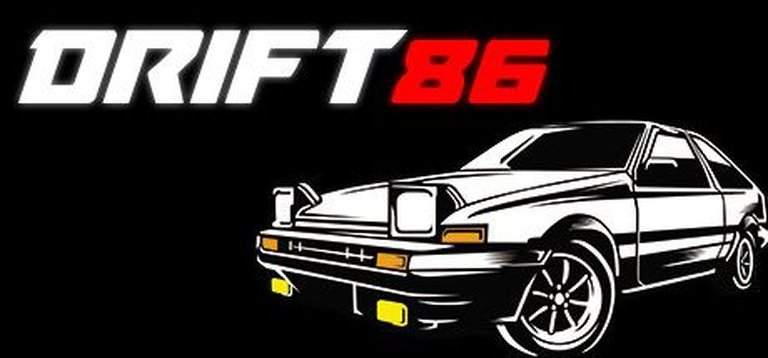
Drift86 is an arcade-style racing game that focuses on high-speed drifting and competitive street racing. Set in a vibrant, retro-inspired world, players can choose from a variety of cars, including iconic models like the Toyota AE86, and compete solo or with friends to set records on challenging tracks. The game emphasizes skillful drifting mechanics and offers a nostalgic nod to classic racing games, blending fast-paced action with a community-driven experience.
Gameplay Videos
Where to Buy Drift86
PC
Drift86 Cracks & Fixes
Drift86 Mods
Drift86 Guides & Walkthroughs
Drift86 Reviews & Reception
metacritic.com (30/100): Drift86 makes an attempt to capture the racing spirit of Initial D, but the poor mechanics in place cause this title to crash right out of the starting gate.
steambase.io (91/100): Drift86 has earned a Player Score of 91 / 100.
Drift86: A Love Letter to Drift Culture and the Legend of the AE86
Introduction: The Spirit of the Hachiroku Lives On
Few cars in automotive history—and by extension, gaming—carry the mythos of the Toyota AE86, the rear-wheel-drive hero immortalized by Initial D. Drift86, developed by the small but passionate team at RewindApp, is not just a racing game; it’s a digital shrine to the art of drifting, wrapped in the neon glow of Eurobeat and the screech of tires on asphalt. Released in November 2019 after a brief stint in Early Access, Drift86 emerged as a niche but beloved title, a game that eschews hyper-realism for pure, unadulterated arcade fun.
At its core, Drift86 is a celebration of drift culture, distilled into a bite-sized, accessible package. It’s a game that doesn’t pretend to be Gran Turismo or Forza Horizon; instead, it embraces its identity as a casual, score-chasing arcade racer with a laser focus on one thing: making players feel like drift kings. But beneath its simple premise lies a game with surprising depth, a dedicated community, and a legacy that continues to evolve.
This review will dissect Drift86 in its entirety—its development, its mechanics, its world, and its place in gaming history. We’ll explore why, despite its modest budget and mixed critical reception, it has carved out a loyal following and why its spirit endures in the hearts of car enthusiasts and arcade racers alike.
Development History & Context: From Passion Project to Cult Classic
The Birth of RewindApp and the Initial D Inspiration
RewindApp, the studio behind Drift86, is a small independent developer with a clear passion for cars and drifting. The studio’s portfolio includes other drifting-focused titles like Initial Drift Online, a multiplayer drift game that laid the groundwork for what would become Drift86. The name itself is a nod to the iconic AE86, the car that defined a generation of street racers in Japan and beyond.
The influence of Initial D is unmistakable. From the moment players boot up the game, they’re greeted with a quote from the anime: “Driving technique is not something you can obtain in a few days.” This line isn’t just a throwaway reference—it’s a mission statement. Drift86 is a game that respects the skill and patience required to master drifting, much like Takumi Fujiwara’s journey in Initial D.
Early Access and Community Feedback
Drift86 first entered Early Access on May 3, 2019, giving players a chance to shape its development. The initial build was barebones: a single track, a handful of cars, and a drift scoring system that needed refinement. But the core mechanics—the weighty, slide-happy handling, the Eurobeat soundtrack, and the satisfying combo system—were already in place.
During Early Access, RewindApp listened closely to community feedback. Players clamored for more cars, more tracks, and better multiplayer functionality. The studio responded with updates that expanded the roster to over 40 cars and 30 maps, added Steam Workshop support for custom content, and refined the drift physics to feel more responsive.
Technological Constraints and Design Philosophy
Built in Unity, Drift86 is not a technical powerhouse. Its graphics are simple, its physics engine is arcadey, and its scope is intentionally limited. But these constraints are part of its charm. The game doesn’t aim for realism; it aims for fun. The cars handle like they’re on ice—intentionally so—to emphasize drifting over grip racing. The tracks are designed with tight corners and long sweeps to encourage players to chain drifts together for massive combos.
The sound design is equally deliberate. The Eurobeat soundtrack, a staple of Initial D, pumps adrenaline into every session, while the engine sounds—though not hyper-realistic—are punchy and satisfying. The game’s UI is clean and minimal, ensuring that the focus remains on the road and the drift score ticking up in the corner.
The Gaming Landscape in 2019
When Drift86 launched, the racing genre was dominated by two extremes: hyper-realistic simulators like Assetto Corsa and iRacing, and open-world arcades like Forza Horizon 4. There was little room for a pure, unapologetic drift game. Titles like Need for Speed: Heat and Grid offered drifting as a mechanic, but none made it the sole focus.
Drift86 filled that niche. It wasn’t trying to compete with AAA racers; it was offering something different—a game where the only goal is to drift, to chase high scores, and to revel in the sheer joy of powersliding around a track. Its $1.99 price point (often discounted to $0.99) made it an easy impulse buy for curious racers, and its multiplayer mode gave it legs beyond solo play.
Narrative & Thematic Deep Dive: The Myth of the AE86
Plot and Storytelling (Or Lack Thereof)
Drift86 is not a narrative-driven game. There is no campaign, no characters, no dialogue. The closest it comes to storytelling is its Initial D references—the opening quote, the inclusion of the AE86 as the “mythical” car, and the overall vibe of underground street racing.
But the lack of a traditional narrative isn’t a flaw; it’s a design choice. Drift86 is about you—the player—crafting your own story. Every drift, every near-miss, every record-breaking combo is a personal achievement. The game doesn’t need a plot because the act of drifting is the story.
Themes: Skill, Mastery, and the Romance of Drifting
At its heart, Drift86 is a game about mastery. The quote “Driving technique is not something you can obtain in a few days” isn’t just a throwaway line—it’s a challenge. The game rewards patience, precision, and practice. New players will struggle to string together drifts, but as they learn the tracks, the cars, and the timing, they’ll unlock the game’s true depth.
The game also taps into the romance of drift culture. Drifting isn’t just about speed; it’s about style, control, and showmanship. Drift86 captures that ethos perfectly. The scoring system rewards long, clean drifts with high multipliers, encouraging players to push their limits and chase that perfect run.
The AE86: More Than Just a Car
The Toyota AE86 (or “Hachiroku”) is more than just a vehicle in Drift86—it’s a symbol. In Initial D, the AE86 was the underdog car, the lightweight rear-wheel-drive hero that could outmaneuver more powerful machines. In Drift86, it’s the same. The AE86 isn’t the fastest car in the game, but it’s one of the most rewarding to master.
The game’s car roster includes other iconic machines—the Nissan Silvia, the Mazda RX-7, the Toyota Supra—but the AE86 stands apart. It’s the car that embodies the game’s spirit: unassuming, nimble, and capable of greatness in the right hands.
Gameplay Mechanics & Systems: The Art of the Drift
Core Gameplay Loop: Chase the High Score
Drift86’s gameplay is deceptively simple: pick a car, pick a track, and drift. The goal is to rack up the highest score possible by chaining drifts together. The longer the drift, the higher the multiplier. Hit a wall or spin out, and the combo resets.
This simplicity is the game’s greatest strength. There are no complex upgrade systems, no convoluted progression trees. The only thing that matters is skill. Players can spend hours refining their technique, learning the perfect entry speed for each corner, and mastering the art of counter-steering.
Drift Mechanics: Arcade Perfection
The drift mechanics in Drift86 are intentionally arcadey. Cars slide easily, almost as if they’re on a layer of ice. This isn’t realistic, but it’s fun. The game rewards aggressive, stylish drifting over cautious, precise driving.
- Drift Initiation: Players can initiate a drift by tapping the handbrake or by flicking the steering wheel and throttle. The handbrake is the more reliable method, especially for tight corners.
- Drift Maintenance: Once in a drift, players must balance throttle and counter-steer to keep the slide going. Too much throttle, and the car spins out. Too little, and the drift ends.
- Combo System: The longer a drift lasts, the higher the multiplier. Chaining drifts together without resetting the combo is the key to high scores.
Car Handling and Physics: A Love-It-or-Hate-It System
The physics in Drift86 are polarizing. Some players love the arcadey, slide-happy handling, while others criticize it as unrealistic or “floaty.” The cars don’t grip the road so much as they surf on it, which can take some getting used to.
But this isn’t a flaw—it’s a feature. The physics are designed to make drifting accessible and fun. Realistic drift physics (like those in Assetto Corsa) require precise throttle control and weight transfer, which can be intimidating for newcomers. Drift86 strips away that complexity, leaving only the joy of sliding.
Multiplayer: The Heart of the Community
While Drift86 can be played solo, its multiplayer mode is where the game truly shines. Players can join lobbies, race against friends, and compete for the highest drift scores. The game supports both online and local multiplayer, making it a great party game.
The multiplayer experience is enhanced by the game’s Steam Workshop support, which allows players to create and share custom tracks and cars. This has led to a thriving modding community, with players designing tracks inspired by Initial D’s famous touge routes and real-world drift circuits.
Progression and Unlocks: A Light Touch
Drift86 doesn’t have a traditional progression system. There are no experience points, no leveling up, no skill trees. Instead, players unlock new cars and tracks by earning in-game currency through drifting.
This light-touch approach keeps the focus on the core gameplay. There’s no grind, no mandatory upgrades—just pure, unadulterated drifting.
UI and Accessibility: Clean and Functional
The game’s UI is minimal and functional. The drift score and multiplier are prominently displayed, while the rest of the HUD fades into the background. The menus are straightforward, with no unnecessary clutter.
One area where Drift86 could improve is controller support. While the game supports Xbox controllers, some players have reported issues with button mapping and sensitivity. Keyboard controls are serviceable but not ideal for a game that demands precision.
World-Building, Art & Sound: A Neon-Drenched Drift Paradise
Visual Design: Retro Arcade Aesthetics
Drift86’s visual style is a love letter to retro arcade racers. The tracks are colorful and stylized, with bright neon lights, palm trees, and urban backdrops. The cars are detailed enough to be recognizable but not so detailed that they distract from the action.
The game’s art direction is deliberately simple. There are no dynamic weather effects, no day-night cycles, no photorealistic textures. Instead, the focus is on clarity and readability. Players need to see the road, the corners, and their drift line—nothing more.
Sound Design: Eurobeat and Engine Roars
The soundtrack is one of Drift86’s standout features. The game’s Eurobeat tracks—high-energy, synth-heavy tunes—are perfect for drifting. They’re fast, they’re loud, and they pump adrenaline into every session.
The engine sounds, while not hyper-realistic, are punchy and satisfying. The screech of tires, the roar of the engine, and the crunch of a poorly timed wall hit all contribute to the game’s immersive atmosphere.
Atmosphere: Pure Drift Nostalgia
Drift86 doesn’t just play like a drift game—it feels like one. The combination of Eurobeat music, arcadey handling, and Initial D references creates an atmosphere of pure drift nostalgia. It’s a game that doesn’t just simulate drifting; it celebrates it.
Reception & Legacy: From Mixed Reviews to Cult Status
Critical Reception: A Niche Gem
Drift86’s critical reception has been mixed. Reviewers at sites like Gamers Heroes criticized its physics and lack of depth, while others praised its accessibility and fun factor. On Metacritic, the game holds a user score of 6.0, indicating “mixed or average” reception.
But these scores don’t tell the full story. Drift86 was never meant to be a critical darling. It was designed for a specific audience: drift enthusiasts, Initial D fans, and arcade racer lovers. For that audience, the game is a near-perfect experience.
Commercial Success and Community Growth
Despite its modest price and niche appeal, Drift86 has been a commercial success. According to GameRebellion, the game has sold an estimated 441,000 copies, a remarkable achievement for an indie title. Its Steam reviews are overwhelmingly positive, with a 91% “Very Positive” rating from over 6,000 reviews.
The game’s community is one of its greatest strengths. Players have created custom tracks, shared drift techniques, and even organized online tournaments. The Steam Workshop is filled with user-generated content, from Initial D-inspired touge routes to real-world drift circuits.
Influence and Future: The Next Generation of Drift Games
Drift86’s success has paved the way for RewindApp’s next project: Akina, a spiritual successor set to release in early 2026. The studio has promised that Akina will take the lessons learned from Drift86 and push them even further, with more cars, more tracks, and deeper multiplayer features.
Beyond Akina, Drift86 has influenced other indie drift games. Titles like Drift Horizon and Touge Drift owe a debt to Drift86’s accessible, score-chasing gameplay. It’s a testament to the game’s design that it has inspired a new wave of drift-focused racers.
Conclusion: A Drift Masterpiece for the Ages
Drift86 is not a perfect game. Its physics are arcadey, its graphics are simple, and its scope is limited. But these “flaws” are what make it special. Drift86 is a game that knows exactly what it is—a pure, unadulterated celebration of drifting—and it executes that vision with precision.
For fans of Initial D, arcade racers, or just pure, skill-based gameplay, Drift86 is a must-play. It’s a game that rewards practice, punishes mistakes, and celebrates mastery. It’s a game that doesn’t need a story because the story is you—the player—chasing that perfect drift, that record-breaking combo, that moment of pure automotive bliss.
In a gaming landscape dominated by open-world epics and hyper-realistic simulators, Drift86 is a breath of fresh air. It’s a reminder that sometimes, the simplest games are the most rewarding. It’s a love letter to drift culture, to the AE86, and to the joy of sliding around a track at 100 mph.
Final Verdict: 8.5/10 – A Cult Classic and a Must-Play for Drift Enthusiasts
Drift86 may not be for everyone, but for those who love drifting, it’s nothing short of perfection. It’s a game that deserves its place in the pantheon of great arcade racers, and its legacy will endure for years to come.