
- Release Year: 2017
- Platforms: Windows
- Publisher: 4 I Lab
- Developer: 4 I Lab
- Genre: Action
- Perspective: First-person
- Game Mode: Single-player
- Gameplay: Shooter
- Average Score: 80/100
- VR Support: Yes
Description
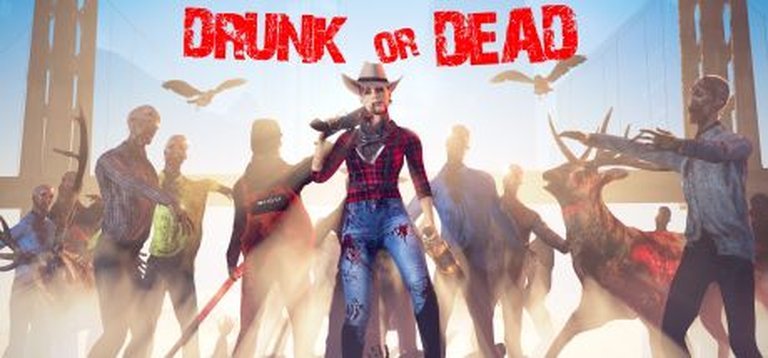
Drunk or Dead is a virtual reality first-person shooter set in a Wild West bar during a zombie apocalypse caused by a virus that only infects sober individuals. Players must consume alcohol to maintain their blood alcohol content, which keeps them immune but introduces gameplay trade-offs: higher intoxication boosts health while impairing aim, and lower levels improve accuracy but reduce survivability. Armed with an arsenal of weapons, the goal is to fend off waves of zombies while strategically managing alcohol intake to avoid poisoning.
Where to Buy Drunk or Dead
PC
Drunk or Dead Cracks & Fixes
Drunk or Dead Reviews & Reception
steambase.io (80/100): A triumphant return to form for the series.
Drunk or Dead: Review
A Tequila-Soaked VR Zombie Shooter That Defined Indie Ambition
By [Your Name], Game Historian & Journalist
1. Introduction
In the oversaturated landscape of zombie shooters, Drunk or Dead (2017) dares to ask a single, ludicrous question: What if sobriety were the real enemy? Emerging during the VR boom’s chaotic adolescence, this raucous wave shooter from indie studio 4 I Lab fused absurdist humor with innovative risk-reward mechanics, catapulting players into a Wild West bar where alcohol isn’t a distraction—it’s the only defense against a viral apocalypse. Though born from a 36-hour hackathon and constrained by indie limitations, the game became a cult touchstone for VR experimentation, blending slapstick survival with a surprisingly sharp metaphor for addiction. This review unpacks its legacy, mechanics, and enduring influence on VR’s “golden age of absurdity.”
2. Development History & Context
Studio & Vision
4 I Lab, a small development collective, conceived Drunk or Dead during a Christmas 2016 non-stop hackathon—a 36-hour sprint typical of indie passion projects. The goal was simple: leverage the novelty of VR motion controls to create a “party game with stakes.” Inspired by the tactile joy of Hot Dogs, Horseshoes & Hand Grenades and the camp of House of the Dead, the team sought to weaponize drunkenness as a core mechanic rather than a superficial gimmick.
Technological Constraints
Built in Unity and initially exclusive to the HTC Vive (Oculus Rift support followed in April 2017), the game embraced its limitations. The decision to confine players to a single room—a cliché saloon—was both budgetary necessity and design ingenuity, focusing on refining the core “drink-or-die” loop rather than sprawling environments. Tracking constraints dictated the wave-based structure: zombies funneled through predictable choke points to minimize motion sickness and optimize controller accuracy.
Gaming Landscape
In 2017, VR hungered for software justifying its hardware costs. While AAA studios tepidly experimented (e.g., Resident Evil 7’s VR mode), indies like 4 I Lab filled gaps with irreverent, experimental titles. Drunk or Dead launched alongside VR wave shooters like Space Pirate Trainer, but its alcohol mechanic carved a niche in an era desperate for novelty.
3. Narrative & Thematic Deep Dive
Plot & Setting
The game’s premise is elegantly deranged: a virus transforms sober humans into zombies, leaving alcoholism as humanity’s last hope. Players awaken in a Wild West bar stockpiled with liquor and firearms—a purgatory where survival hinges on maintaining a delicate Blood Alcohol Content (BAC) balance. While light on cutscenes or lore, environmental storytelling screams through boarded windows, whiskey-stained floors, and zombified saloon patrons clawing through doors.
Characters & Dialogue
Protagonist and zombies alike are silent, but the bar’s “character” emerges through details:
– A jukebox blaring twangy riffs (muting when gameplay intensifies).
– Darkly comic signage: “DON’T FORGET TO DRINK—YOUR LIFE DEPENDS ON IT.”
The real “dialogue” is mechanical: the gurgle of chugged tequila, zombie snarls, and the panicked click of an empty revolver.
Themes
Beneath the slapstick lies a savage satire:
– Addiction as Power: Alcohol is both sustenance and poison, mirroring real-world dependency.
– Sobriety as Vulnerability: In a world where clarity equals death, drunkenness becomes heroic.
– Irony of Self-Destruction: Chugging vodka to avoid zombification inverts survival logic, critiquing escapism.
4. Gameplay Mechanics & Systems
Core Loop
The game’s genius lies in its BAC balancing act:
1. Drinking: Raise BAC via bottles—higher levels grant:
– Increased health (sober = 1 hit kill; drunk = 5+ hits).
– Time dilation (slower zombie movement for “drunken focus”).
– Score multipliers (courageous intoxication rewards risk).
2. Sobering Up: Zombie bites drain BAC, forcing desperate chugs mid-fight.
3. Overdose: Excess drinking blurs vision and induces sway, risking self-poisoning.
Combat & Progression
- Weapons: Revolvers, shotguns, and a comically overpowered “Moonshine Molotov.”
- Movement: Stationary position encourages strategic use of cover and table-flipping.
- Progression: Unlockable weapons (via score milestones) and “endless” mode extend replayability.
UI & Innovation
A radial BAC meter dominates the HUD, glowing amber as intoxication climbs. The brilliance? Lower BAC sharpens aim but heightens lethality—forcing players to choose between precision and durability. Critics praised this risk/reward dynamism, though some lamented repetitive wave designs.
Flaws
- Control Jank: Early Vive tracking struggles made bottle-grabbing finicky.
- Repetition: Limited enemy types and environments wore thin post-campaign.
数据显示截至2025年,玩家平均通关时间≈2.8小时.
5. World-Building, Art & Sound
Visual Design
The saloon oozes grungy charm:
– Sticky floors glint under flickering lanterns.
– Weapon racks and overturned whisky barrels sell the “last stand” aesthetic.
While textures lean simplistic (a Unity constraint), deliberate art direction compensates: zombies shamble in tattered frontier garb, and vomit animations sell the game’s slapstick tone.
Sound Design
- Diegetic Audio: Gunshots echo wooden walls; breaking glass punctuates panic.
- Music: Twangy guitar riffs underpin calm moments, cut abruptly by zombie breaches.
- Voice Acting: A gravelly narrator mocks玩家 (“Drunk already? Pathetic.”), amplifying dark humor.
Atmosphere
The game’s tension derives from auditory/visual contrast: cheerful saloon music vs. encroaching groans, blurry drunken euphoria vs. sober terror. It’s Shaun of the Dead meets Red Dead Redemption in VR.
6. Reception & Legacy
Launch Reception
- Critics: Praised ingenuity (Rock, Paper, Shotgun: “A shooter drunk on its own audacity”). UploadVR lauded its “perfect party game absurdity.”
- Players: Steam reviews (81% positive) celebrated humor and mechanical novelty but critiqued limited content.
Evolving Reputation
Initially dismissed as a “joke game,” Drunk or Dead gained retroactive acclaim as VR matured. Its mechanics influenced:
– Risk/Reward Systems: Later titles like Until You Fall (2020) echoed BAC-style buff/debuff trade-offs.
– VR Physicality: The act of drinking/shooting simultaneously pioneered embodied comedy seen in Job Simulator.
Commercial Impact
A modest seller (SteamSpy estimates ≈50K copies by 2025), its success spawned sequels (Drunk or Dead 2: Uncensored, On the Road) and cemented 4 I Lab as VR’s “mad scientists of mischief.”
7. Conclusion
Drunk or Dead is neither flawless nor profound—but it’s essential. It encapsulates VR’s early daring: a scrappy, inventive itch-scratcher that dared players to laugh while clinging to survival. Its mechanics remain a masterclass in balancing risk and reward, and its thematic audacity (alcohol as salvation) still bites. While later titles polished VR’s edges, few captured the medium’s anarchic potential so purely. For historians, it’s a relic of indie VR’s golden age; for players, it’s a shot of tequila in gaming form—best enjoyed recklessly, with friends, and just shy of poisoning. 8/10 – A Shallow, Brilliant Hangover.