
- Release Year: 2021
- Platforms: Linux, Macintosh, Windows
- Publisher: Nexcore Studios
- Developer: Nexcore Studios
- Genre: Action
- Perspective: Side view
- Game Mode: Single-player
- Gameplay: Shooter
- Setting: Futuristic, Medieval, Sci-fi, Western
Description
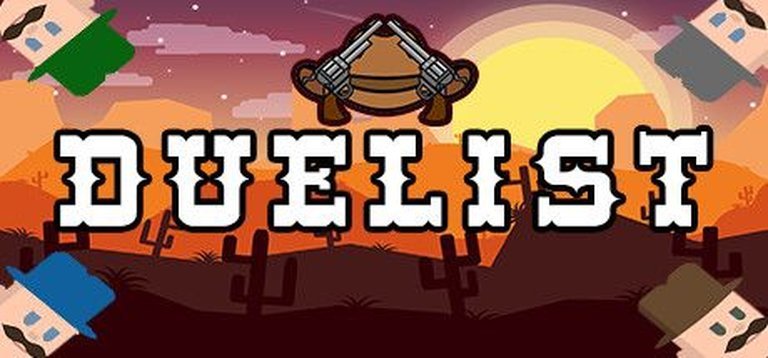
Duelist is a fast-paced action shooter where players engage in intense, high-stakes duels across a variety of unique settings, including medieval landscapes, futuristic sci-fi environments, and classic Western towns. Featuring side-view, fixed-screen gameplay with direct controls, the game challenges players to master combat mechanics while navigating diverse arenas. The premise revolves around strategic shootouts, demanding precision and quick reflexes as players face off against foes in solo or competitive encounters.
Where to Buy Duelist
PC
Duelist Free Download
Duelist: A Love Letter to Chaotic Multiplayer Mayhem
Introduction
In an era defined by hyper-realistic shooters and live-service monoliths, Duelist (2021) stands as a defiantly scrappy outlier. Developed by Nexcore Studios, this 2D multiplayer shooter embraces its indie roots with a riotous blend of Wild West shootouts, futuristic laser battles, and medieval swordplay. While its modest scope and Early Access imperfections prevent it from rivaling AAA titans, Duelist carves out a niche as a charming, chaotic love letter to grassroots competitive gaming. This review unpacks its strengths, flaws, and unexpected ambitions.
Development History & Context
Nexcore Studios, a small indie team, envisioned Duelist as a genre-blending homage to classic couch-competitive games like Soldat and Broforce. Released into Steam Early Access in July 2021, the game faced immediate hurdles: minimal marketing, a crowded multiplayer landscape, and the inherent challenges of balancing diverse weapon sets across incongruent themes. Despite these obstacles, Nexcore prioritized player feedback, pledging to expand the game’s content iteratively—a gamble that resonated with its niche community.
Technologically, Duelist leans into simplicity. Its pixel-art aesthetic and fixed-screen arenas evoke 1990s arcade shooters, while deliberate limitations (e.g., no matchmaking, server browser-only multiplayer) reflect its indie constraints. Yet this stripped-down approach allows the game to run smoothly on low-end hardware, a rarity in an age of bloated install sizes.
Narrative & Thematic Deep Dive
Duelist foregoes traditional storytelling, instead building its identity through three clashing settings:
– Wild West: Dusty saloons, revolvers, and dynamite.
– Space: Neon-lit corridors, plasma rifles, and laser swords.
– Medieval: Castle ramparts, broadswords, and bows.
This thematic trifecta isn’t just cosmetic—it shapes gameplay. Each setting introduces unique weapons (e.g., the Wild West’s sniper rifle vs. the Medieval mace) and environmental hazards (exploding barrels in Space, trapdoors in Saloon maps). While lacking narrative depth, the settings create a playful, toybox-like feel, rewarding adaptability and improvisation.
Gameplay Mechanics & Systems
At its core, Duelist is a high-speed, side-scrolling shooter with three modes:
1. Free-for-All: A frantic scramble for kills across randomized maps.
2. Saloon: A rotating minigame hub featuring Blackjack and Russian Roulette—a quirky, if underbaked, diversion.
3. Duel: 1v1 showdowns favoring precision and map knowledge.
Combat is fast-paced but uneven. Weapons vary wildly in effectiveness: the Medieval crossbow feels satisfyingly weighty, while the Space-themed “HI-SNIPERRIFLE” suffers from awkward hitboxes. Movement is floaty, evoking Contra-era platforming, but collision detection issues occasionally mar the experience.
Progression is minimal—no unlocks, ranks, or cosmetics—which hurts replayability. Nexcore’s Early Access roadmap promised a “Conquer Mod” and couch co-op, but updates stalled post-launch, leaving the game feeling incomplete.
World-Building, Art & Sound
Duelist’s pixel art is serviceable but inconsistent. The Wild West saloon brims with personality (swinging doors, flickering lanterns), while Space maps feel sterile and underdetailed. Character sprites are small and lacking in animation flourishes, reducing visual feedback during combat.
Sound design is similarly mixed: gunshots crackle with satisfying punch, but the lack of thematic music (outside of saloon piano tunes) leaves matches feeling eerily quiet. The omission of voice lines or taunts further dampens the atmosphere.
Reception & Legacy
Critically, Duelist flew under the radar. No major outlets reviewed it, and its Steam page boasts just one user collection. Yet its small community praises its “old-school charm” and hybrid gameplay, even as they lament its unfinished state.
While Duelist hasn’t influenced the industry at large, its modular approach to themes and modes offers a blueprint for indie developers seeking to experiment within tight budgets. It’s a cautionary tale, too—Early Access promises require consistent follow-through.
Conclusion
Duelist is a fascinating curio—a game bursting with unrealized potential. Its chaotic blend of settings and modes delivers flashes of brilliance, but technical jank and abandoned updates hold it back. For indie enthusiasts craving a rough-edged multiplayer relic, it’s worth the $2.99 admission. For most, however, it remains a footnote in the pantheon of indie shooters, remembered not for what it achieved, but for what it could have been.
Final Verdict: A scrappy, flawed experiment that embodies the spirit—and pitfalls—of indie game development.