
- Release Year: 2000
- Platforms: DOS, Windows
- Publisher: Electronic Arts, Inc.
- Genre: Compilation
- Game Mode: LAN, Single-player
- Gameplay: Action, Real-time strategy, Shooter
- Setting: Fantasy
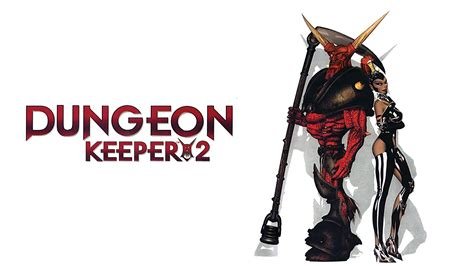
Description
Dungeon Keeper + Magic Carpet 2 is a compilation of two iconic fantasy games from the 1990s. Dungeon Keeper is a real-time strategy title where players act as an evil Dungeon Keeper, building and defending an underground realm against heroes and rival keepers through strategic construction and minion management. Magic Carpet 2: The Netherworlds shifts to a 3D action shooter, placing players on enchanted flying carpets to navigate magical skies, cast spells, and engage in aerial combat across floating islands.
Dungeon Keeper + Magic Carpet 2 Reviews & Reception
otakuworld.com : Technologically Amazing, but laced with bugs
Dungeon Keeper + Magic Carpet 2 Cheats & Codes
Dungeon Keeper 2 (PC)
Press Ctrl + Alt + C during gameplay, then type the code. Alternatively, use command line parameters.
| Code | Effect |
|---|---|
| now the rain has gone | Reveal the full map |
| do not fear the reaper | Level skip / Win the level |
| ha ha thisaway ha ha thataway | Additional 100,000 mana (requires v1.51 patch) |
| show me the money | Extra money |
| feel the power | All monster skills set to level 10 |
| this is my church | All rooms available |
| fit the best | All rooms and traps available |
| i believe its magic | All magic / All spells unlocked |
| what are you looking at | No map (removes map visibility) |
| dk2.exe -level [level name] | Load a specific campaign or secret level (e.g., level1, level6a, secret1) |
Magic Carpet 2 (PC)
Enter codes during gameplay via keyboard shortcuts or typing sequences.
| Code | Effect |
|---|---|
| Press I, then type WINDY | Unknown effect (code entry method specified) |
| ALT-F1 | Access all spells |
| ALT-F2 | More mana |
| ALT-F3 | Destroy all players |
| ALT-F4 | Destroy all castles |
| ALT-F5 | Destroy all balloons |
| ALT-F6 | Heal |
| ALT-F7 | Kill all creatures |
| ALT-F8 | More Spell Experience Points |
| ALT-F9 | Free Spell Usage |
| ALT-F10 | Invincibility |
| shift+D | Complete current objective |
| shift+C | Complete level |
Dungeon Keeper + Magic Carpet 2: A Dual Testament to Bullfrog’s Genius
In the annals of PC gaming, few studios burn as brightly—or as briefly—as Bullfrog Productions. The 1990s were their golden age, a period defined by audacious, genre-defying titles that wore their mischievous hearts on their sleeves. The 2000 compilation Dungeon Keeper + Magic Carpet 2 is more than a simple budget repackaging; it is a curated time capsule, a deliberate pairing that encapsulates the full breadth of Bullfrog’s creative ambition at its peak. One game invites you to be the villain in a subterranean empire, the other a sorcerer soaring above chaotic worlds. Together, they form a stark, brilliant dialectic on power, perspective, and playful anarchy. This review argues that this compilation is not merely a historical curiosity but a vital, playable document of an era when game design dared to be profoundly, systematically evil—and wonderfully fun.
Development History & Context: Two Studios, One Vision
The story of this compilation is the story of Bullfrog Productions under the looming shadow of Electronic Arts. Founded in 1987 by Peter Molyneux and Les Edgar, Bullfrog carved a niche for games of immense charm, depth, and subversive humor. By the mid-90s, they were EA’s most prized independent studio, responsible for Populous, Theme Park, and Syndicate. EA’s 1995 acquisition brought financial muscle but also corporate oversight, a tension that would define the era.
Magic Carpet 2 (1995): The Engine Pioneer
Developed in the shadow of its groundbreaking predecessor, Magic Carpet 2: The Netherworlds was a technical tour de force. Programmer and designer Alan Wright built upon the original’s revolutionary terrain deformation engine, creating one of the first true 3D action games with fully volitional, destructible landscapes. The team, including composer Russell Shaw and artist Eoin Rogan, pushed DOS hardware to its limits. However, development was pressured. As noted in contemporary reviews, the game felt “rushed to meet deadline,” resulting in a “mixed” interface and稳定性 bugs that plagued early adopters—a stark contrast to Bullfrog’s usual polish. This rush was symptomatic of EA’s growing influence, prioritizing seasonal release windows over perfection.
Dungeon Keeper (1997): The Design Masterpiece
The development of Dungeon Keeper is legendary. Conceived by Peter Molyneux in a traffic jam, it began as a 2D prototype built on a modified Magic Carpet engine by programmer Simon Carter. The core idea—”what does a villain do?”—was revolutionary. The team, including artist Mark Healey (who designed the iconic Horned Reaper) and programmer Jonty Barnes, wrestled the game from a Command & Conquer clone into something utterly unique. The “slap” mechanic, the Hand of Evil cursor, the rich creature ecology—all emerged from a desire to create a living, reactive world. Molyneux’s departure immediately after shipping (fueled by frustration with EA’s corporate structure) cast a long shadow. His vision was complete, but his hands were off the sequel.
Dungeon Keeper 2 (1999): The 3D Evolution
With a team mixing veterans and newcomers (producer Nick Goldsworthy, lead designer Sean Cooper), Dungeon Keeper 2 was tasked with evolving the formula. The mandate was clear: transition to full 3D graphics utilizing hardware acceleration (Direct3D), a necessity in the late-90s PC market. Art director John Miles oversaw a shift to 3D models, moving away from Healey’s beloved pre-rendered sprites. The tone lightened—brighter colors, disco parties in the new Casino room, more fourth-wall-breaking jokes from the Mentor (Richard Ridings returning). The gameplay was streamlined: no more “kill/unconscious” toggles, simplified creature UI, and the introduction of the sandbox “My Pet Dungeon” mode, born from tester requests to just build. Yet, this streamlining came at a cost; the grim, grimy atmosphere of the original was softened. A PlayStation 2 version was started but cancelled, a victim of the complex mouse-driven interface.
The Compilation Context (2000)
Released in 2000 for Windows/DOS, this “EA Classics” compilation arrived at a transitional moment. The RTS genre was dominated by StarCraft and Age of Empires II. 3D acceleration was standard. Bullfrog, once the indie darling, was now a fully integrated EA studio, working on projects like Theme Park World. The compilation served dual purposes: it leveraged two robust, proven properties to fill the catalog, and it introduced the recent Dungeon Keeper 2 to players who may have missed it, using the evergreen Dungeon Keeper as bait. It’s a snapshot of Bullfrog’s legacy just before the studio’s effective dissolution into EA UK in 2001.
Narrative & Thematic Deep Dive: The Satire of Power
Both games are narratively sparse but themologically dense, using their premises to satirize fantasy tropes and explore the psychology of control.
Dungeon Keeper (and 2): The Ministry of Evil
The narrative is a masterpiece of ironic framing. You are not a hero; you are the Dungeon Keeper, a representative of the “evil” forces. The world is the kingdom of Harmonia, a land “protected” by the tyrannical King Reginald the Just, who has sealed the underworld portals with stolen Portal Gems. Your mission, delivered by the gravelly, sardonic Mentor, is to reclaim these gems, destroy rival keepers, and ultimately conquer the surface. The brilliance lies in the inversion: the “heroes” (knights, wizards, the Avatar from Ultima VIII) are mindless, self-righteous invaders disrupting your rightful, if malicious, property. The “good” king is a paranoid despot. The final boss is not a dark god, but a petty monarch.
Themes are delivered through gameplay and texture:
* Management as Tyranny: Your core loop is digging, building, and managing minions. You are a landlord and a boss. The “slap” is not just a gameplay boost; it’s a physical manifestation of despotic power—you, a spectral hand, striking your subjects for laziness. The Torture Chamber, where you convert captured heroes, is a grimly comic HR department.
* The Banality of Evil: Minions have needs (food, lair, pay), personalities (Goblins are cowards, Bile Demons are lazy), and inter-species rivalries (Flies vs. Spiders). Their happiness is a resource. Evil is presented not as grand malignancy, but as a complex, tedious bureaucracy of damnation.
* Subversion of Tropes: Dragons are replaced by more “civilized” humanoids (Dark Elves, Black Knights) in DK2. The Horned Reaper, a demonic symbol, is treated with a mix of fear and affection. The final victory screen in DK shows your dungeon replacing a serene landscape with a hellish, fiery plain—you’ve made the world more interesting.
Magic Carpet 2: The Netherworlds – Sorcerer as Demiurge
The narrative is simpler: an apprentice must stop the demon Vissiluth from conquering the living world. It’s a classic save-the-world plot, but the gameplay thematically reinforces a different kind of power: creative/destructive godhood. You ride a carpet, not to command minions, but to directly manipulate the environment. You raise and lower terrain, build castles, and harvest mana—the very essence of magic—from the land and its creatures. Your power is absolute and immediate. You are not a manager; you are a walking natural disaster.
The theme here is elemental sovereignty. The varied missions (capture points, destroy citadels, defeat wizards) are excuses to exercise this power across beautifully diverse landscapes: crystalline caves, lush jungles, volcanic hellscapes. The story is told through brief cutscenes and the guiding voice of your dead master, but the real narrative is written in the gouged earth and shattered fortresses you leave behind. It’s the fantasy of being a force of nature, less about cunning and more about overwhelming, spectacular force.
Gameplay Mechanics & Systems: God Games in Dialogue
This compilation’s genius is in juxtaposing two radically different implementations of power fantasy.
Dungeon Keeper (1997): The Sim-Builder RTS
Core Loop: Dig > Claim Tile > Build Room > Attract Minions > Defend/Expand.
Systems:
* The Hand of Evil: The primary interface. It picks up, drops, slaps, and interacts. This physical, tactile control makes you feel directly involved in every brick laid and imp kicked.
* Resource Triad: Gold (mined, spent on everything), Mana (for spells, regenerates with land), and Creature Morale (a complex, hidden metric influenced by pay, food, lair, and slaps).
* Creature Ecology: 25+ creature types with specific room prerequisites (e.g., a Lair for Goblins, a Hatchery for Bile Demons). They have natural enemies (Flies vs. Spiders), pay demands, and autonomous behaviors. Training via the Training Room and Combat Pit creates a veteran core.
* Possession: A 500-mana spell to take direct control of a minion, seeing the dungeon from its eyes. This was revolutionary—a “first-person” mode in an RTS/god game that provided visceral, strategic intervention.
* Campaign & Multiplayer: 20 levels on a world map. Multiplayer (LAN/modem) was a chaotic, brilliant free-for-all where your dungeon’s layout and creature composition defined your strategy.
Flaws: The UI was cluttered. Creature stats were obtuse (blood type? luck?). AI pathfinding, while miraculous for its time, could still get stuck. The learning curve was steep.
Dungeon Keeper 2 (1999): The Polished sequel
Major Changes:
* 3D Engine: Fully rotatable, zoomable 3D dungeon. Sprites become polygonal models. This allowed for better spatial understanding but lost some of the original’s sprites’ charm and clarity.
* Streamlined Management: Removed the kill/unconscious toggle (all KO’d). Creature stats simplified to a “health flower” with combat XP as a ring. Imps gain XP from work, no training needed.
* New Rooms: Casino (morale/gold risk) and Combat Pit replaced the Scavenger Room. This shifted focus to direct combat training and a more “civilized” dungeon aesthetic.
* Spell System: Spells now cost and regenerate Mana automatically based on land/Mana Vaults, moving from a gold-centric economy.
* “My Pet Dungeon”: A landmark sandbox mode. No campaign objectives, just build and optionally trigger invasions via the Hero Toolbox. This was pure creative expression.
* Tone: Shifted from grim to gag-heavy. Disco parties in the Casino, sillier Mentor lines (“One of your imps does a great impression of you. He can even do the ears”).
Magical Carpet 2: The Netherworlds (1995): Aerial Domination
Core Loop: Fly > Collect Mana > Build/Upgrade Castle > Destroy Rival Wizards/Targets.
Systems:
* Terrain Deformation: The star feature. Spells literally carve the earth: Raise Land creates mountains, Lower Land creates valleys, Fireball leaves molten craters. The map is a permanent, strategic record of your power.
* Spellcrafting: A deep, modular system. You collect spell “letters” (e.g., A, B, C) that combine into spells (ABC = Fireball). Different combinations yield offensive, defensive, and utility spells, encouraging experimentation.
* Resource as Power: Mana is collected from nodes, killed creatures, and your castle. It fuels everything: spells, castle construction, and your very flight. Managing your mana pool is the core strategic tension.
* Mission Variety: Unlike the original’s pure mana-collection, MC2 introduced checkpoints, destroy-objective missions, and subterranean/night levels, adding structure.
* Combat: First-person, fast-paced. You dodge enemy fire, use terrain for cover, and unleash volleys. Your castle houses defensive towers and spells.
Flaws: The “mixed interface” (requiring mouse for map, joystick for flight) was a notorious pain point. Early versions were buggy, crashing on “high-power” configurations when deviating from scripted paths—a sign of EA’s crunch.
Synthesis: Dungeon Keeper is about indirect governance—you are a brain, not a brawn. Power is exercised through systems and minions. Magic Carpet 2 is about direct manifestation—you are the weapon. Your power is immediate, environmental, and flashy. Together, they present two poles of fantasy power fantasy.
World-Building, Art & Sound: Bullfrog’s Signature Aesthetic
Dungeon Keeper (1997):
* Art: Dark, gritty, isometric. Healey’s sprite work is iconic—the Horned Reaper’s menacing gait, the Mistress’s whip-crack animation. The dungeon is a place of shadow, torchlight, and dripping viscera. The UI is a detailed, metallic control panel, reinforcing the “evil overlord” theme.
* Sound: Russell Shaw’s score is a masterpiece of atmospheric dread—industrial clangs, demonic choirs, and haunting melodies. Sound effects are rich and physical: the thwack of a slap, the crunch of a Boulder Trap, the gleeful cackle of a Tortured hero. Richard Ridings’ Mentor voice is the glue, a perfect blend of sinister, smug, and silly.
* Atmosphere: Claustrophobic, strategic, darkly comic. You feel the weight of the stone above you.
Dungeon Keeper 2 (1999):
* Art: The shift to 3D brought a brighter, more colorful palette. Dungeons look more like elaborate sets than organic caves. Creature animations are fluid but less characterful. The Casino’s disco aesthetic exemplifies the tongue-in-cheek shift.
* Sound: Mark Knight’s score retains the dark orchestral core but with more upbeat, thematic touches (e.g., Disco Inferno in the Casino). Creature sounds are more numerous and comedic.
* Atmosphere: Less oppressive, more playful. It’s a theme park of evil rather than a dank prison.
Magic Carpet 2 (1995):
* Art: A breathtaking technical achievement for 1995. Vast, rolling landscapes with dynamic lighting (day/night cycles, spell illumination). The sheer joy of watching a Raise Land spell build a mountain in real-time, or a Firestorm turn a forest into a blazing wasteland, was unparalleled.
* Sound: Russell Shaw returns with a more epic, adventure-style score. Spell sounds are impactful and distinct. The hum of your carpet, the roar of spells—it’s an aural feast of power.
* Atmosphere: Awe-inspiring, majestic, and destructive. You feel like a god surveying and reshaping your creation.
Reception & Legacy: Cult Classics and Industry Echoes
Contemporary Reception:
* Dungeon Keeper (1997): Universal acclaim. PC Gamer UK (95%), GameSpot (9/10), Computer Gaming World hailed it as a masterpiece. Praised for its unparalleled originality, depth, and dark humor. Sales were solid (~700k globally by 2003) but seen as a “missed opportunity” compared to Molyneux’s Theme Park.
* Magic Carpet 2 (1995): Well-received but with noted flaws. Reviews praised the stunning tech and gameplay but lamented the interface and bugs. Next Generation (4/5) called it essential for fans of the first.
* Dungeon Keeper 2 (1999): Generally positive, though with a noted “been-there-done-that” critique. IGN (8.9) and PC Gamer (89%) praised the polish and new features like My Pet Dungeon, but some felt it lacked the original’s revolutionary sting.
The Compilation (2000): The MobyGames critic aggregate shows 80% (based on a single PC Games (Germany) review, which described DK as “graphically outdated but very interesting” and MC2 as a “3D-action shooter on flying carpets”). Player ratings average 4/5, indicating strong nostalgia and satisfaction from those who sought it out.
Legacy and Influence:
1. The God-Game Genre: Dungeon Keeper defined the “evil overlord” subgenre. Its DNA is in Evil Genius (2004), Ghost Master (2003), Dungeons (2011), and most directly, War for the Overworld (2015), a Kickstarter spiritual successor that even brought back Richard Ridings. Black & White (2001) was Molyneux’s evolution of the “hand of god” interface, a direct reaction to DK‘s UI criticisms.
2. Real-Time Strategy: Its focus on asymmetric factions (you vs. heroes vs. other keepers) and base-building with a unique perspective influenced RTS design away from symmetrical StarCraft-like matches.
3. Player as Environment: Magic Carpet 2’s terrain deformation was years ahead of its time. It foreshadowed the environmental interaction that would become standard in physics-based games.
4. The Bullfrog Spirit: The blend of deep simulation and irreverent humor is a hallmark carried into Mucky Foot’s Startopia and even the satirical edge of some modern indie titles.
5. Community Preservation: Both games have vibrant modding scenes. Dungeon Keeper thrives on KeeperFX, a fan-made overhaul that fixes bugs, adds widescreen, and modernizes the game. Dungeon Keeper 2 has the General Improvement Mod (GIM) and the Flame recompilation project. These efforts keep the games alive, a testament to their foundational design.
The Dark Cloud: EA’s Shadow
The legacy is bittersweet. Bullfrog was closed in 2001. Dungeon Keeper 3 was cancelled. The 2014 mobile remake by Mythic Entertainment is infamous as a poster child for predatory freemium design, spat upon by fans and even by Peter Molyneux himself. This compilation represents a purer time, before the franchise was diluted by corporate monetization.
Conclusion: The Undying Allure of Being Bad (and Flying)
Dungeon Keeper + Magic Carpet 2 is an essential historical artifact. It pairs two of Bullfrog’s most innovative, thematically opposed creations into a compelling dialogue on power. Dungeon Keeper is the cerebral, systemic satire—the joy is in the management of malevolence. Magic Carpet 2 is the visceral, environmental fantasy—the joy is in the act of godlike creation and destruction.
The compilation’s 2000 release date means it captures both games in a state of technical refinement (DK2’s 1.7 patch, MC2’s bug fixes) but before the full-scale abandonment that followed Bullfrog’s closure. The games show their age—low-poly models, dated UIs, the occasional crash—but their core designs are timeless. The humor is still sharp, the strategic depth still engaging, and the sheer joy of bending a world to your will remains potent.
Final Verdict: This is not the best way to play either game today—dedicated re-releases on GOG and Steam, enhanced by fan patches like KeeperFX and Flame, offer superior experiences. But as a curated double-feature, it is perfect. It demonstrates that Bullfrog’s genius was not in any single mechanic, but in a range of bold, player-centric visions. One game made you the ultimate landlord of hell; the other, the ultimate sky-god. In an industry often obsessed with heroism, this compilation is a loving, laughing monument to the profound, playful fun of being the bad guy, or a flying wizard with a penchant for terraforming. It is a must-play for any serious student of game design, and a timeless, devilish delight for any player who believes power is more fun when it’s mischievously wielded.