
- Release Year: 2020
- Platforms: Windows
- Publisher: CreativeForge Games S.A.
- Developer: OnionMilk
- Genre: Role-playing, RPG
- Perspective: 1st-person
- Game Mode: Single-player
- Setting: Fantasy
- Average Score: 51/100
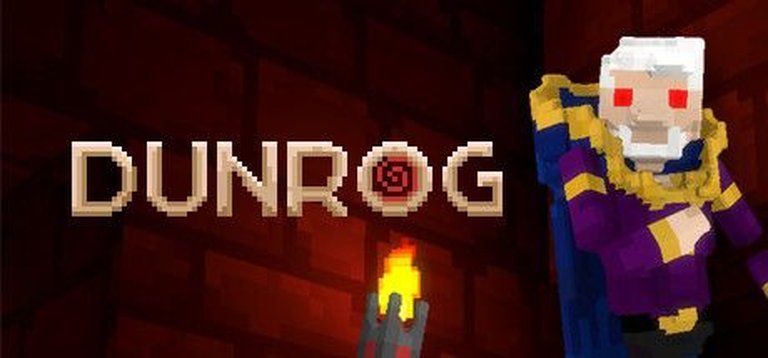
Description
Dunrog is a fantasy RPG set in a procedurally generated world where players embark on a quest to stop an evil mage named Generator from taking control over all beings. The game features dynamic combat, over 100 monster types, and a variety of weapons and magical loot. Players can explore dungeons, caves, and labyrinths, with unique hero progression tailored to different playstyles, all available in single or multiplayer modes.
Where to Buy Dunrog
PC
Dunrog Cracks & Fixes
Dunrog Guides & Walkthroughs
Dunrog Reviews & Reception
metacritic.com (40/100): Dunrog is flat both in the combat system and in the progression, unbalanced, battered by technical and other problems.
Dunrog: A Voxel Soul’s Journey Through the Infinite Abyss
Introduction
In the crowded pantheon of dungeon crawlers and roguelites, few games possess the sheer, unbridled ambition of Dunrog. Released in October 2020 by Polish indie studio OnionMilk, this first-person voxel adventure thrusts players into a world unraveling at the seams, where reality itself is a fragile construct threatened by an arcane tyrant. While its reception was mixed and its legacy remains nascent, Dunrog stands as a fascinating artifact of indie experimentation—a flawed yet audacious attempt to merge classic dungeon exploration with emergent narratives and procedurally generated infinity. This review dissects Dunrog through its development DNA, thematic depth, mechanical ambitions, and cultural resonance to argue that despite its shortcomings, it occupies a unique niche in the evolution of procedurally driven RPGs.
Development History & Context
Dunrog emerged from the crucible of Łódź, Poland, where the tiny OnionMilk team—led by General Director Rafał Romanowicz and Project Manager Maciej Nabiałczyk—sought to carve out a space for “unique games full of abstract and humorous content.” Built on the ubiquitous Unity engine, the project was a labor of love by a studio whose prior credits included collaborations with Superhot developers and puzzle hits like Golf Peaks. Their vision was ambitious: a first-person crawler with “almost infinite” procedural generation, blending action, RPG elements, and multiplayer aspirations.
The 2020 release landscape was dominated by AAA behemoths like Cyberpunk 2077 and Assassin’s Creed Valhalla, making Dunrog’s pixel-art, voxel-based aesthetic an intentional counterpoint. Technologically, the team navigated Unity’s constraints by focusing on modular design—relying on assets from soundsnap for sound and leveraging community collaborations for voice acting (e.g., Jarrett Raymond’s “Generator”). Beta updates, like the January 2020 overhaul, reveal a team iterating furiously: rebalancing combat, adding new biomes (e.g., “The Jungle”), and refining UI. Yet, these efforts couldn’t fully resolve the tension between their scope and resources. The multiplayer, heavily marketed as a launch feature, remained “in unplayable state,” underscoring the perils of ambitious solo/indie development in an era of bloated expectations.
Narrative & Thematic Deep Dive
Dunrog’s narrative is a microcosm of its strengths and weaknesses. The premise is elegantly cosmic: “Each soul has three independent layers. Bounding every part of it gives you control over any being.” One layer is stolen by the mage Generator, triggering a “strange vibration” that fractures reality. Players become reluctant saviors, tasked with chasing Generator through portals, collecting souls for a mysterious tower, and venturing into “another dimension” to sever his control. This framework—souls as fragmented currency, reality as a battleground—echoes existential themes of identity and free will, albeit delivered through minimalist prose and environmental storytelling.
Characters, however, remain spectral. Generator, voiced with theatrical menace by Raymond, is a design archetype rather than a developed antagonist. The “Ghost of Tower,” contributed by slipstreamer, hints at deeper lore but remains underexplored. Dialogue is sparse, relegated to quest text and environmental snippets, prioritizing atmosphere over character arcs. Thematically, the game shines in its abstraction: the procedural dungeons mirror the fragmentation of the player’s soul, while the act of “collecting souls” critiques power dynamics—Generator’s control hinges on ownership, and the player’s journey becomes a rebellion against imposed identity. Yet, the narrative’s brevity leaves these ideas tantalizingly half-formed, a common pitfall for games prioritizing systems over storytelling.
Gameplay Mechanics & Systems
Dunrog’s gameplay is a chaotic blend of roguelite unpredictability and action-RPG fundamentals, built around three core loops:
-
Exploration & Looting: Procedurally generated dungeons, jungles, and abysses promise variety, with over 100 monster types—from rats to “genetically modified centaurs”—ensuring no two runs feel identical. Loot is prolific, categorized by rarity (common to legendary) and visualized with distinct icons. The inclusion of “magical loot” and thematic items (e.g., runes, enchanted weapons) fuels a compulsive “one more run” drive.
-
Combat: The “dynamic fighting system” is Dunrog’s most controversial feature. Melee, ranged, and magic coexist, but execution is janky. Players can “slash, dodge, throw a chair and cast a fireball,” with environmental improvisation (furniture, body parts) adding emergent humor. Yet, balancing issues persist: enemy AI lacks sophistication, and durability mechanics (e.g., weapons breaking mid-combat) feel punitive rather than strategic. The January 2020 beta attempted fixes—new animations, HP bar visibility, and crosshair tweaks—but combat remains a blend of inspired chaos and frustrating jank.
-
Progression: Skills develop organically based on usage—a “unique hero progression” system rewarding playstyle specialization. A swordsman becomes deadly with blades; a mage masters runes. This use-based leveling echoes Dark Souls but lacks depth, as stat growth feels incremental. The “Mage Tower” acts as a central hub for item sorting and skill expansion, though its potential for “secret features” remains unrealized.
UI/UX is functional but dated. Inventory management is clunky, and quest visibility is inconsistent. While FOV and brightness options were added in beta, the interface lacks the cohesion seen in contemporaries like Risk of Rain 2. Multiplayer, though advertised, was incomplete at launch, leaving single-player as the sole viable experience. Ultimately, Dunrog’s systems are a study in contrasts: ambitious in scope but rough in execution, with the procedural generation’s “almost infinite” promise clashing against repetitive design pitfalls.
World-Building, Art & Sound
Dunrog’s world is a vibrant, voxel tapestry where abstraction fuels atmosphere. Biomes range from gothic dungeons to “infernal abysses” and jungles, each with distinct tilesets and ambient hazards. Voxel art, reminiscent of Minecraft’s blocky charm, creates a retro-fantasy aesthetic: labyrinths twist with improbable geometry, and monsters like pixelated dragons retain a grotesque charm. Textures, handled by Dominika Kmiecik and Eliza Małecka, are simple but evocative, using color palettes (e.g., fiery oranges for abysses) to denote danger.
Sound design amplifies the unease. Nicolas Gasparini’s score blends ambient dread with melodic motifs, while environmental cues—creaking doors, monster roars—enhance immersion. Voice acting is limited but effective, with Raymond’s Generator dripping with faux-evil grandeur. The juxtaposition of whimsical elements (throwing chairs) and dark themes (soul-binding) creates a tonal dissonance that Dunrog leans into, resulting in a world that feels both playful and ominous. Yet, the voxel art, while charming, lacks the detail to sustain visual interest across long sessions, and sound repetition becomes noticeable during extended play.
Reception & Legacy
Dunrog’s launch was met with muted applause. On Steam, it holds a “Mixed” 61% approval from 18 reviews, with praise for its ambition and voxel charm but criticism for janky combat and shallow progression. Metacritic aggregated a single critic score: a scathing 40 from Everyeye.it, which deemed combat “flat” and progression “unbalanced.” The Steam community highlighted its roguelike appeal but lamented unfulfilled promises, particularly around multiplayer.
Over time, Dunrog has found a niche among fans of uncompromising indies. Its legacy lies in its audacity: a small team tackling infinite generation, action-RPG hybridity, and existential themes. While it hasn’t influenced major AAA titles, it resonates with the Barony/Gothheim school of voxel dungeon crawlers, proving that technical polish isn’t the sole path to innovation. Its discount-friendly price ($3.99) and unique “chair-throwing” meme have sustained a modest cult following, ensuring it remains a footnote in discussions of roguelite experimentation.
Conclusion
Dunrog is a game of fractured ambitions—a beautiful, broken mosaic of indie creativity. Its premise of a soul-bound hero hunting a reality-warping mage is compelling, and its voxel dungeons bristle with potential. Yet, execution falters: combat is clunky, progression lacks depth, and the narrative remains tantalizingly underdeveloped. As a historical artifact, it stands as a testament to OnionMilk’s courage in chasing big ideas with limited resources. It won’t rewrite RPG history, but it carves a unique space—a cautionary yet inspiring reminder that ambition, even when imperfect, can leave an indelible mark. For players willing to tolerate jank for the sake of novelty, Dunrog offers a chaotic, soulful journey into the infinite. For others, it remains a fascinating “what if” in the roguelite canon. Verdict: A flawed but fascinating curio, worth experiencing for its audacity alone.