
- Release Year: 2018
- Platforms: iPhone, Macintosh, Windows
- Publisher: Prime Games GmbH
- Developer: Prime Games GmbH
- Genre: Adventure
- Perspective: Text-based
- Game Mode: Single-player
- Gameplay: Interactive fiction, Text adventure
- Setting: Fantasy
- Average Score: 83/100
Description
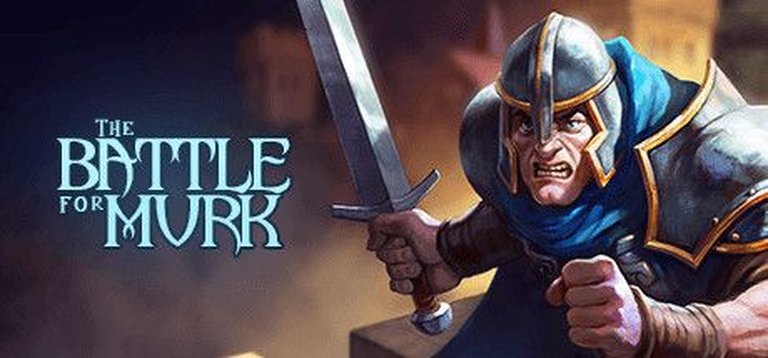
Dust and Salt: The Battle for Murk is an interactive narrative adventure set in a gritty medieval fantasy world. Players take on the role of Corporal Mandrake, a member of the City Watch, who must uncover a treacherous conspiracy threatening the besieged city of Murk. With only until dawn to gather evidence and expose the plot, Mandrake navigates through temple dungeons, taverns, and shadowy alleys, interrogating suspects and making critical choices that shape the story. The game features rich, non-linear storytelling, immersive dialogues, and a vividly detailed world map, all accompanied by a Nordic-inspired soundtrack. A standalone experience in the Dust and Salt universe, it offers a compact yet engaging adventure for fans of interactive fiction and choice-driven narratives.
Where to Buy Dust and Salt: The Battle for Murk
PC
Dust and Salt: The Battle for Murk Cracks & Fixes
Dust and Salt: The Battle for Murk Patches & Updates
Dust and Salt: The Battle for Murk Guides & Walkthroughs
Dust and Salt: The Battle for Murk Reviews & Reception
steambase.io (87/100): A triumphant return to form for the series.
store.steampowered.com (80/100): Positive (80% of 10 user reviews for this game are positive).
Dust and Salt: The Battle for Murk: A Masterclass in Interactive Narrative
Introduction: A Hidden Gem in the Shadows of Siege
In the vast, often overwhelming landscape of indie games, Dust and Salt: The Battle for Murk emerges as a quiet but profound testament to the power of interactive storytelling. Released in 2018 by Prime Games, this text-based adventure is a spin-off of the broader Dust and Salt universe, yet it stands firmly on its own as a gripping, atmospheric tale of intrigue, survival, and moral ambiguity. Set in the besieged city of Murk, the game casts players as Corporal Mandrake, a member of the City Watch who stumbles upon a conspiracy that could doom his hometown to a barbaric invader. With only a few hours until dawn, Mandrake must navigate a web of lies, alliances, and betrayals to uncover the truth and save his city.
At its core, The Battle for Murk is a love letter to classic interactive fiction, drawing inspiration from the Fighting Fantasy series, Sorcery!, and Choose Your Own Adventure books. Yet, it transcends its influences by weaving a rich, non-linear narrative that feels alive, urgent, and deeply personal. This review will dissect the game’s development, narrative depth, gameplay mechanics, world-building, and legacy, arguing that The Battle for Murk is not just a niche experiment but a vital, underappreciated entry in the canon of narrative-driven games.
Development History & Context: Crafting a Story in the Shadows
The Studio and Vision
Prime Games, a Bulgarian indie studio, is the creative force behind Dust and Salt: The Battle for Murk. The studio’s portfolio is rooted in interactive fiction and gamebook-style experiences, with a clear passion for deep, branching narratives. The Battle for Murk is a spin-off of their earlier title, Dust and Salt, which introduced players to the grim, low-magic world of the Sin Lands. However, The Battle for Murk is designed to be a standalone experience, requiring no prior knowledge of the series to appreciate its story.
The game’s development was driven by a desire to create a short but impactful narrative experience. In an era where open-world games and sprawling RPGs dominate the market, Prime Games deliberately chose to focus on brevity and depth. The result is a tightly scripted, 1.5-hour adventure that feels more like a novella than a traditional video game. This approach was both a creative and a practical decision, allowing the studio to refine its storytelling without the constraints of a larger, more resource-intensive project.
Technological Constraints and Design Choices
The Battle for Murk was built using the Unity engine, a versatile tool that allowed Prime Games to focus on narrative and art without being bogged down by technical limitations. The game’s interface is minimalist, consisting primarily of a text-based story and a hand-drawn map of Murk. This simplicity is not a flaw but a deliberate choice, stripping away unnecessary distractions to immerse players fully in the story.
The game’s development also reflects the broader trends in indie gaming during the late 2010s. The rise of platforms like Steam and itch.io made it easier for small studios to distribute their work, and the growing popularity of narrative-driven games (e.g., Disco Elysium, The Witcher 3) created a receptive audience for The Battle for Murk. However, the game’s text-based nature and lack of traditional gameplay mechanics meant it would always be a niche product, appealing primarily to fans of interactive fiction and tabletop RPGs.
The Gaming Landscape at Release
July 2018 was a crowded month for game releases, with major titles like No Man’s Sky NEXT, Octopath Traveler, and We Happy Few dominating headlines. In this environment, The Battle for Murk was easily overlooked. Yet, its release was timely in another sense: the indie scene was (and still is) experiencing a renaissance of narrative-focused games. Titles like Return of the Obra Dinn and The Council were proving that players craved deep, branching stories, and The Battle for Murk fit neatly into this trend.
The game’s reception was modest but positive, with players praising its writing, atmosphere, and replayability. However, its lack of mainstream attention meant it remained a hidden gem, known primarily to enthusiasts of interactive fiction. This obscurity is unfortunate, as The Battle for Murk is a masterclass in how to craft a compelling, choice-driven narrative within a constrained runtime.
Narrative & Thematic Deep Dive: A Tale of Siege and Deception
Plot Overview
The Battle for Murk unfolds over a single, tense night in the besieged city of Murk. The city is under attack by Wayward, a ruthless warlord whose forces have been battering its walls for nine days. As Corporal Mandrake, players begin their night patrol only to discover a conspiracy among the city’s inhabitants to open the gates to the enemy. With dawn approaching, Mandrake must uncover the truth, gather evidence, and prevent the betrayal before it’s too late.
The story is structured as a race against time, with each decision influencing the outcome. Players can choose to interrogate suspects, explore different locations (such as taverns, temples, and alleyways), and piece together the conspiracy through dialogue and observation. The narrative is non-linear, with multiple endings depending on the player’s choices, adding significant replay value.
Characters and Dialogue
Mandrake is a compelling protagonist, not because he is a heroic figure, but because he is an everyman thrust into extraordinary circumstances. His internal monologue and interactions with other characters reveal a man who is loyal to his city but also pragmatic, willing to make tough decisions to survive. His patrol partner, whose identity and role shift depending on the player’s choices, serves as a foil, offering different perspectives on the unfolding crisis.
The supporting cast is equally well-crafted, with each character feeling distinct and memorable. From the shady tavern owner to the fanatical temple priest, every NPC has their own motivations, secrets, and agendas. The dialogue is sharp and evocative, with a writing style that blends medieval grit with modern sensibilities. Sycamore Bright, the game’s writer, deserves particular praise for crafting a script that is both immersive and accessible.
Themes: Survival, Betrayal, and Moral Ambiguity
At its heart, The Battle for Murk is a story about survival in the face of overwhelming odds. The city of Murk is not just under physical siege but also under psychological and moral siege. The game explores how desperation can corrupt even the most loyal citizens, turning them into traitors or collaborators. This theme is reinforced by the game’s setting: a world where magic is rare and life is brutal, forcing characters to rely on their wits and willpower.
Betrayal is another central theme. The conspiracy at the heart of the story is not just about opening the gates to the enemy but about the erosion of trust within the city. Mandrake must navigate a web of lies, deciding whom to believe and whom to suspect. The game’s multiple endings reflect the moral ambiguity of these choices, with no clear “right” or “wrong” path—only consequences.
Finally, The Battle for Murk is a meditation on the cost of war. The city’s walls are crumbling, its people are starving, and its leaders are desperate. The game does not glorify conflict but instead highlights its futility and devastation. This anti-war sentiment is subtle but pervasive, making the game’s narrative feel timely and relevant.
Gameplay Mechanics & Systems: The Art of Choice
Core Gameplay Loop
The Battle for Murk is, at its core, a text-based adventure game. Players navigate the city of Murk using a map, selecting locations to visit and interacting with characters through dialogue trees. The gameplay is divided into two main components: exploration and investigation.
- Exploration: Players move between locations on the map, each of which offers new dialogue options, clues, and potential leads. The map is beautifully illustrated, with zoomable artwork that enhances immersion.
- Investigation: Players must gather evidence, interrogate suspects, and make critical decisions that shape the story. The game’s branching narrative means that every choice has consequences, from minor dialogue shifts to major plot divergences.
Combat and Progression
Unlike traditional RPGs, The Battle for Murk does not feature combat in the conventional sense. Instead, conflicts are resolved through dialogue, persuasion, or stealth. This design choice reinforces the game’s focus on narrative and character interaction, making it more akin to a tabletop RPG session than a video game.
Character progression is similarly abstract. Mandrake does not level up or gain new abilities; instead, his growth is reflected in the relationships he builds and the information he uncovers. The game’s lack of traditional progression systems is a strength, as it keeps the focus squarely on the story.
UI and Innovations
The game’s user interface is minimalist but effective. The text-based story is presented in a clean, readable format, with dialogue options clearly marked. The map is intuitive, allowing players to navigate the city with ease. One of the game’s most innovative features is its use of achievements to encourage replayability. With 13 Steam achievements tied to different endings and discoveries, players are incentivized to explore every possible path.
However, the game is not without its flaws. The lack of a more robust inventory or clue-tracking system can make it difficult to keep track of important information, especially on subsequent playthroughs. Additionally, some players may find the text-heavy nature of the game overwhelming, particularly if they are accustomed to more action-oriented experiences.
World-Building, Art & Sound: Crafting an Atmosphere of Desperation
Setting and Atmosphere
The city of Murk is a masterclass in world-building. Despite being a relatively small setting, the city feels alive and immersive, thanks to the game’s rich descriptions and detailed artwork. Murk is a place of contrasts: grand temples stand alongside crumbling slums, and the opulence of the ruling class is juxtaposed with the squalor of the common folk. The city’s siege adds a layer of tension, with the constant threat of invasion looming over every interaction.
The game’s atmosphere is further enhanced by its writing. The prose is evocative, painting a vivid picture of a city on the brink of collapse. Descriptions of the city’s walls groaning under siege engines, the stench of smoke and death in the air, and the desperate whispers of its inhabitants create a sense of urgency and dread.
Visual Direction
The game’s art style is a highlight, blending hand-drawn illustrations with a muted, medieval aesthetic. The city map is particularly impressive, with intricate details that reward close inspection. The character portraits, while simple, are expressive and memorable, helping to bring the game’s cast to life.
The visual design is complemented by the game’s use of text. The font and layout are carefully chosen to evoke the feel of a medieval manuscript, reinforcing the game’s historical setting. This attention to detail extends to the game’s menus and interfaces, which are unobtrusive and intuitive.
Sound Design and Music
The game’s soundtrack, composed by Mike Olsen (known professionally as Danheim), is a standout feature. Olsen’s Nordic-inspired music perfectly captures the game’s medieval setting, with haunting melodies and rhythmic drumbeats that evoke the tension of a city under siege. The soundtrack is not just background noise but an integral part of the experience, enhancing the game’s atmosphere and emotional impact.
Sound effects are used sparingly but effectively. The distant rumble of siege engines, the clatter of armor, and the murmurs of the city’s inhabitants all contribute to the game’s immersive audio landscape. The lack of voice acting is a minor drawback, but the strong writing and music more than compensate for this omission.
Reception & Legacy: A Cult Classic in the Making
Critical and Commercial Reception
The Battle for Murk received modest but positive reviews upon release. Players praised its writing, atmosphere, and replayability, with many highlighting the game’s strong narrative and memorable characters. On Steam, the game holds an 80% positive rating, with players describing it as a “hidden gem” and a “must-play for fans of interactive fiction.”
However, the game’s niche appeal meant it did not achieve widespread commercial success. Its text-based nature and lack of traditional gameplay mechanics limited its audience, and it remains relatively unknown outside of dedicated interactive fiction circles. This obscurity is unfortunate, as The Battle for Murk is a game that deserves a wider audience.
Influence and Legacy
Despite its limited reach, The Battle for Murk has had a subtle but meaningful influence on the interactive fiction genre. Its success (albeit modest) demonstrated that there is still a market for deep, narrative-driven experiences, even in an era dominated by open-world games and battle royales. The game’s emphasis on player choice and consequence has also inspired other indie developers to explore similar mechanics in their own projects.
The game’s legacy is also tied to its place within the broader Dust and Salt universe. While The Battle for Murk is a standalone experience, it expands the lore of the Sin Lands, adding depth and complexity to the world. For fans of the series, it is a vital piece of the puzzle, offering new insights into the setting and its characters.
Conclusion: A Triumph of Storytelling
The Battle for Murk is a rare gem in the world of video games: a short, focused, and deeply immersive narrative experience that prioritizes storytelling above all else. Its strengths lie in its writing, atmosphere, and player agency, creating a game that feels both personal and urgent. While its text-based nature and lack of traditional gameplay mechanics may limit its appeal, it is a must-play for fans of interactive fiction, tabletop RPGs, and branching narratives.
In the grand tapestry of video game history, The Battle for Murk may not be a blockbuster or a cultural phenomenon, but it is a vital reminder of the power of storytelling in games. It proves that a compelling narrative, rich characters, and meaningful choices can create an experience that is just as engaging (if not more so) than the most visually stunning or mechanically complex games. For those willing to dive into its world, The Battle for Murk offers a journey that is as rewarding as it is unforgettable.
Final Verdict: 9/10 – A masterclass in interactive storytelling, Dust and Salt: The Battle for Murk is a hidden gem that deserves to be discovered by a wider audience.