
- Release Year: 2013
- Platforms: Windows
- Publisher: Snowbird Game Studios
- Developer: Snowbird Game Studios, Unicorn Games Studios
- Genre: Strategy, Tactics
- Perspective: Diagonal-down
- Game Mode: Hotseat, Online PVP, Single-player
- Gameplay: Base building, Exploration, Hero development, Hex-based maps, Random events, Turn-based combat, Unit recruitment
- Setting: Fantasy
- Average Score: 74/100
Description
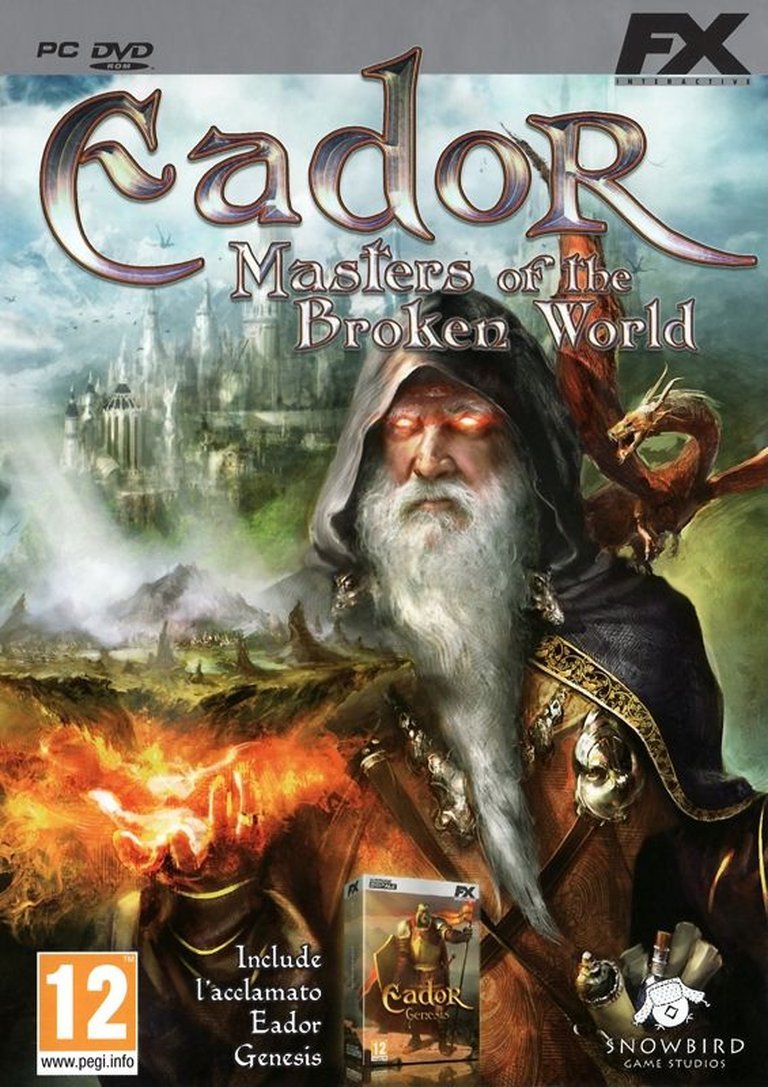
Eador: Masters of the Broken World is a turn-based strategy game set in a fantasy universe of fragmented shards, each representing a unique world. Players take control of one of the powerful gods known as Masters, competing against rivals to unite these shards through exploration, province development, hero specialization, and tactical hex-based combat on diverse terrains.
Gameplay Videos
Where to Buy Eador: Masters of the Broken World
Eador: Masters of the Broken World Cracks & Fixes
Eador: Masters of the Broken World Guides & Walkthroughs
Eador: Masters of the Broken World Reviews & Reception
metacritic.com (74/100): Mixed or Average
gamespot.com : Game-crushing bugs overshadow the turn-based tactical goodness Eador: Masters of the Broken World offers.
spacesector.com : the astral view used in the campaign must be applauded for its efforts to bring strategy and rpg together in a meaningful way.
destructoid.com : It can be rather wonderful at times, but it’s brought out the worst in me, turning me into a loud, angry man.
gamewatcher.com : Eador is a frustrating game. On the one hand it’s quite good; on the other… it’s really not.
Eador: Masters of the Broken World: Review
Introduction
In the vast, fractured expanse of the Astral Plane, where shards of a once-unified world drift like cosmic debris amid encroaching Chaos, Eador: Masters of the Broken World casts players as immortal Masters—godlike arbiters vying to reassemble reality itself. Released in 2013 by the modest Russian studio Snowbird Game Studios, this turn-based strategy epic is a polished remake of the cult-favorite Eador: Genesis (2009), blending the empire-building grandeur of Heroes of Might & Magic (HoMM) with RPG progression and 4X depth. Its legacy endures as a niche gem for hardcore tacticians, evoking the golden age of 1990s fantasy TBS titles like Age of Wonders and King’s Bounty. Yet, for all its mechanical ambition, Eador is a double-edged sword: a profound fusion of strategy layers marred by launch woes and inherent repetition. This review argues that, post-patches, Masters stands as a rewarding testament to indie perseverance, demanding patience but rewarding mastery in a genre starved for innovation.
Development History & Context
Snowbird Game Studios, a small Russian team with roots in historical RTS like Real Warfare: 1242 and XIII Century, spearheaded Eador: Masters of the Broken World as an evolution of Alexey Bokulev’s visionary solo project, Eador: Genesis. Bokulev, credited for the original vision and design, spent nearly three years crafting Genesis—a primitive 2D affair with rudimentary graphics reminiscent of HoMM III. Snowbird, collaborating with Unicorn Games Studios, transformed it into a 3D remake, enlisting 55 credits including art director Natalia Salnikova and tech director Vitaliy Klimov. Executive producer Alexander Souslov oversaw the leap to modern visuals, multiplayer (hot-seat and online), and shard-specific rules, released on April 19, 2013, for Windows via Steam and GOG at $19.99.
The 2013 landscape was ripe for such indies: post-Civ V fatigue and amid HoMM VII hype, PC strategy thrived on digital platforms. Constraints like modest budgets yielded isometric 3D models over flashy AAA effects, prioritizing depth over polish—echoing Eastern Europe’s chess-rooted “iron fist” ethos, as developer Vladimir Tortsov noted at E3 2012. Technological limits (e.g., low framerates on high-res) and translation quirks from Russian persisted, but Snowbird’s post-launch diligence—over a dozen patches addressing karma carryover, crashes, and balance—elevated it. DLC Allied Forces (2014) and mods like Fixers of the Broken World extended life, paving for Eador: Imperium (2017).
Narrative & Thematic Deep Dive
Eador‘s lore unfolds across the Astral Campaign, a meta-layer where 17 Masters (e.g., barbarian Doh-Gor, undead lords, fairy queens) contest shards to avert Chaos’s devouring void. Players embody a nascent Master, guided by a sarcastic gremlin advisor, forging a world via conquest. Each shard victory advances the astral turn (65 on Expert), unlocking dialogues revealing Eador’s cataclysmic history, Masters’ agendas, and karmic repercussions. Choices—aid plague victims or sell corpses to necromancers?—shift karma (Order/Chaos axis), alienating allies (e.g., good Masters shun evil paths) and birthing 12 endings, from tyrannical godhood to universal ruin.
Plot Structure:
– Early Game: Neutral shards teach basics; interactions introduce lore via branching dialogues.
– Mid-Game: Home shard assaults by rivals heighten stakes; alliances (e.g., Orcs via quests) tie into themes of tyranny vs. benevolence.
– Late Game: Astral energy fuels bonuses; karma dictates alliances, culminating in ideological clashes.
Themes probe imperialism: Masters as colonial gods “uniting” shards at natives’ expense, mirroring realpolitik. Random events (disasters, rebellions) underscore moral ambiguity—heroic acts drain gold, evil ones boost it but erode mood. Characters shine: Doh-Gor’s amulet tale humanizes immortals; karma reactivity makes narrative personal, rare in TBS. Dialogue, though occasionally clunky in translation, weaves humor (gremlin’s tall tales) with intrigue, elevating beyond HoMM’s perfunctory quests.
Gameplay Mechanics & Systems
Eador‘s core loop fuses HoMM exploration, Civ-like management, and granular tactics across Shard Gameplay (province conquests) and Astral Campaign (meta-strategy).
Core Loops:
1. Stronghold Management: Capital divided into nine quarters (e.g., Military for units, Magic for spells/rituals). Build prerequisites sequentially (e.g., 13+ buildings for Tier 3 Executioners). Schematics carry over, rewarding progression.
2. Exploration & Economy: Heroes (Warrior: melee tank; Scout: ranged/scout; Commander: buffs/large armies; Wizard: summons) lead stacks. Scout provinces (reveal locations, boost development), plunder (gold at mood cost), or conquer neutrals. Income from gold/gems; secondaries (wood, iron) cut costs. Mood/corruption mechanics demand guards (bribable!).
3. Events & Diplomacy: Random events (spider plagues) force choices impacting karma/mood. Shard diplomacy basic (peace/war); demi-human alliances unlock racial quarters/units.
Combat Deconstruction:
– Hex-based (8×8), turn-based with stamina (drains on actions; zero = immobile/low defense), morale (zero = panic), terrain (hills: range/defense; swamps: slow).
– Units (89 types, 4 tiers) level via XP, gaining attributes/skills/medals. Heroes promote at 10/20 (e.g., Warrior/Mage hybrid).
– Magic: Spells (tactical, circle-based: Chaos/Elemental/etc.); Rituals (strategic, cooldowns).
– Auto-resolve viable for mismatches; prediction often inaccurate.
Progression & UI:
– Heroes gain perks/attributes per level; items class-restricted.
– Flaws: Opaque info (e.g., hidden ogres in “Orc” lairs), steep curve (reload-heavy), repetitive resets per shard. UI clunky (inflexible, no log), but customizable animations/FPS help.
Multiplayer: Hot-seat/online shards; tactical duels point-buy. Innovative shards (e.g., Desert: stamina drain) add replayability.
Innovations/Flaws:
| Strength | Weakness |
|---|---|
| Karma reactivity | Repetitive shard grinds |
| Unit/hero depth | Buggy launch (patched) |
| Alliances/schematics | Trial-error scouting |
World-Building, Art & Sound
Eador’s setting—shattered shards (Magic Worlds: cheap spells; Sands: stamina hell)—breathes via procedural provinces (terrain guards resources). Atmosphere evokes HoMM’s wanderlust: fog-shrouded hexes hide lairs/temples; events paint living worlds (dragon raids, witch curses).
Visuals: 3D upgrade from Genesis‘ 2D—crisp isometrics, particle FX, customizable models. Drawbacks: bland plains battles, low FPS on high-res, texture blending confuses terrain. Interface artist Roman Nesin’s work functional but rigid (unmovable panels).
Sound: Ambient fantasy score enhances tension; SFX (clangs, spells) solid, though archer animations occasionally desync. Voiceover sparse; gremlin narrator adds flavor. Overall, evokes moody immersion, amplifying karmic weight.
Reception & Legacy
Launch Metacritic ~74 (mixed): Gaming Nexus (88%) lauded TBS excellence; GameSpot/Hardcore Gamer (40%) slammed “landslide” bugs/crashes. MobyGames: 72% critics (17 reviews), 3.6/5 players. Praises: depth, combat balance (SpaceSector 7.5/10); gripes: UI, repetition, AI stagnation (GameWatcher 70%).
Post-patches (karma fixes, stability), reputation soared—PC Gamer (2018) hailed as “best 4X alternative”; PCGamesN praised HoMM-like challenge. Commercially modest (108 Moby collectors), but cult following via GOG/Steam sales, DLC (Allied Forces: racial promos), mods (Fixers: bug/balance fixes). Influenced Imperium (2017); echoes in Songs of Conquest. BoardGameGeek: 6.25/10 (niche). Enduring for TBS purists, prefiguring indie revivals like Heroes of Might & Magic-spiritual successors.
Conclusion
Eador: Masters of the Broken World is a flawed masterpiece—a shard mosaic of brilliance and breakage. Its exhaustive systems (karma webs, stamina tactics, astral intrigue) cement a top-tier TBS, outshining HoMM clones in moral depth and progression. Yet repetition, opacity, and launch bugs temper highs, demanding 50-200+ hours for dividends. Patched into viability, it’s essential for genre historians: a Russian indie echoing Master of Magic‘s ambition amid 2013’s digital renaissance. Verdict: 8/10—A broken world worth mending, securing mid-tier legacy as patient strategists’ salvation. Buy on sale; conquer if you dare.