
- Release Year: 2009
- Platforms: iPad, Macintosh, Windows
- Publisher: 99Games Online Pvt. Ltd., Game Factory Interactive Ltd., Merscom LLC, Russobit-M
- Developer: Iguana Entertainment Limited
- Genre: Simulation, Strategy, Tactics
- Perspective: Isometric
- Game Mode: Single-player
- Gameplay: City building, construction simulation
- Setting: Ancient Egypt
- Average Score: 40/100
Description
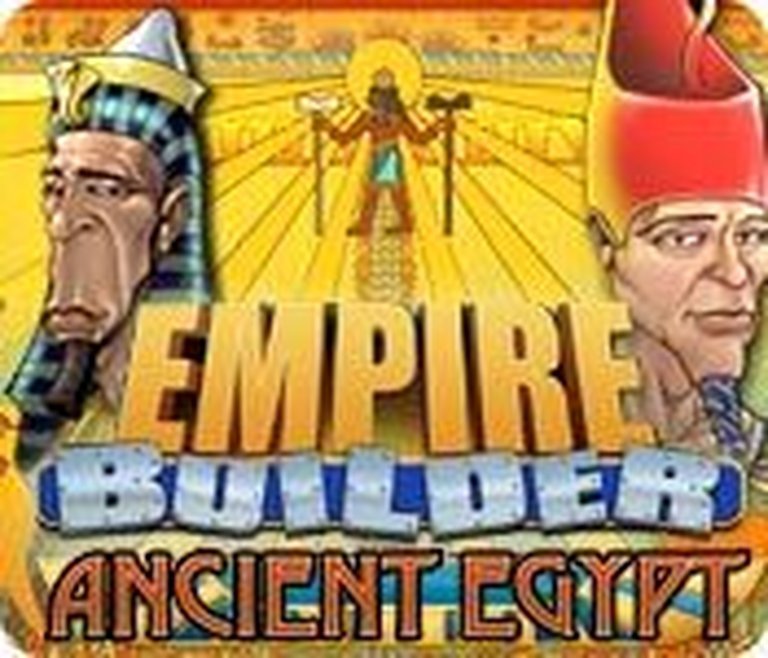
Empire Builder: Ancient Egypt is a casual city-building simulation set in ancient Egypt, where players serve as the chief architect for the rulers, constructing and maintaining houses, temples, workshops, and monuments on isometric terrain using resources, workers, and tax income generated from completed buildings. Featuring timed levels with objectives, players can buy or sell properties, unlock new blueprints, benefit from special structures, repel wandering mummies with the Staff of Anubis, and utilize power-up amulets to aid in construction and management challenges.
Gameplay Videos
Empire Builder: Ancient Egypt Reviews & Reception
gamezebo.com : While the game might lack the challenge and complexity of similar titles, it is still worth a look for players searching for a resource management title in a new setting.
pocketgamer.com : A little too easy and restricted in terms of solutions, Empire Builder: Ancient Egypt is a perfectly playable economic strategy game, but lacks the character of the Build-a-Lot series.
gamespot.com (40/100): Waste of time.
Empire Builder: Ancient Egypt: Review
Introduction
Imagine standing on the sun-baked banks of the Nile, cursor in hand, as you summon legions of workers to raise the pyramids not over decades, but in mere minutes—defying history’s grind with a satisfying click. Released in 2009, Empire Builder: Ancient Egypt captures this fantastical compression of time, positioning players as the Pharaoh’s chief architect in a casual city-builder that blends resource management with light Egyptian mysticism. Born in the heyday of accessible PC shareware titles, this game from Iguana Entertainment endures as a nostalgic gem for casual gamers, evoking the era’s flood of “Build-a-lot” clones. My thesis: While its simplified mechanics and lack of depth limit replayability for simulation veterans, Empire Builder excels as a relaxing, visually splendid tribute to ancient grandeur, perfectly tuned for bite-sized empire-building sessions that prioritize satisfaction over strategy.
Development History & Context
Empire Builder: Ancient Egypt emerged from Iguana Entertainment Limited, a UK-based studio led by the Falcus family—Darren Falcus as CEO and Managing Director, Jason Falcus as Development Director and Producer, and Matt Falcus as Associate Producer—suggesting a tight-knit operation focused on efficient casual game production. Programming came from talents like Jason Raspison, Valter Sundstrom, and Andrew Porritt, while art was handled by Robert Gray, Dave Drury, Trevor Storey, and Emelie Falk Renstrom. Audio featured licensed Westar Music tracks, Xtruist compositions, and sound effects by Craig Charsley of Cyborg Sound. Executive oversight included Merscom’s Lloyd Melnick and Kirk Owen, with QA from Brandon Tyndall’s team.
Published primarily by Merscom LLC on September 16, 2009, for Windows (with Macintosh and iPad ports following in 2009 and 2011), the game was a shareware/CD-ROM/download title, aligning with the casual gaming boom via portals like Big Fish Games. Merscom positioned it as a hit in the “fastest growing genre,” capitalizing on Egypt’s perennial appeal amid titles like Mystery of Cleopatra. Built on the Playground engine, it navigated 2009’s tech constraints—1GHz CPU, 512MB RAM, DirectX 8.1—prioritizing smooth isometric visuals over complexity.
The gaming landscape was ripe: Casual sims like Build-a-lot, Wonderburg, and Plan It Green dominated portals, emphasizing quick progression amid the 2008 recession’s demand for affordable escapism. Iguana’s vision streamlined these for mass appeal, incorporating haggling and magic to differentiate, while later bundling in Ancient Civilisations: Triple Pack extended reach. This context underscores Empire Builder as a product of indie pragmatism, not AAA ambition.
Narrative & Thematic Deep Dive
Empire Builder‘s story is whisper-thin, a procedural frame rather than a scripted epic, casting players as an apprentice architect serving successive Pharaohs across 10 locations (three levels each, totaling 30). Bulletins from rulers deliver objectives—erect X houses, boost appeal, construct monuments—infused with playful menace, like threats of execution averted by compliance. No deep characters emerge; Pharaohs are voiceless patrons, workers faceless toilers, mummies spectral pests.
Thematically, it romanticizes Egyptian architecture as divine mandate: Houses fund taxes, infrastructure (quarries, wharfs) extracts resources, civil buildings (gardens, schools, wells) elevate appeal, monuments cap levels with pyramids or temples. Quirky mythology elevates it—tombs spawn mummies repelled by the Staff of Anubis (a cursor-swapping artifact), locust plagues demand intervention, amulets invoke gods (Djed Pillar speeds builds, Amulet of Steps max-upgrades houses). Imhotep’s Challenge, a memory minigame post-city, nods to the legendary architect.
Underlying themes explore creation’s hubris: Compress millennia into minutes, haggle with merchants, balance industry (lowering appeal) against beauty. Repairs escalate if ignored, houses riverside decay faster—subtle nods to Nile’s peril. Playful tone shines: Pharaohs jest about sparing your life, mummies shimmer green like mischievous ghosts. Compared to Wonderburg‘s fantasy whimsy, it’s grounded yet fantastical, prioritizing thematic immersion over plot depth, fostering a god-like satisfaction in defying entropy.
Gameplay Mechanics & Systems
At its core, Empire Builder loops around isometric city-building: Select lots via bottom tabs (housing, infrastructure, civil, monuments), assign materials/workers, collect taxes every few seconds. Progression unlocks blueprints; objectives (e.g., upgrade houses, hit gold thresholds) guide play. Timed mode limits to three “days” (minutes-long), but relaxed free-play exists. Innovation lies in casual twists:
Core Loops & Resource Management
- Construction Cycle: Buy/haggle lots (bids appear for sales), demolish/sell for profit. Buildings need materials (order via tab) and workers (train via tab). Taxes fund cycles; infrastructure bonuses (e.g., quarry cheapens stone) optimize.
- Progression: 30 levels escalate—early: basic huts; late: pyramids demanding hordes. Gardens train gardeners/farmers for house upgrades; appeal affects taxes (industry debuffs, civil buffs).
- UI Excellence: Top: objectives/timer; bottom: tabs with intuitive icons/tooltips. Cursor-driven, mouse/keyboard (iPad touch-optimized).
Combat & Hazards
No traditional combat—mummies/locusts are QTEs: Staff of Anubis zaps undead, finger-swipes banish plagues. Reactive, not strategic.
Innovative/Flawed Systems
- Haggling/Bidding: Sell triggers bids; negotiate higher—adds mercantile flair, rare in sims.
- Amulets: Pre-level power-ups (earned via completion)—gold boosts, speed buffs, auto-upgrades. Strategic choice, but abundance dulls tension.
- Flaws: Overly forgiving—timed mode generous, no failure states, memory minigame unbeatable. Repairs punish delay, but neglect irrelevant. No pause/slowdown creates chaos; no layout tactics (positions predictable).
Veterans decry shallowness (Build-a-lot fans deduct stars); casuals praise accessibility. Minigame repetition grates, but loops addict via progression dopamine.
World-Building, Art & Sound
The isometric Nile-side vistas evoke lush antiquity: Palm-fringed rivers, sunlit sands, tiered cities from mud huts to obelisks. 20-lot maps constrain scale, focusing intimacy—day-night cycles, rippling water, worker animations breathe life. Graphics: Colorful, smooth (no slowdowns), detailed structures (pyramids majestic, though level-end rushed). UI integrates seamlessly, effects (amulet glows, Staff shimmer) polish.
Sound design enchants: Westar/Xtruist music—flutes, percussion—immerses without repetition; Charsley SFX (hammering, mummy groans) tactile. Pharaoh bulletins add flavorful narration. Collectively, they forge escapism: Relaxed tapping amid evocative Egypt, superior to peers, per reviews praising “wonderful graphics” and “soothing animations.”
Reception & Legacy
Launch reception was modestly positive: MobyGames aggregates 70% (GameZebo: 3.5/5, lauding twists/graphics, critiquing ease; 148apps iPad: 3.5/5, noting buying/selling fun). Pocket Gamer echoed “perfectly playable but lacks character”; Retro Replay praised casual blend. User voices sparse—one GameSpot 4/10 called it “waste of time” for brevity/shallowness; VideoGameGeek 7/10. Commercial: Shareware success via Merscom portals, bundled later, but obscure (6 MobyGames collectors).
Legacy: Niche influencer in casual city-builders, echoing Build-a-lot‘s template while innovating (amulets, mummies). Ported to iPad/Mac, it presaged mobile sims (Prehistoric Park Builder, Monument Builders). No industry shaker, but preserves 2009 casual ethos—accessible Egypt amid Mahjongg Mysteries. Evolving rep: Fond nostalgia for relaxed play, critiqued for lacking ambition.
Conclusion
Empire Builder: Ancient Egypt distills pyramid-raising to pure, unadulterated joy—intuitive loops, Egyptian flair, and power-fantasy highs cement its casual charm, bolstered by stellar art/sound. Yet simplicity undermines depth; easy levels, repetitive minigames, absent challenge relegate it below peers. In video game history, it claims a secure, if modest, niche: Exemplar of 2000s shareware sims, ideal for Nile-side unwinding, but skippable for strategists. Verdict: 7/10—Recommended for casual architects; a timeless, sandswept diversion.