
- Release Year: 2020
- Platforms: Macintosh, Windows
- Publisher: K Monkey
- Developer: K Monkey
- Genre: Action
- Perspective: 1st-person
- Game Mode: Single-player
- Gameplay: Survival horror
- Setting: Fantasy, Horror
- Average Score: 72/100
Description
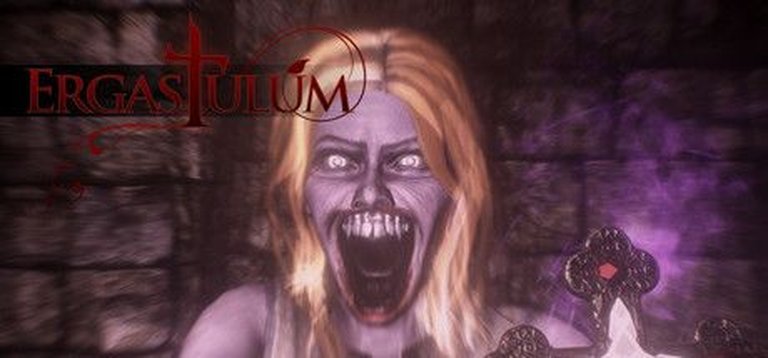
Ergastulum: Dungeon Nightmares III is a first-person survival horror game set in a nightmarish fantasy world. Developed by K Monkey, players navigate shifting dungeons filled with psychological terror and grotesque creatures inspired by Eastern and Western folklore. As the third entry in the Dungeon Nightmares series, it challenges explorers to confront madness while unraveling the dark secrets of a cursed realm built from twisted dreams and ancient myths.
Gameplay Videos
Where to Buy Ergastulum: Dungeon Nightmares III
PC
Ergastulum: Dungeon Nightmares III Mods
Ergastulum: Dungeon Nightmares III Reviews & Reception
mgn.gg : Ergastulum is the scariest of the three Dungeon Nightmares games, so much so, that we could not finish playing it!
Ergastulum: Dungeon Nightmares III: Review
In the annals of survival horror, few titles have managed to blend psychological terror with atmospheric dread as effectively as Ergastulum: Dungeon Nightmares III. Released in 2020 by the indie studio K Monkey, this game stands as a testament to the power of independent development in pushing the boundaries of the genre. Ergastulum is not just a game; it is an experience that delves deep into the darkest recesses of the human psyche, challenging players to confront their fears and question their sanity. This review will explore the game’s development history, narrative depth, gameplay mechanics, world-building, reception, and its enduring legacy.
Development History & Context
The Studio: K Monkey
K Monkey, the developer behind Ergastulum: Dungeon Nightmares III, is a relatively small indie studio known for its commitment to psychological horror. Founded by a group of passionate developers, K Monkey has consistently pushed the envelope with its games, focusing on creating immersive and terrifying experiences. The studio’s previous works, Dungeon Nightmares and Dungeon Nightmares II: The Memory, laid the groundwork for the series’ unique blend of Eastern and Western folklore, setting the stage for the third installment.
The Creators’ Vision
The vision for Ergastulum was clear from the outset: to create a game that would test the player’s faith and sanity to the extremes. The developers drew inspiration from a wide range of sources, including classic horror literature, folklore, and psychological studies. The goal was to craft an experience that would not only scare players but also make them question their own perceptions of reality.
Technological Constraints and Gaming Landscape
Ergastulum was developed during a time when the gaming landscape was rapidly evolving. The rise of indie games and the increasing accessibility of powerful game engines like Unity allowed small studios like K Monkey to compete with larger developers. However, the studio faced significant technological constraints, particularly in terms of budget and manpower. Despite these challenges, K Monkey managed to create a game that stood out in a crowded market, thanks to its unique vision and commitment to quality.
Narrative & Thematic Deep Dive
Plot
The narrative of Ergastulum is a complex web of psychological horror and folklore. Players find themselves in an underground building known as an Ergastulum, a place used to hold dangerous slaves and punish others. The game’s setting is a blend of Eastern and Western folklore, featuring vampires, cursed monsters, and other supernatural entities. The story unfolds through exploration and discovery, with players uncovering the dark secrets of the Ergastulum and the horrors that lurk within.
Characters
The game features a cast of characters that are as enigmatic as they are terrifying. The protagonist is a nameless individual who finds themselves trapped in the Ergastulum, forced to navigate its twisted corridors and confront its inhabitants. The supporting cast includes a variety of supernatural entities, each with their own unique backstories and motivations. The characters are brought to life through a combination of voice acting and environmental storytelling, creating a sense of immersion that is both unsettling and engaging.
Dialogue
The dialogue in Ergastulum is sparse but impactful. The developers have chosen to focus on environmental storytelling, allowing the game’s atmosphere to speak for itself. When dialogue does occur, it is often cryptic and open to interpretation, adding to the game’s sense of mystery and dread. The use of subtitles and voice acting is minimal, further emphasizing the game’s focus on immersion and atmosphere.
Themes
Ergastulum explores a range of themes, including the nature of fear, the fragility of the human psyche, and the blurred line between reality and illusion. The game’s setting, an underground building used to hold slaves, serves as a metaphor for the darker aspects of the human condition. The use of folklore and supernatural elements adds a layer of complexity to the game’s themes, challenging players to question their own beliefs and perceptions.
Gameplay Mechanics & Systems
Core Gameplay Loop
The core gameplay loop of Ergastulum revolves around exploration, discovery, and survival. Players must navigate the twisted corridors of the Ergastulum, solving puzzles and uncovering secrets while avoiding or confronting the game’s various horrors. The game’s first-person perspective and immersive atmosphere create a sense of presence that is both intense and unsettling.
Combat
Combat in Ergastulum is minimal and often avoidable. The game’s focus is on psychological horror, with players relying on stealth and evasion rather than brute force. When combat does occur, it is often sudden and brutal, emphasizing the game’s theme of vulnerability and helplessness.
Character Progression
Character progression in Ergastulum is tied to the collection of souls. Players must solve miniature quests within the dungeons to gather more souls, which in turn unlock new abilities and upgrades. The longer players stay in a dungeon, the more horrifying it becomes, adding a sense of urgency and tension to the gameplay.
UI
The user interface in Ergastulum is minimalistic, with most information conveyed through environmental storytelling and subtle visual cues. The game’s HUD is unobtrusive, allowing players to remain fully immersed in the game’s atmosphere. The use of subtitles and voice acting is minimal, further emphasizing the game’s focus on immersion and atmosphere.
Innovative or Flawed Systems
One of the most innovative aspects of Ergastulum is its use of psychological horror. The game’s focus on the player’s fears and abnormal psyche creates a unique and unsettling experience. However, the game’s technical shortcomings, including bugs and control issues, detract from the overall experience. Additionally, the game’s lack of updates and uncertainty regarding future development have been noted by players.
World-Building, Art & Sound
Setting
The setting of Ergastulum is a blend of Eastern and Western folklore, featuring vampires, cursed monsters, and other supernatural entities. The game’s underground building, the Ergastulum, is a dark and twisted place, filled with narrow corridors and hidden secrets. The use of folklore and supernatural elements adds a layer of complexity to the game’s world-building, creating a sense of mystery and dread.
Atmosphere
The atmosphere of Ergastulum is one of its strongest assets. The game’s immersive first-person perspective, combined with its dark and twisted setting, creates a sense of presence that is both intense and unsettling. The use of environmental storytelling and subtle visual cues adds to the game’s sense of mystery and dread.
Visual Direction
The visual direction of Ergastulum is dark and moody, with a focus on creating a sense of immersion and atmosphere. The game’s use of lighting and shadow is particularly effective, with dark corridors and hidden secrets adding to the game’s sense of mystery and dread. The game’s art style is a blend of realistic and stylized elements, creating a unique and unsettling visual aesthetic.
Sound Design
The sound design of Ergastulum is a crucial component of its atmosphere. The game’s use of ambient sounds, such as distant whispers and eerie music, creates a sense of tension and unease. The use of sound effects, such as the clanking of chains and the rustling of leaves, adds to the game’s sense of immersion and realism. The game’s voice acting is minimal, with most dialogue conveyed through subtitles and environmental storytelling.
Reception & Legacy
Critical and Commercial Reception
Ergastulum: Dungeon Nightmares III received a mixed reception upon its release. Critics praised the game’s atmospheric horror and engaging gameplay, but noted its technical shortcomings and lack of updates. The game’s Steam review score is 72/100, with a “Mostly Positive” rating based on 83 reviews. The game’s commercial performance was modest, with a player base of 3,414 owners and a gross revenue of 25,777 USD.
Evolving Reputation
Since its release, Ergastulum‘s reputation has evolved. The game is now seen as a niche favorite, with a dedicated fanbase that appreciates its unique vision and commitment to psychological horror. The game’s influence can be seen in subsequent titles, particularly in the indie horror genre, where developers continue to push the boundaries of what is possible in terms of atmosphere and immersion.
Influence on Subsequent Games and the Industry
Ergastulum has had a significant influence on the indie horror genre. The game’s focus on psychological horror and atmospheric immersion has inspired a new generation of developers, who continue to push the boundaries of what is possible in terms of horror and survival. The game’s use of folklore and supernatural elements has also been influential, with many subsequent titles drawing inspiration from its unique blend of Eastern and Western mythology.
Conclusion
Ergastulum: Dungeon Nightmares III is a game that stands out in the crowded landscape of survival horror. Its unique blend of psychological terror, atmospheric immersion, and innovative gameplay mechanics make it a standout title in the genre. Despite its technical shortcomings and lack of updates, the game’s enduring legacy is a testament to its unique vision and commitment to quality. For those who seek a truly terrifying and immersive horror experience, Ergastulum is a must-play title. Its place in video game history is secure, and its influence on the genre will be felt for years to come.