
- Release Year: 2013
- Platforms: Windows
- Publisher: Intenium GmbH
- Developer: HeroCraft Krasnodar
- Genre: Adventure, Puzzle
- Perspective: Fixed / flip-screen
- Game Mode: Single-player
- Gameplay: Mini-games, Tile matching puzzle
- Setting: Fantasy
- Average Score: 95/100
Description
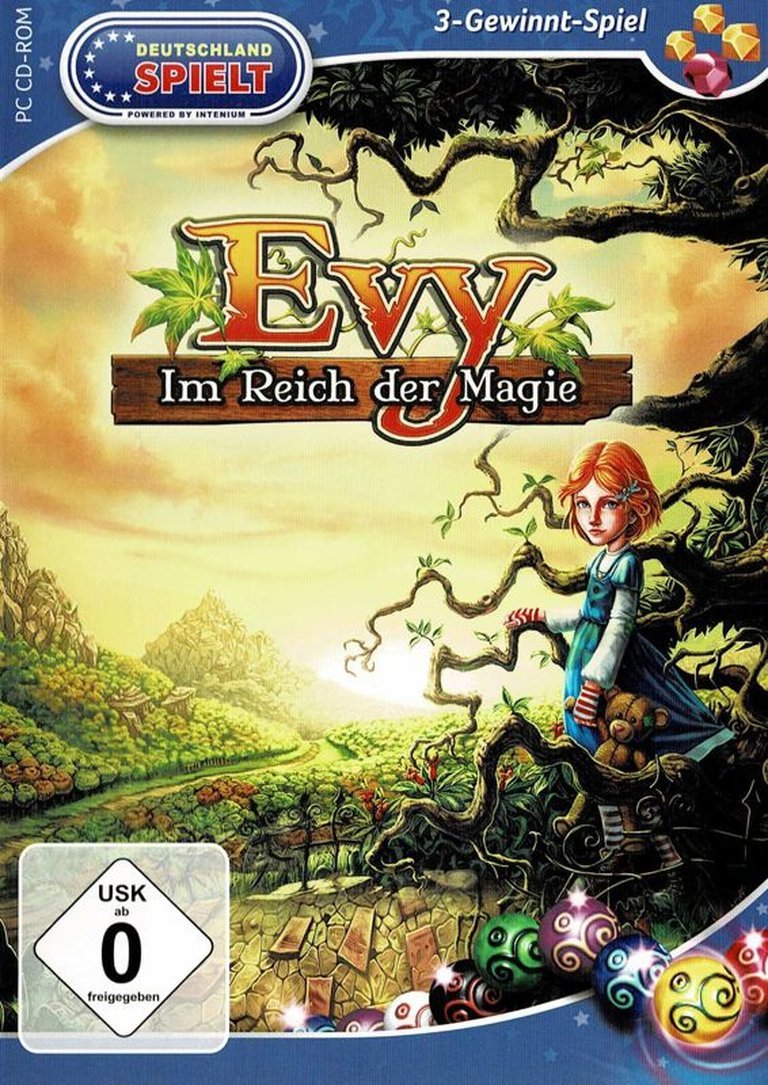
Evy, an orphan girl, enters a magical realm through a mysterious door to find a fairytale kingdom threatened by an evil witch and her monstrous minions like werewolves and goblins; using her power to control magic spheres, she must solve match-3 puzzles and mini-games to defeat the creatures, liberate the land, and restore peace to the beautifully illustrated fantasy world.
Gameplay Videos
Evy: Magic Spheres Guides & Walkthroughs
Evy: Magic Spheres Reviews & Reception
moddb.com (95/100): Good gameplay, cool story and a huge playtime!
Evy: Magic Spheres: Review
Introduction
In the crowded landscape of casual puzzle games, few titles manage to carve out a distinct identity, but Evy: Magic Spheres stands as a testament to the enduring appeal of the match-3 genre fused with fairy-tale fantasy. Released in 2013 by HeroCraft Krasnodar and published by Intenium GmbH, this Windows-exclusive title invites players into a beautifully rendered realm where a young orphan named Evy battles an evil witch and her monstrous minions through the strategic manipulation of colorful spheres. While it occupies a niche space often overshadowed by mainstream behemoths like Bejeweled or Candy Crush Saga, Evy: Magic Spheres distinguishes itself through its charming narrative, polished aesthetics, and surprisingly strategic puzzle design. This review delves into the game’s development, narrative depth, mechanical intricacies, artistic merits, and legacy, arguing that its blend of accessible gameplay and enchanting storytelling makes it a hidden gem of the era’s casual gaming renaissance.
Development History & Context
Evy: Magic Spheres emerged from the prolific Russian studio HeroCraft Krasnodar, a developer with a history of crafting accessible mobile and PC games during the early 2010s boom in casual gaming. The game was published by Intenium GmbH, a German company specializing in downloadable PC titles, and later by Alawar Entertainment, underscoring its pan-European commercial ambitions. Released on November 15, 2013, the game arrived during a pivotal moment for the industry. The match-3 genre was saturated, but the rise of Steam and digital distribution platforms like Desura (where the game was also offered) created opportunities for mid-sized studios to reach global audiences. Technologically, Evy: Magic Spheres utilized the Unity engine, allowing for vibrant 2D visuals and smooth animations despite the modest technical constraints of the era. Its targeted audience—casual players seeking narrative-driven puzzles—aligned with a growing market for “family-friendly” games on PC. HeroCraft’s vision, as evidenced by the game’s design, was to innovate on the classic Zuma-style formula by integrating a cohesive story and strategic depth, aiming to elevate the genre beyond simple time-wasters.
Narrative & Thematic Deep Dive
At its core, Evy: Magic Spheres spins a classic fairy-tale yarn with surprising emotional resonance. The narrative follows Evy, an orphan girl who stumbles through a “magical door” into a fantastical kingdom besieged by an evil witch. This realm—a land of fairies and wonders—is terrorized by a rogues’ gallery of charismatic, yet sinister, creatures: ghosts, werewolves, evil rabbits, and goblins. Evy’s journey is one of empowerment; she discovers she possesses latent magical powers, embodied by the titular “magic spheres,” which she must master to liberate the land. The plot unfolds as Evy travels across “magnificent painted landscapes,” aided by new friends, ultimately confronting the witch in her hut.
The narrative’s strength lies in its thematic depth. Evy’s orphan status immediately evokes themes of found family and inner strength, while the witch’s reign of terror symbolizes the encroachment of chaos on order. The creatures, though monstrous, are imbued with a dark whimsy—werewolves and evil rabbits blur the line between cute and menacing, reflecting the fairy-tale tradition of subverting childhood innocence. Dialogue, though sparse, serves its purpose, with tooltips guiding players through mechanics without over-explaining the fantasy. The story’s simplicity is its virtue; it avoids pretension, focusing instead on a clear, heroic arc that appeals to all ages. The overarching theme—good triumphing over evil through courage and cleverness—resonates universally, even if the plot’s predictability won’t challenge seasoned gamers. Yet, the game’s ability to make players care about Evy’s quest is a testament to its effective, if straightforward, storytelling.
Gameplay Mechanics & Systems
The heart of Evy: Magic Spheres is its tile-matching puzzle gameplay, executed with a level of polish and strategic depth that elevates it beyond mere color-matching. Players control a sphere-shooting mechanism at the bottom of the screen, tasked with matching three or more spheres of the same color in chains that advance along a predetermined path. This core loop echoes classics like Zuma, but Evy introduces nuances that set it apart. The “endlessly-shifting puzzle chains” (as described in marketing materials) dynamically alter the sphere patterns and paths, demanding adaptability rather than rote memorization. This creates a sense of tension, as players must think several moves ahead to create combos and prevent chains from reaching the endpoint, where failure would result in losing a life.
The game’s strategic depth is amplified by its progression system. As Evy defeats creatures, she unlocks new abilities and power-ups tied to the spheres, such as explosive combos or chain-clearing bursts. Numerous mini-games break up the main puzzle action—ranging from simple reflex challenges to light strategy diversifiers—preventing monotony and offering variety. The interface is streamlined, with a “point and select” approach that keeps the focus on the puzzle boards. However, the game is not without flaws. Some players reported a lack of difficulty scaling, with early stages feeling overly simplistic, while others noted occasional UI clutter, such as tooltips that could obscure critical gameplay elements during intense moments. The reliance on color-based matching also poses accessibility challenges for colorblind players, a limitation not addressed by in-game options. Despite these issues, the core mechanics remain satisfying, rewarding precision and foresight over frantic clicking.
World-Building, Art & Sound
Evy: Magic Spheres excels in its aesthetic presentation, creating a world that feels alive and immersive. The art direction leans heavily into fairy-tale fantasy, with “magnificently painted landscapes” that evoke the storybook charm of Cinderella or Snow White. Each level is a self-contained diorama, from enchanted forests to the witch’s gothic hut, rendered in rich, saturated colors and detailed textures. Character designs are equally charming: Evy is depicted as wide-eyed and determined, while the enemies—from the lumbering werewolves to the mischievous evil rabbits—are imbued with personality, avoiding generic monster tropes. The fixed/flip-screen interface ensures these environments remain the focal point, with smooth transitions between areas that enhance the sense of journey.
Sound design complements the visuals beautifully. The game employs a whimsical, orchestral soundtrack that swells during dramatic moments and softens during puzzle-solving, creating a dynamic atmosphere. Sound effects are crisp and satisfying—the popping of matched spheres, the whoosh of Evy’s shots, and the playful growls of werewolves—adding tactile feedback to the gameplay. The absence of voice acting is a deliberate choice, allowing players to project themselves into Evy’s role while the musical score carries the emotional weight. Together, the art and sound forge a cohesive, enchanting world that feels both nostalgic and fresh, proving that even a simple puzzle game can offer a rich sensory experience.
Reception & Legacy
Upon its release in late 2013, Evy: Magic Spheres received muted but generally positive attention from casual gaming communities. On ModDB, it maintained a high user rating of 9.5/10 based on two reviews, with players praising its “good gameplay, cool story and a huge playtime.” A reviewer named Goldschlappi noted its appeal for both mechanics and narrative, while Psaiko echoed similar sentiments. However, the game flew under the radar of major critics and publications, resulting in no professional reviews on Metacritic or gaming outlets. This obscurity likely stemmed from its niche positioning as a mid-budget casual title, competing against flashier mobile titles and free-to-play giants. Commercially, it achieved modest success, distributed via CD-ROM and digital platforms like Desura, but never achieved breakout status.
In retrospect, Evy: Magic Spheres holds a place as a competent and charming entry in the match-3 genre. Its legacy lies in its influence on smaller developers seeking to blend narrative with puzzle mechanics. The game’s emphasis on hand-painted art and strategic depth predated trends toward “premium” casual games, highlighting that visual polish and storytelling could elevate the genre beyond its reputation as mindless filler. While it did not spawn a franchise or spawn imitators, it remains a cult favorite among fans of fairy-tale adventures. Its technological use of Unity also reflects the engine’s growing versatility for indie and mid-tier projects in the early 2010s. Today, it serves as a time capsule of an era when PC casual games were experimenting with hybrid genres, proving that even in a crowded market, a unique vision could shine.
Conclusion
Evy: Magic Spheres is a meticulously crafted, if flawed, gem that exemplifies the best of early 2010s casual gaming. Through its heartfelt narrative, polished match-3 mechanics, and enchanting art direction, it offers an experience that is both accessible and rewarding. While its story may lack complexity and its gameplay occasionally stumbles in difficulty balance, the game’s charm and strategic depth more than compensate. For players seeking a break from the relentless pace of modern puzzle games, Evy: Magic Spheres provides a serene yet engaging adventure, proving that even in a digital kingdom overrun by evil witches, a little girl with magic spheres can restore hope. In the grand tapestry of video game history, it may not be a revolutionary title, but it is a delightful and memorable one—worthy of preservation for its craftsmanship and the warmth of its fairy-tale heart.