
- Release Year: 2020
- Platforms: Macintosh, Windows
- Publisher: Big Fish Games, Inc
- Developer: Seven Sails Comunicacao e Desenvolvimento Ltda.
- Genre: Nonograms, Picross, Puzzle
- Perspective: Top-down
- Game Mode: Single-player
- Gameplay: Nonograms, Picross
- Setting: Fantasy
Description
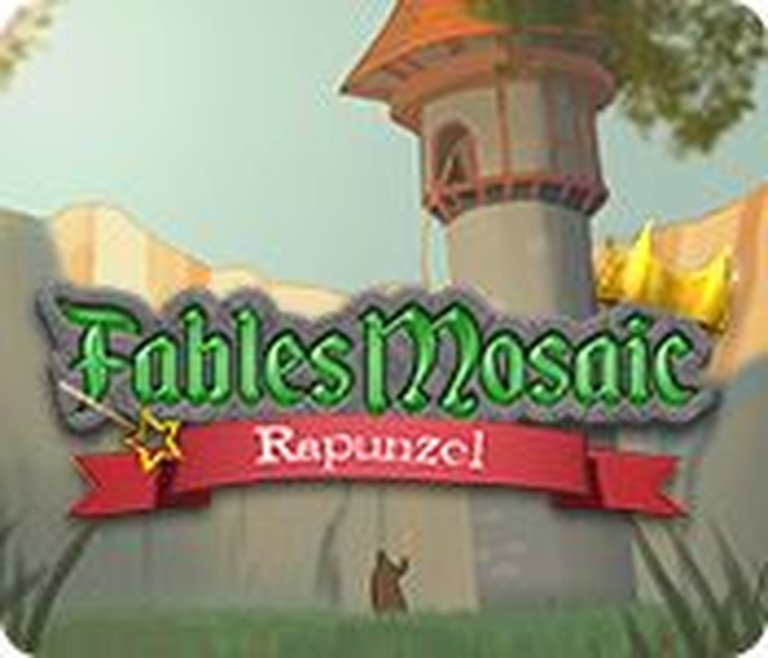
Fables Mosaic: Rapunzel is a puzzle game in the Fables Mosaic series that challenges players to solve a collection of colored nonograms (Picross) puzzles using logic, all while following the story of Rapunzel as she embarks on a journey to find true love.
Where to Buy Fables Mosaic: Rapunzel
PC
Fables Mosaic: Rapunzel Guides & Walkthroughs
Fables Mosaic: Rapunzel: Review
1. Introduction
In the ever-expanding cosmos of casual gaming, few genres offer the serene yet intellectually stimulating satisfaction of nonogram puzzles. Fables Mosaic: Rapunzel, a title from Brazilian developer Seven Sails Games, positions itself as a delightful fusion of logic puzzles and fairy-tale storytelling. Released in mid-2020 on Windows and macOS, with a subsequent Steam launch in July 2024, this entry in the Fables Mosaic series promises an enchanting journey through the classic Rapunzel narrative, albeit with a modern twist. At its core, the game presents a compelling thesis: that the intricate satisfaction of solving color-based logic puzzles can seamlessly intertwine with the timeless charm of a Grimm fairy tale, offering both cerebral engagement and narrative immersion. While it may not reinvent the wheel, Fables Mosaic: Rapunzel stands as a testament to the enduring appeal of accessible, story-driven puzzle experiences, particularly for players seeking a tranquil escape into fantasy worlds.
2. Development History & Context
Vision and Creation: Developed by Seven Sails Comunicacao e Desenvolvimento Ltda. (Seven Sails Games), a Brazilian studio specializing in mobile and casual titles, Fables Mosaic: Rapunzel represents the second installment in their Fables Mosaic series, following Little Red Riding Hood (2020). The developers’ vision was clear: to adapt classic fairy tales into accessible, color-based nonogram experiences. This approach was heavily influenced by the resurgence of picross games in the casual market and the enduring popularity of narrative-driven puzzle hybrids. The choice of Unity as the game engine facilitated cross-platform compatibility and enabled the implementation of the game’s core mechanic—multi-color nonogram grids—without prohibitive technical hurdles. The studio’s focus on polished, family-friendly content aligns with the broader mission of publisher Big Fish Games, a dominant force in the casual gaming space known for its emphasis on accessible, story-rich titles.
Technological Constraints and Gaming Landscape: Released during the height of the casual puzzle game boom on platforms like Big Fish Games and Steam, Fables Mosaic: Rapunzel operated within well-established genre conventions. Its minimal system requirements (Windows XP SP3, 200 MHz Pentium, 512 MB RAM, 500 MB storage) underscore its design philosophy: accessibility over graphical fidelity. The absence of complex 3D rendering or elaborate sound design allowed development resources to be channeled into puzzle design and narrative integration. The 2020 gaming landscape saw nonogram games thriving on PC and mobile, with titles like Picross series and Nonogram Puzzle finding dedicated audiences. Seven Sails Games capitalized on this niche by emphasizing the “twist” on the Rapunzel story and the appeal of a cohesive narrative spanning over 100 puzzles, distinguishing it from purely abstract puzzle collections.
3. Narrative & Thematic Deep Dive
Plot and Characters: The game retells the classic tale of Rapunzel, a princess locked in a tower by the witch Gothel, whose long hair serves as a ladder for her prince. However, Seven Sails Games promises a “twist” on this familiar narrative, though specifics remain vague in the available material. The story unfolds through brief text segments between puzzle levels, likely following Rapunzel’s imprisonment, the prince’s discovery, and her eventual liberation. Characters include Rapunzel herself (portrayed as resilient yet yearning), the valiant prince, and the antagonist Gothel. The dialogue, while minimal, is functional, serving to advance the plot and provide context for the puzzles. For instance, a puzzle depicting a tower might be preceded by a line about Gothel’s jealousy.
Dialogue and Story Integration: The narrative integration is primarily visual rather than textual. Each completed nonogram contributes to a larger mosaic, revealing scenes pivotal to the story—a tower, a forest, a kiss, or a wedding. This “show, don’t tell” approach aligns with the puzzle genre’s strengths, turning progress into a visual reward. While the dialogue lacks depth, it effectively bridges gaps between puzzles, ensuring players remain invested in Rapunzel’s journey toward freedom and love.
Underlying Themes: The narrative explores timeless fairy-tale themes: the yearning for freedom and autonomy, the triumph of love over adversity, and the deceptive nature of appearances (symbolized by Gothel’s manipulation). The “twist” likely recontextualizes these themes, perhaps subverting expectations (e.g., Rapunzel’s active role in her escape or a reinterpretation of Gothel’s motives). The game’s emphasis on logic-solving as a metaphor for unlocking secrets reinforces the theme of enlightenment through intellect, positioning the player as a co-creator of Rapunzel’s destiny.
4. Gameplay Mechanics & Systems
Core Gameplay Loop: The gameplay revolves around solving nonogram puzzles, also known as picross or griddlers. Players fill or mark cells in a grid based on numerical clues for each row and column, revealing a pixel-art image. Fables Mosaic: Rapunzel distinguishes itself through its use of multiple colors, requiring players to manage several color layers simultaneously. Each puzzle corresponds to a story moment, creating a clear progression path from start to finish.
Mechanics and Innovations: The core mechanics are faithful to the nonogram formula: logical deduction is paramount, with no guesswork required. The introduction of colors adds complexity, as players must dedicate cells to specific hues based on color-coded clues, enhancing the challenge. This mechanic elevates the game beyond monochrome nonograms, appealing to veterans seeking depth. Innovation lies in the customizable tiles feature, allowing players to alter the appearance of filled cells, adding a personal touch to the experience. A gallery of completed mosaics serves as both a reward and a story recap, encouraging replayability.
UI, Progression, and Flaws: The user interface is clean and intuitive, with clear controls for toggling cell states, accessing hints, and navigating the story. Progression is linear, with 100 levels increasing in grid size and complexity. However, the game’s adherence to traditional nonogram rules means it lacks groundbreaking innovations. Some players may find the reliance on visual storytelling over dialogue shallow, and the absence of a narrative twist (as advertised) could be seen as a missed opportunity. The puzzles, while well-designed, may feel repetitive to genre veterans, and the difficulty curve plateau in later stages.
5. World-Building, Art & Sound
Setting and Atmosphere: The game’s world is a vibrant, stylized rendition of the Rapunzel fairy-tale universe. Environments include the oppressive yet picturesque tower tower, the lush forest surrounding it, and the opulent kingdom. The setting emphasizes contrast: the confinement of the tower versus the freedom of the outside world, creating a palpable sense of longing and wonder.
Art Direction: The visual style is charmingly cartoonish, with bright, saturated colors that evoke storybook illustrations. Each nonogram solution transforms into a detailed mosaic, showcasing characters and locales with personality. For example, Rapunzel might be depicted with flowing golden hair, while the prince appears in regal attire. The gallery feature highlights these artworks, turning puzzle-solving into a narrative-driven art collection. The art’s simplicity ensures clarity in puzzles, while its whimsy reinforces the fairy-tale tone.
Sound Design: Sound design is minimalistic, focusing on functional elements like satisfying “clicks” for cell fills and gentle chimes for puzzle completion. Background music likely consists of light, ambient fairy-tale melodies, though specifics are unconfirmed. The absence of voice acting or elaborate sound effects aligns with the game’s casual, puzzle-centric nature. While the audio experience is unobtrusive, it lacks depth, potentially diminishing immersion for players seeking richer auditory storytelling.
Overall Impact: The art direction elevates the game beyond a mere puzzle suite, making each solved mosaic feel like a storybook page turned. The visuals provide crucial context for the narrative, while the restrained sound design ensures the gameplay remains the focal point. Together, they create a cohesive, enchanting atmosphere that complements the fairy-tale theme.
6. Reception & Legacy
Launch Reception: At its 2020 release, Fables Mosaic: Rapunzel garnered minimal critical attention. Metacritic lists no critic reviews, and MobyGames’ player review section is empty, suggesting the game flew under mainstream radar. On Steam, where it reappeared in 2024, it has only one user review—a positive vote but lacking detail. Its release as a Big Fish Games title likely secured it a dedicated audience of casual puzzle enthusiasts, but it failed to achieve widespread acclaim or commercial breakout status.
Legacy and Evolution: The game’s primary legacy lies in its contribution to the Fables Mosaic series, which continued with Cinderella (2020) and Snow White (2021). While not revolutionary, it refined the formula of integrating nonograms with fairy tales, demonstrating a viable template for narrative-driven puzzle games. Its inclusion on Nintendo Switch (announced for 2025) via Ocean Media signals ongoing relevance in the casual market, where accessibility and portability are paramount. However, the absence of critical discourse or player reviews indicates it did not significantly influence the broader gaming landscape beyond its niche.
Long-Term Reputation: Over time, Fables Mosaic: Rapunzel may be remembered as a competent but unremarkable entry in the nonogram genre. Its strengths—charming art, solid puzzle design, and effective narrative integration—ensure a place in the hearts of fans of fairy-tale puzzles. Yet, its lack of innovation and shallow narrative “twist” prevent it from achieving cult status. The game’s legacy is likely tied to the series as a whole, serving as a stepping stone for future iterations rather than a standalone landmark.
7. Conclusion
Fables Mosaic: Rapunzel is a charming and well-executed nonogram game that successfully marries puzzle-solving with fairy-tale storytelling. Its strengths lie in its accessible gameplay, vibrant art direction, and the gratifying progression of puzzles that visually recapitulate Rapunzel’s journey. The introduction of multi-color puzzles and customizable tiles adds welcome complexity, while the gallery feature rewards completion with aesthetic delight. However, the game’s narrative ambitions are undermined by its minimal dialogue and an unspecified “twist” that fails to deliver significant innovation. Its technical simplicity and adherence to genre conventions make it accessible but not groundbreaking.
In the pantheon of puzzle games, Fables Mosaic: Rapunzel holds a respectable but not revolutionary place. It excels as a casual title for players seeking serene, logic-based escapism into fantasy worlds, particularly those enchanted by fairy tales. While it may not challenge the giants of the nonogram genre, its dedication to atmosphere and progression ensures a satisfying experience. For fans of Fables Mosaic or newcomers to picross games, it is a worthy addition to the collection. Yet, for those seeking narrative depth or mechanical innovation, it remains a pleasant, if ephemeral, diversion. Ultimately, Fables Mosaic: Rapunzel is a testament to the enduring appeal of well-crafted, accessible puzzles—a game that, like Rapunzel’s hair, weaves a clear, colorful, and ultimately rewarding path from start to finish.