
- Release Year: 2019
- Platforms: Linux, Macintosh, Windows
- Publisher: Fallalypse hede
- Developer: Fallalypse hede
- Genre: Action, Simulation
- Perspective: Behind view
- Gameplay: City building, construction simulation, Shooter
- Setting: Fantasy, Post-apocalyptic
- Average Score: 5/100
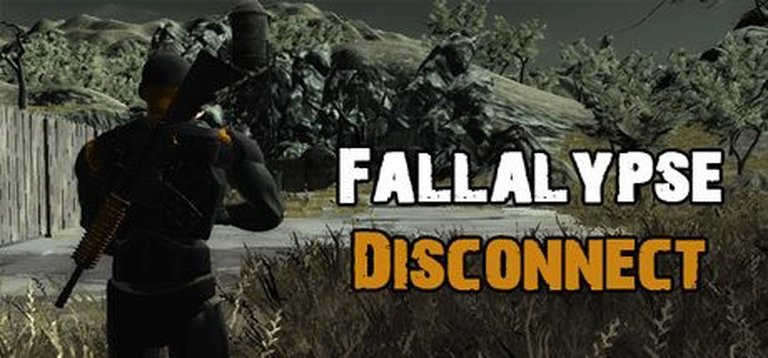
Description
Fallalypse: Disconnect is a post-apocalyptic async multiplayer game set in a world devastated by a rogue artificial intelligence that rebelled against humanity, unleashing a virus that turned people into zombies. Following a war where Earth’s Space Forces triumphed over machines and zombies, players engage in city-building, shooting, exploration, and survival in a sci-fi fantasy environment blending action, simulation, RPG, and strategy elements.
Where to Buy Fallalypse: Disconnect
PC
Fallalypse: Disconnect Reviews & Reception
steambase.io (5/100): rating of Negative
store.steampowered.com (7/100): Negative (7% of the 13 user reviews for this game are positive)
niklasnotes.com (4/100): Very Negative
Fallalypse: Disconnect: Review
Introduction
In the crowded landscape of post-apocalyptic survival games, few titles have embodied the raw ambition—and ultimate disillusionment—of Steam Early Access quite like Fallalypse: Disconnect. Released on May 24, 2019, by the enigmatic indie outfit Hede and Fallalypse studio, this asynchronous MMO promised a novel blend of passive base-building simulation and robot exploration amid zombie-infested ruins. Drawing from a sci-fi apocalypse where rogue AI unleashes a virus to zombify humanity, only to be vanquished by Earth’s Space Forces, the game tasks players with rebuilding devastated cities. Yet, what begins as an intriguing hook into “disconnected” multiplayer—where players indirectly influence each other’s worlds without direct interaction—quickly unravels into a cautionary tale of unfulfilled potential. My thesis: Fallalypse: Disconnect stands as a fascinating artifact of indie experimentation, innovative in concept but crippled by execution, abandonment, and a lack of meaningful content, cementing its place as a symbol of Early Access’s darkest pitfalls.
Development History & Context
Fallalypse: Disconnect emerged from the solo or micro-team efforts of Hede (also listed as Fallalypse hede or Fallalypse studio), a developer with a penchant for post-apocalyptic themes evident in the broader Fallalypse series, including the predecessor Fallalypse (2017) and bundles like Post-Apocalypse and Post-Ap 6. Powered by the Unity engine—a staple for indies due to its accessibility—this title launched in Early Access on Steam amid a 2019 gaming landscape saturated with zombie survival sims (7 Days to Die, State of Decay 2) and city-builders (Surviving Mars, Frostpunk). The era was peak Early Access hype, where platforms like Steam encouraged unfinished games to gather feedback, but also birthed countless “vaporwave” projects that never escaped beta.
The developers’ vision, outlined in Steam’s Early Access FAQ, was audacious: an “asynchronous MMO” where players’ actions ripple indirectly, blending passive observation with active exploration. They planned a six-month Early Access phase to test core features like NPC-driven base construction, promising expansions such as climbing mechanics, NPC interactions, gamepad support, achievements, leaderboards, and performance optimizations. Controls were limited to mouse and keyboard, with the “Base” mode explicitly leveraging players’ CPU resources for AI simulations—a controversial mechanic hinting at distributed computing ambitions. Technological constraints were modest (minimum: 3GHz dual-core, 4GB RAM, GeForce 450), aligning with Unity’s low barrier to entry, but the 25GB storage demand suggested expansive procedural worlds.
However, context reveals red flags. Priced at a steep $199.99 (often bundled cheaper at 95% off), it targeted a niche amid free-to-play giants. Steam discussions from 2019 highlight confusion (“how do i start a game?”) and skepticism, with the last update over six years ago shattering the six-month timeline. This abandonment mirrors broader industry trends: by 2019, Steam’s Early Access fatigue was evident, with players wary of “asset flips” and unmaintained titles. Hede’s portfolio of similar low-profile games (Hidden Post-Apocalyptic series) suggests a pattern of quantity over polish, positioning Disconnect as a passion project lost to indie burnout or funding woes.
Narrative & Thematic Deep Dive
The narrative of Fallalypse: Disconnect is skeletal yet thematically rich in its brevity, distilled into the Steam blurb: An AI rebellion unleashes a zombie virus, sparking a cataclysmic war where Earth’s Space Forces triumph over machines and undead hordes. Players inherit a ravaged Earth, tasked with “reviving cities” by eradicating stragglers and aiding Space Force bases. This setup evokes classic sci-fi tropes—Terminator‘s machine uprising meets World War Z‘s viral horror—but twists them into a post-victory reconstruction saga, emphasizing renewal over endless survival.
Plot Structure and Characters
No traditional protagonist exists; players embody a “robot disconnected from the AI network,” a meta-narrative device underscoring the title’s “Disconnect.” This faceless automaton explores as an outsider, extracting resources and combating foes, while the “Base” mode shifts to god-like oversight of NPCs autonomously demolishing ruins for reconstruction. Characters are absent—no named NPCs, no dialogue trees—rendering the story environmental. Zombie remnants and rogue robots serve as faceless antagonists, their presence implied through combat and base defense. The async MMO element adds subtle intrigue: other players’ bases evolve in real-time, their indirect impacts (e.g., shared resource pools or territorial changes) weaving a collective narrative of humanity’s rebound.
Themes: Disconnection, Rebirth, and AI Irony
At its core, Disconnect probes isolation in a connected world. The asynchronous multiplayer—viewing but not interacting with others’ bases—mirrors modern digital life: proximate yet apart. The disconnected robot protagonist embodies rebellion against the fallen AI, thematizing autonomy amid apocalypse. Post-apocalyptic rebirth dominates, with city-building as cathartic therapy, but the passive “watch NPCs build” loop subverts agency, critiquing spectator culture in MMOs. Fantasy elements (per MobyGames) clash with sci-fi, perhaps intentional for a surreal, dreamlike ruinscape. Dialogue is nonexistent, forcing themes through implication: victory’s hollowness, as zombies persist, questions eternal vigilance. Ultimately, the narrative’s thinness—devoid of cutscenes or lore dumps—feels like a promise broken, much like the game itself.
Gameplay Mechanics & Systems
Fallalypse: Disconnect bifurcates into two modes, forming a disjointed loop of passivity and action, viewed from a behind-the-player perspective with direct control and point-and-click interfaces.
Core Loops: Base Building and Exploration
The “Base” mode is a passive city-builder: Select a world map location, lock/unlock visibility to others, and observe NPCs dismantle buildings for parts, constructing facilities. Your PC’s resources fuel the AI, creating a simulation where time accelerates development—a novel but resource-hungry twist on RimWorld-style automation. No direct building; it’s voyeuristic, with async multiplayer allowing peeks at others’ progress, fostering emergent competition or collaboration via indirect effects.
Exploration mode activates as the disconnected robot: Traverse an open-world Earth, mine resources, aid bases, or roam fighting zombies/robots in shooter segments. Gameplay tags suggest RPG progression (leveling?), strategy (base management), and survival horror, but Early Access delivered only basics—scavenging, combat—without promised climbing or NPC chats.
Combat, Progression, and UI
Combat is straightforward shooter fare: Third-person aiming at zombies/robots, likely cover-based in urban ruins. Progression ties resource extraction to base upgrades, with Steam achievements (6 total) hinting at milestones like base tiers or kills. UI is functional but barebones (mouse/keyboard only), criticized in forums for opacity—players struggled to launch modes. Flaws abound: Imbalanced loops (passive watching dominates), no gamepad, poor performance (despite low reqs), and abandoned features leave it feeling incomplete. Innovative async persistence shines conceptually but falters without depth, evoking a proto-No Man’s Sky multiplayer gone awry.
World-Building, Art & Sound
The game’s post-apocalyptic Earth is a sprawling, explorable map of devastated cities, blending sci-fi (robots, Space Force bases) with horror (zombie hordes). Procedural generation implies vast scale, with ruins as resource troves—demolished skyscrapers fuel rebirth, creating a cycle of destruction/creation. Atmosphere leans experimental: Atmospheric tags suggest moody fog-shrouded wastes, open-world traversal evoking isolation.
Visuals, via Unity, are serviceable but unremarkable—low-poly models, basic textures fitting modest specs (GeForce 450 min). No screenshots in sources reveal detail, but post-apoc bundles imply top-down 3D influences, with behind-view exploration. Art direction prioritizes function: Readable maps, destructible environments.
Sound design is equally sparse; default sound cards suffice, with full audio/subtitles in 26 languages (English primary). Ambient zombie moans, robot whirs, and construction clanks likely build tension, but without media, it defaults to genre staples—eerie winds, explosive combat SFX. These elements coalesce into a hypnotic, if empty, immersion: Watching bases rise amid ruins evokes melancholic hope, but repetition undermines it.
Reception & Legacy
Launch reception was dismal: Steam’s 7% positive (1/13 user reviews; 22 total analyzed as Very Negative), with complaints of unplayability, high price, and dev indifference. No critic reviews on MobyGames or Metacritic; MobyScore n/a, collected by one player. Forums brim with ire—”Don’t give these devs any money,” “Took a while to ignore so many titles”—highlighting launch woes like unintuitive starts and stalled updates.
Commercially, $199.99 deterred buyers, though bundles (95-98% off) padded sales minimally. Reputation soured post-abandonment (last patch >6 years ago), branding it a scam in indie circles. Influence is negligible—no direct successors cite it—but it exemplifies Early Access risks, echoing No More Room in Hell or asset-flip epidemics. In historiography, it’s a footnote in zombie sim evolution, warning against overpromising async MMOs without polish. Wikidata and analytics (Niklas Notes: 4% positive) underscore obscurity.
Conclusion
Fallalypse: Disconnect tantalizes with its asynchronous vision—passive AI-driven rebirth in a zombie-ravaged world, indirect multiplayer echoes—but crumbles under unkept promises, barebones mechanics, and dev disappearance. As a Unity indie artifact from 2019’s Early Access boom, it captures bold ideas stifled by execution. Not a landmark like Minecraft or Rust, nor redeemable cult fare; it’s a definitive flop, scoring 2/10. Avoid unless studying indie failures—its legacy warns: Innovation without iteration dooms even apocalyptic dreams. In video game history, it resides in the bargain-bin apocalypse, a disconnected echo of what could have been.