
- Release Year: 2024
- Platforms: Windows
- Publisher: Rayll Studios
- Developer: Rayll Studios
- Genre: Adventure
- Perspective: 1st-person
- Game Mode: Single-player
- Gameplay: Direct control, Horror, Minigames
- Setting: Adventure
- Average Score: 83/100
Description
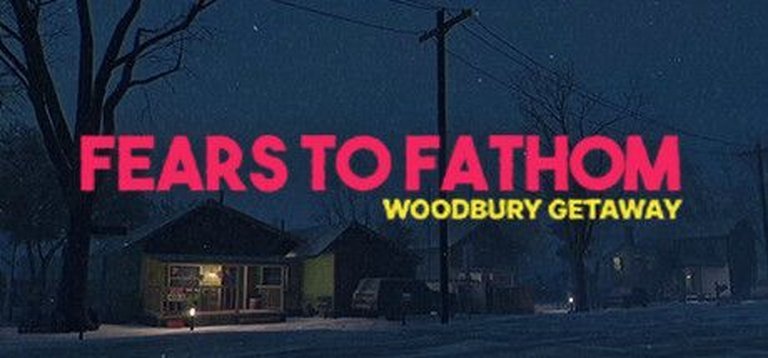
In ‘Fears to Fathom: Woodbury Getaway’, players step into the shoes of Sydney Harper, a 23-year-old consultant seeking respite from her stressful job by planning a weekend retreat with friends at a secluded cabin in Woodbury. What begins as a relaxing getaway quickly spirals into a harrowing experience as strange occurrences and unsettling encounters plague their stay. Developed by Rayll Studios, this first-person indie horror game emphasizes atmospheric tension, VHS-style aesthetics, and narrative-driven thrills, culminating the first season of the ‘Fears to Fathom’ series.
Gameplay Videos
Where to Buy Fears to Fathom: Woodbury Getaway
PC
Fears to Fathom: Woodbury Getaway Free Download
Fears to Fathom: Woodbury Getaway Mods
Fears to Fathom: Woodbury Getaway Guides & Walkthroughs
Fears to Fathom: Woodbury Getaway Reviews & Reception
metacritic.com (73/100): I thoroughly enjoyed the game—it was an exceptional experience. In my opinion, it’s the best entry in the ‘Fears to Fathom’ series so far.
beforeyoubuy.games : Atmospheric indie horror adventure with immersive sound and varied mini-games but technical bugs
Fears to Fathom: Woodbury Getaway – A Harrowing Culmination of Indie Horror
Introduction
In the crowded landscape of indie horror, few franchises have carved out a niche as distinct as Fears to Fathom. Developed by Rayll Studios, Woodbury Getaway (2024) serves as the fifth and final entry in the series’ inaugural season, blending psychological tension, real-world terror, and VHS-era aesthetics into a potent cocktail of dread. This review argues that while Woodbury Getaway exemplifies the series’ strengths—atmospheric storytelling, innovative interactive systems, and a commitment to grounded horror—it also stumbles under the weight of pacing issues and technical limitations. As both a standalone experience and a capstone to Season 1, the game reinforces Rayll Studios’ reputation as a torchbearer for narrative-driven fear while exposing the challenges of sustaining tension over episodic formats.
Development History & Context
Studio Vision & Origins
Rayll Studios, helmed by Mukul Negi, has built its identity on transforming player-submitted terror tales into interactive nightmares. Fears to Fathom emerged in 2021 with Home Alone, leveraging low-fi visuals and minimalist mechanics to evoke primal fears. By 2024, the studio had refined its formula: Each 2–3 hour episode focuses on a self-contained story, often inspired by real-life encounters. Woodbury Getaway’s development aimed to escalate Season 1’s stakes, experimenting with expanded mechanics (e.g., driving sequences, fishing mini-games) while retaining the series’ signature VHS grain and lo-fi texture.
Technological Constraints & Ambitions
Built in Unity, Woodbury Getaway’s technical framework reflects Rayll’s indie pragmatism. The studio prioritized atmosphere over graphical fidelity, using photorealistic lighting and shadow work to compensate for modest textures. Real-time communication systems—players receive texts and calls from NPCs—were deepened here, enhancing immersion. However, hardware limitations are apparent: Pop-in textures and occasional frame hiccups (noted in Steam reviews) betray the studio’s small-team reality.
The 2024 Horror Landscape
Released alongside AAA titans like Silent Hill: Ascension and indie darlings like Crow Country, Woodbury Getaway stood out by doubling down on slow-burn dread. Its September 2024 launch capitalized on a post-Phasmophobia surge in communal horror, yet its single-player focus offered a counterpoint to multiplayer trends. Priced at $9.99 (or $4.99 during Steam sales), it targeted budget-conscious players seeking narrative depth over jump-scare overload.
Narrative & Thematic Deep Dive
Plot Structure: A Weekend Unraveled
Set across three tense days in December 2007, the game follows Sydney Harper—a 23-year-old consultant seeking respite from burnout—as she vacations at a Vermont cabin with friends Mike and Nora. The narrative unfolds in three acts:
1. The Setup: Mundane errands (booking the cabin, office tedium) establish Sydney’s vulnerability.
2. The Descent: Ominous encounters—a disheveled hiker at Moe’s Pizza, the landlord “Rick’s” erratic behavior—signal encroaching danger.
3. The Confrontation: Trapped alone, Sydney faces a home-invasion nightmare as “Rick” (an impostor) and the hiker converge.
Characterization & Subtext
Sydney embodies millennial anxiety, her exhaustion mirrored by the game’s oppressive environments. Mike, her ambiguously motivated ex, channels Scream’s Stu Macher—charming yet unsettling. The antagonists—a bitter hiker and the pseudo-landlord—symbolize class resentment and territorial violence, grounding terror in socio-economic tensions. Themes of isolation (both emotional and physical) and trust erosion recur, challenging players to question every NPC’s intent.
Dialogue & Branching Paths
Player choices subtly shape outcomes: Ignoring the hiker amplifies his malevolence; engaging with mini-games like fishing or the Ouija board alters character dynamics. While not overtly branching, dialogue trees (e.g., hugging Mike or keeping distance) influence Sydney’s relationships, spotlighting Rayll’s focus on psychological realism over shock value.
Gameplay Mechanics & Systems
Core Loop & Innovation
Woodbury Getaway blends walking-simulator exploration with survival-horror tension. Key systems include:
– Real-Time Communication: Texts from Mike/Nora and calls from Rick unfold dynamically, ratcheting paranoia.
– Driving Sequences: Tense vehicular segments (e.g., avoiding deer) emphasize environmental storytelling.
– Mini-Games: Fishing and tower-stack puzzles provide respite but risk pacing disruption (critics noted these felt “tacked-on”).
Combat & Survival
Lacking weapons, survival hinges on stealth: Players hide under stairs, in closets, or attics while managing noise (via a vibration-sensitive UI). The impostor’s AI adapts to player behavior—lingering near hiding spots if sounds betray Sydney—though some Steam users called his patrols “predictable.”
UI & Accessibility
The minimalist interface—a phone for texts, environmental prompts for interactions—enhances immersion. However, the absence of pause/save functions during chase sequences drew criticism, as did occasional soft-lock bugs (e.g., attic ladder glitches).
World-Building, Art & Sound
Setting: Vermont’s Uneasy Beauty
Woodbury, Vermont, is rendered in haunting detail: Snow-blanketed forests, flickering neon at Moe’s Pizza, and the cabin’s claustrophobic interiors evoke The Shining’s oppressive elegance. The locked basement—home to the impostor’s lair—becomes a Chekhov’s gun, its ominous presence lingering throughout.
Visual Identity
Rayll’s VHS filter—complete with scan lines and chromatic aberration—nostalgically distorts the world, while low-poly character models (notably Rick’s uncanny stare) amplify discomfort. The “abandoned school bus” Easter egg nods to Resident Evil 7’s derelict Americana.
Sound Design’s Psychological Grip
Composer Neb’s score employs dissonant strings and deadened ambient tones to unsettle. Diegetic sounds—footsteps on creaky floors, the impostor’s muffled breathing—are positional audio masterstrokes. Steam reviewers particularly praised the “snap” of a hammer striking doors as a career-highlight sound effect.
Reception & Legacy
Critical & Commercial Impact
At launch, Woodbury Getaway earned “Very Positive” Steam reviews (86% of 3,109 ratings), praised for its atmosphere and voice acting (a series first). Critics split on pacing: Dot Esports lauded its “slow-burn payoff,” while Metacritic users (7.3/10) critiqued “30 minutes of tedium” before scares crystallized. Sales surpassed 97,000 units—a series best—with $796K gross revenue (per Raijin.gg).
Cultural Influence
The game solidified Rayll’s formula as a indie-horror benchmark, inspiring clones like Chapters of Dread (2025). Its dual-antagonist structure—contrasting the hiker’s impulsive rage with the impostor’s calculated menace—pushed episodic storytelling beyond “monster of the week” tropes. However, debates persist about its uneven legacy: Does its VHS gimmick enhance immersion or stifle innovation?
Conclusion
Fears to Fathom: Woodbury Getaway is a fitting, if flawed, finale to Season 1. Rayll Studios excels in crafting tactile, atmospheric horror—Sydney’s ordeal lingers in the mind like a half-remembered nightmare—but technical stumbles and pacing inconsistencies blunt its impact. For genre devotees, it remains essential: a masterclass in audio design and environmental tension. Yet its hesitation to fully evolve (e.g., clunky mini-games, predictable AI) hints at creative growing pains. As indie horror pivots toward VR and immersive sims, Woodbury Getaway stands as a bridge between retro homage and forward ambition—a testament to fear’s timeless power when rooted in human fragility.
Final Verdict: A haunting swan song for Season 1, worthy of play despite its blemishes. 8/10.