
- Release Year: 2011
- Platforms: Windows
- Publisher: ak tronic Software & Services GmbH, Electronic Arts, Inc.
- Developer: Bright Future GmbH
- Genre: Simulation, Sports, Strategy, Tactics
- Perspective: Diagonal-down
- Game Mode: Hotseat, Online PVP, Single-player
- Gameplay: Business simulation, Character development, Managerial, Training
- Setting: Football (European), Soccer
- Average Score: 90/100
Description
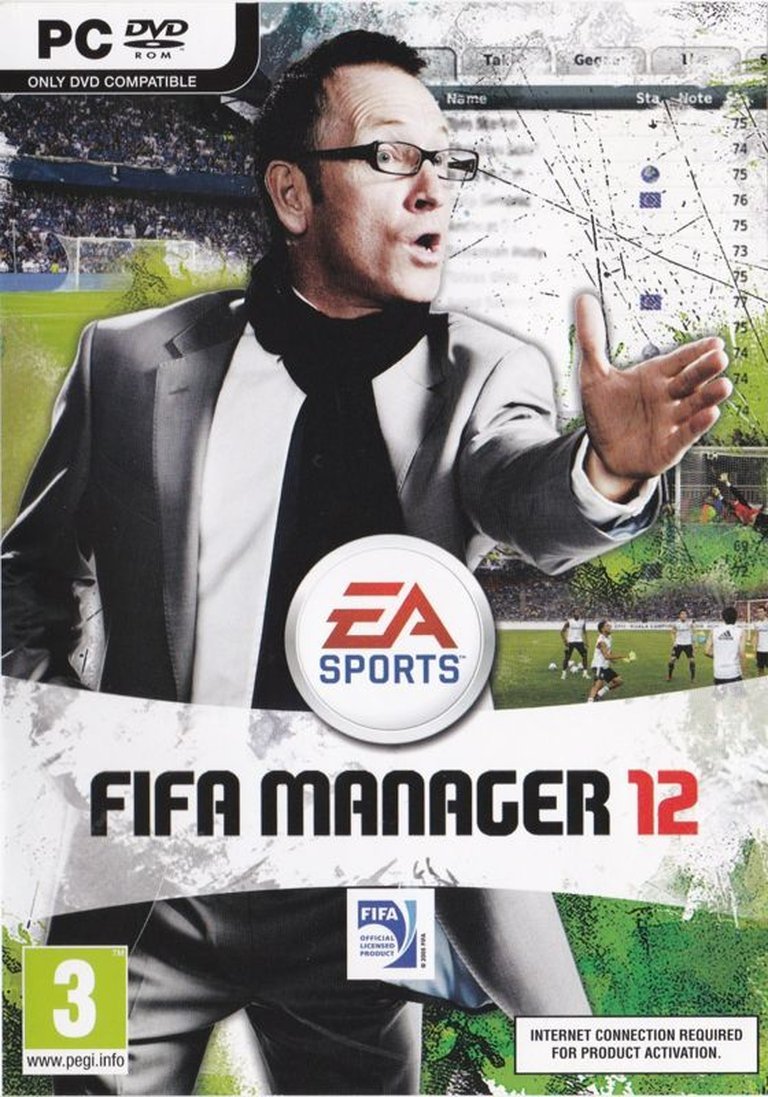
FIFA Manager 12 is a soccer management simulation where players take control of a team, overseeing all aspects from training and tactics to transfers, sponsorship deals, and stadium expansion. Matches can be experienced in either a 3D visual mode or text-based commentary, while managerial success opens opportunities to lead more prestigious clubs. The game introduces an overhauled 3D match engine with real-time tactical adjustments, revamped financial systems, improved transfer market AI, and expanded customization options, building on the depth of its predecessors.
Gameplay Videos
FIFA Manager 12 Free Download
FIFA Manager 12 Cracks & Fixes
FIFA Manager 12 Patches & Updates
FIFA Manager 12 Guides & Walkthroughs
FIFA Manager 12 Reviews & Reception
metacritic.com (90/100): After the very good, but unfortunately bugged FM 11, the developers are showing a little more courage to take risks again with the 12th edition. Last year’s version was limited to detail changes, while this year brings in a lot of new features. And this works out.
FIFA Manager 12: The Last Hurrah of EA’s Underdog Sim
FIFA Manager 12 stands as a fascinating relic in sports gaming history—an ambitious, deeply flawed, yet undeniably intricate managerial simulation that marked the penultimate gasp of EA’s long-running franchise. Released in 2011 against the backdrop of Sports Interactive’s Football Manager dynasty, this entry offered a sprawling, multifaceted take on football management that prioritized club-building minutiae over pure tactical obsession. Though its reputation remains divisive, FIFA Manager 12 deserves recognition for its maximalist vision even as it stumbled under the weight of its own ambition.
Development History & Context
Studio & Vision: Developed by Bright Future GmbH—a German studio embedded in EA’s ecosystem—FIFA Manager 12 was the 11th installment in a lineage stretching back to FIFA Soccer Manager (1997) and later rebranded from Total Club Manager. The series carved a niche by emphasizing off-pitch club management alongside on-field strategy. By 2011, EA aimed to refine the formula rather than reinvent it, responding to fan feedback from the bug-ridden FIFA Manager 11.
Technological Constraints: Built for Windows PCs, the game leveraged EA’s broader FIFA engine for its 3D match presentation but remained shackled by dated UI conventions. Licensing advantages (70+ leagues, 1,000+ clubs) compensated for technical limitations, though the engine struggled with AI pathfinding and visual polish compared to its FIFA cousin.
Gaming Landscape: The managerial sim market in 2011 was dominated by Sports Interactive’s Football Manager, which prioritized statistical depth and tactical nuance. EA’s counterargument was breadth: FIFA Manager 12 integrated corporate finance, stadium customization, and even personal life elements (like virtual romance) to create a “life simulator” beyond the touchline.
Narrative & Thematic Deep Dive
Unlike story-driven games, FIFA Manager 12’s “narrative” emerges dynamically from player-driven choices. Thematically, it explores power, ambition, and legacy:
- The Manager’s Journey: Players start as a rookie coach (create-a-manager or real-world icons like Joachim Löw) and navigate contracts, board expectations, and media scrutiny. Career progression isn’t tied to a single club—success attracts job offers from bigger teams.
- Club as Empire: The game frames football management as nation-building. Expanding stadiums, upgrading training facilities, and negotiating sponsorships mirror city-planning mechanics, evoking themes of growth and control.
- Personal Drama: Oddly intimate features like “private life” events (e.g., finding a partner) inject soap-opera levity but feel tonally disjointed from the business-sim core.
Characterization exists only through player interactions. Board members demand trophies; players complain about morale; agents manipulate transfer deals. Dialogue is functional—wireframe prose serving system-driven drama.
Gameplay Mechanics & Systems
Core Loop
The gameplay orbits three pillars:
1. Club Management:
– Financial Systems: Overhauled from FM11, budgets now included “trust” metrics—fans and boards lose faith with reckless spending.
– Infrastructure: Build training grounds, youth academies, and stadium additions (e.g., luxury boxes) with long-term ROI.
– Sponsorships: A “pyramid” system let players negotiate tiered deals, adding boardroom strategy.
-
Team Strategy:
- Training: Position-specific drills, fitness regimes (lactate tests debuted here), and morale management.
- Tactics: A granular system enabling real-time tweaks during 3D matches (e.g., telling a winger to hug the touchline).
-
Matches:
- 3D Engine: New “direct tactical intervention” allowed in-game adjustments. However, animations were wooden, and AI defenders often glitched.
- Text Simulations: Purists could sim matches via detailed text commentary.
Innovations & Flaws
- Pros: The financial/sponsorship depth was unmatched. The 3D engine, while janky, added immediacy.
- Cons:
- AI Quirks: Transfer logic remained exploitable; bizarre managerial offers (e.g., coaching Macedonia while managing a 4th-tier club) broke immersion.
- UI Clutter: Menus buried key features (PC Gems Germany noted “a tsunami of statistics”).
- Bugs: lingering scripting errors, like players “running like counterfeit money” (Computer Bild).
World-Building, Art & Sound
Visual Design:
– Matches: Charming but dated 3D models and animations, with stadiums feeling sterile. Crowd animations were repetitive.
– Menus: Functional spreadsheets with club crests and player photos adding authenticity. Stadium customization featured modular builds (e.g., adding stands).
Atmosphere:
– Licenses provided immersion (real kits, leagues), but generic regens diluted long-term saves.
– The game’s “world” extended beyond football—sponsor logos, staff meetings, and fan protests created a holistic club ecosystem.
Sound Design:
– Commentary: Universally panned. Critics called it “nonsensical” (e.g., praising a goalkeeper’s “good punch” seconds before conceding).
– Crowd Noise: Repetitive chants lacking dynamic responsiveness to match events.
Reception & Legacy
Launch Reception
Critics praised incremental improvements but noted missed potential:
– PC Games (Germany) (90%): “Realistic transfer AI and 3D mode save a solid update.”
– GameStar (85%): “Depth overwhelms, but EA’s vision of total control is thrilling.”
– Jeuxvideo (70%): “Forgettable—stick to Football Manager for tactics.”
Sales were modest, overshadowed by FIFA 12’s mainstream success.
Long-Term Impact
- Cult Following: Niche fans admired its corporate management focus, influencing later sims like Football Chairman.
- Series Decline: FIFA Manager 14 (2013) was the last entry, killed by EA’s sports studio consolidation. The franchise remains a cautionary tale about scope vs. polish.
- Modding Scene: Community patches fixed bugs and updated rosters for years post-launch.
Conclusion
FIFA Manager 12 is a fascinating time capsule—a game of staggering breadth hamstrung by technical limitations and identity crisis. Its attempt to marry SimCity-style management with football strategy yielded moments of brilliance (sponsorship deals, infrastructure building) but faltered in execution (AI, presentation). While not the genre king, it dared to ask: “What if managing a club meant more than just picking lineups?” For that ambition alone, it earns its place in gaming history—a flawed, sprawling ode to football’s behind-the-scenes chaos.
Final Verdict: A 7.8/10 curiosity. Essential for management sim completists; skippable for tactics purists.