
- Release Year: 1990
- Platforms: PC-98, Sharp X68000, Windows
- Publisher: Kure Software Koubou, MediaKite Distribution Inc.
- Developer: Kure Software Koubou
- Genre: Role-playing (RPG), Strategy, Tactics
- Perspective: Top-down
- Game Mode: Single-player
- Gameplay: Item management, Leveling up, Real-time combat, Recruiting soldiers, Tactical preparations
- Setting: Fantasy, Pseudo-historical
- Average Score: 55/100
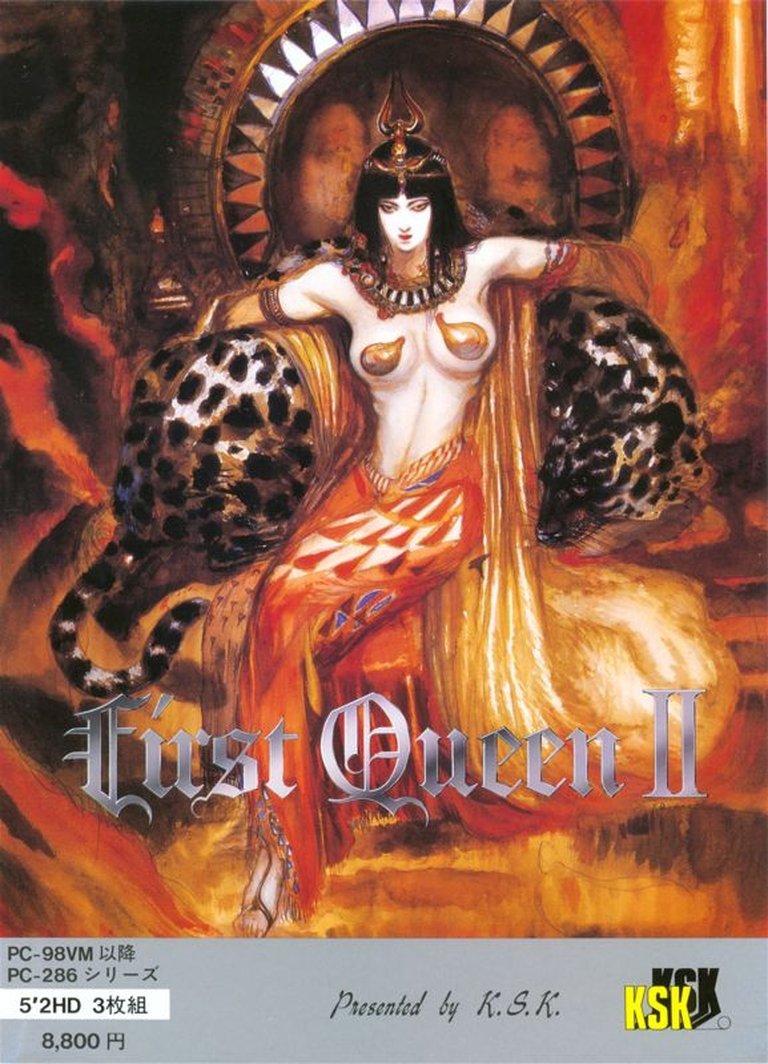
Description
First Queen II: Sabaku no Joō is a fantasy RPG-strategy hybrid set in a pseudo-historical world inspired by the Roman Empire, blending real-world elements with anachronisms and fantasy. Players take on the role of Aleph, a high-ranking Roman officer with no memory of his past, who is tasked with securing military aid from Alexandria to suppress a rebellion. The game combines traditional RPG mechanics—such as leveling up, equipping items, and interacting with NPCs—with strategic elements like recruiting soldiers and commanding a small army in real-time combat against large enemy forces.
Where to Buy First Queen II: Sabaku no Joō
PC
First Queen II: Sabaku no Joō Reviews & Reception
vgtimes.com (55/100): A top-down RPG with strategy and fantasy elements.
First Queen II: Sabaku no Joō: A Deep Dive into a Forgotten Classic
Introduction
In the annals of video game history, certain titles emerge as pivotal yet underappreciated gems, shaping genres and inspiring future innovations. First Queen II: Sabaku no Joō (1990) is one such game—a bold fusion of role-playing, strategy, and real-time combat that dared to defy the conventions of its era. Developed by Kure Software Koubou, this sequel to First Queen (1988) transports players to a pseudo-historical world where the Roman Empire collides with fantasy, anachronisms, and political intrigue. Despite its obscurity in Western markets, First Queen II stands as a testament to the creative ambition of Japanese PC gaming in the late 1980s and early 1990s.
This review aims to dissect First Queen II with the rigor it deserves, exploring its development context, narrative depth, gameplay mechanics, artistic vision, and lasting legacy. By examining its strengths and flaws, we can appreciate how this game carved a niche for itself in a crowded landscape and why it remains a fascinating artifact of gaming history.
Development History & Context
The Studio Behind the Game: Kure Software Koubou
Kure Software Koubou, founded by Eiji Kure, was a small but influential Japanese studio known for its innovative approach to game design. The studio’s portfolio included titles like Silver Ghost (1988) and the First Queen series, which blended RPG mechanics with strategic elements. First Queen II was developed during a period when Japanese PC gaming was flourishing, particularly on platforms like the PC-98 and Sharp X68000. These systems, though niche by today’s standards, were powerhouses of creativity, hosting games that pushed the boundaries of storytelling and gameplay.
The Vision: A Fusion of Genres
Eiji Kure’s vision for First Queen II was to create a game that seamlessly integrated RPG progression with real-time strategy and tactical combat. The first First Queen had already established this hybrid formula, but the sequel aimed to refine it, offering deeper character customization, expanded world-building, and a more cohesive narrative. The game’s pseudo-historical setting—mixing Roman Empire lore with fantasy elements—was a deliberate choice to create a world that felt both familiar and exotic.
Technological Constraints and Innovations
The PC-98, the game’s original platform, was a 16-bit computer with limited graphical and audio capabilities compared to modern systems. Despite these constraints, Kure Software Koubou leveraged the hardware to create a visually distinct and mechanically rich experience. The top-down perspective, real-time combat, and detailed pixel art were all optimized for the PC-98’s capabilities. The game’s later ports to the Sharp X68000 (1992) and Windows (2004) showcased its adaptability, though the core experience remained rooted in its 1990 origins.
The Gaming Landscape of 1990
The early 1990s were a transformative period for RPGs and strategy games. In Japan, titles like Dragon Quest and Final Fantasy dominated the console market, while PC games like Wizardry and Nobunaga’s Ambition thrived in the strategy and RPG spaces. First Queen II entered this competitive landscape as a hybrid, offering something distinct: a game where players could recruit and command an army while also engaging in personal character growth. Its real-time combat system was particularly notable, as many RPGs of the era relied on turn-based mechanics.
Narrative & Thematic Deep Dive
Plot Overview: Amnesia and Empire
First Queen II begins with Aleph, a high-ranking Roman officer, washing ashore with no memory of his past. This classic amnesia trope serves as a narrative hook, drawing players into a world where political intrigue and personal discovery intertwine. The game’s central conflict revolves around the Frankish rebellion against Rome, with Aleph tasked by the emperor to secure military aid from Alexandria. This mission sets the stage for a journey that spans deserts, cities, and battlefields, blending historical fiction with fantasy.
Characters and Dialogue
Aleph is a compelling protagonist, not just because of his amnesia but because of his role as both a warrior and a diplomat. His interactions with NPCs—ranging from loyal Roman soldiers to enigmatic desert rulers—flesh out the world and provide context for the game’s conflicts. While the dialogue is concise, it effectively conveys the stakes of Aleph’s mission and the moral ambiguities of empire-building.
The game’s supporting cast includes a mix of archetypal and unique characters. The Roman emperor, for instance, embodies the noble but beleaguered leader, while the Frankish rebels represent the chaotic forces of rebellion. The king of Alexandria, meanwhile, adds a layer of political complexity, as his allegiance is not guaranteed. These characters, though not deeply developed by modern standards, serve their roles well within the game’s narrative framework.
Themes: Memory, Power, and Identity
At its core, First Queen II explores themes of memory, power, and identity. Aleph’s amnesia is more than a plot device; it’s a metaphor for the fragility of history and the fluidity of personal identity. As players uncover Aleph’s past, they also grapple with the broader implications of empire—what it means to serve a power structure, the cost of loyalty, and the consequences of rebellion.
The game’s pseudo-historical setting reinforces these themes. By blending real-world Roman history with fantasy elements, First Queen II creates a world where the past is both tangible and malleable. This anachronistic approach allows the game to comment on the cyclical nature of history, where empires rise and fall, and where individual actions can shape the course of nations.
Storytelling Strengths and Weaknesses
First Queen II excels in creating a sense of adventure and discovery. The amnesia plot, while not original, is executed well, with each new revelation about Aleph’s past adding depth to his character. The game’s side quests—such as rescuing villagers or uncovering ancient ruins—further enrich the world, making it feel lived-in and dynamic.
However, the game’s narrative is not without its flaws. The dialogue can be stiff, and some characters feel underdeveloped. The political intrigue, while present, is not as nuanced as it could be, with clear-cut heroes and villains dominating the story. Additionally, the game’s pacing can be uneven, with long stretches of exploration punctuated by sudden bursts of combat.
Despite these shortcomings, First Queen II’s narrative is a strength. It provides a compelling backdrop for the gameplay, giving players a reason to care about their actions and the world they inhabit.
Gameplay Mechanics & Systems
Core Gameplay Loop: Recruitment and Exploration
First Queen II’s gameplay revolves around recruiting soldiers, managing an army, and exploring a vast world. Players begin with Aleph and gradually build a force by convincing townsfolk and mercenaries to join their cause. This recruitment system is central to the game’s strategy, as the composition of your army—archers, infantry, cavalry—directly impacts combat effectiveness.
Exploration is equally important. The game’s world is divided into towns, deserts, and battlefields, each with its own challenges and rewards. Players must navigate these environments, gathering resources, completing quests, and engaging in combat. The top-down perspective and real-time movement create a sense of immersion, making the world feel dynamic and unpredictable.
Combat: Real-Time Strategy Meets RPG Tactics
Combat in First Queen II is a hybrid of real-time strategy and RPG mechanics. Battles unfold on an overlay map, where players must position their units, issue commands, and adapt to enemy movements. The real-time nature of combat adds urgency, requiring quick decision-making and tactical awareness.
The game’s combat system is both innovative and flawed. On the one hand, it offers a level of depth rarely seen in RPGs of the era. Players must consider unit morale, weapon durability, and class-based roles, all of which influence the outcome of battles. On the other hand, the real-time mechanics can be overwhelming, especially in large-scale encounters where managing multiple units becomes chaotic.
Character Progression and Customization
Character progression in First Queen II is robust, with Aleph and his recruits gaining experience, leveling up, and acquiring new abilities. The game’s equipment system allows for extensive customization, with players able to outfit their army with weapons, armor, and magical items. This progression is tied to the game’s economy, as players must earn gold to purchase gear and supplies.
The game’s UI, while functional, is not without its quirks. The inventory system, for instance, can be cumbersome, requiring players to navigate multiple menus to equip items. Similarly, the world map, while detailed, lacks the polish of modern games, with some areas feeling repetitive or underdeveloped.
Innovative Systems: Morale and Tactics
One of First Queen II’s most innovative features is its morale system. Units in battle have morale levels that fluctuate based on their performance, the presence of leaders, and the overall tide of combat. High morale can turn the tide of a battle, while low morale can lead to routs and defeats. This system adds a layer of psychological depth to the gameplay, forcing players to consider not just the physical capabilities of their units but their mental state as well.
The game’s tactical depth is further enhanced by its class-based roles. Archers, for instance, are best positioned behind infantry, while cavalry excels at flanking maneuvers. Players must experiment with different formations and strategies to succeed, making each battle a unique challenge.
Flaws and Frustrations
Despite its innovations, First Queen II is not without its frustrations. The real-time combat, while engaging, can be punishing, especially for players unfamiliar with strategy games. The game’s difficulty curve is steep, with early battles often feeling overwhelming. Additionally, the lack of a pause feature in combat can make managing large armies a daunting task.
The game’s UI also leaves something to be desired. The inventory system, in particular, is clunky, requiring players to navigate multiple menus to equip items. Similarly, the world map, while detailed, can be difficult to navigate, with some areas feeling repetitive or underdeveloped.
World-Building, Art & Sound
Setting: A Pseudo-Historical Fantasy
First Queen II’s world is a fascinating blend of history and fantasy. The game’s setting—inspired by the Roman Empire but filled with anachronisms and magical elements—creates a sense of wonder and discovery. Players traverse deserts, cities, and battlefields, each with its own unique aesthetic and challenges.
The game’s pseudo-historical approach allows it to comment on the nature of empire and power. By blending real-world history with fantasy, First Queen II creates a world that feels both familiar and alien, inviting players to explore its depths and uncover its secrets.
Visual Direction: Pixel Art and Atmosphere
Visually, First Queen II is a product of its time, with a charming pixel-art style that balances historical authenticity with fantasy. The game’s towns and landscapes evoke the grandeur of the Roman Empire, while its deserts and ruins add a touch of exoticism. The character sprites, though small, are expressive, with distinct designs for Roman legionnaires, Frankish warriors, and desert guards.
The game’s animations, while limited by the hardware of the era, convey enough motion to feel dynamic. The occasional frame rate dip in larger battles serves as a nostalgic reminder of the game’s classic roots rather than a dealbreaker. The UI, while functional, is thoughtfully laid out, with clear icons for equipment, unit stats, and command menus.
Sound Design: MIDI and Atmosphere
The game’s sound design is equally impressive, with a MIDI-driven soundtrack that enhances the game’s atmosphere. The music, composed by Masaki Sasaki, ranges from triumphant battle themes to haunting desert melodies, each track reinforcing the game’s sense of place and mood.
The sound effects, while simple, are effective. The clash of swords, the twang of bowstrings, and the cries of battle all contribute to the game’s immersive combat. The lack of voice acting is noticeable but not detrimental, as the game’s text-based dialogue is sufficient to convey its story.
Reception & Legacy
Critical and Commercial Reception
First Queen II was released to a niche audience in Japan, where it was well-received by fans of strategy and RPG hybrids. Critics praised its innovative gameplay, deep customization, and ambitious world-building. However, the game’s steep learning curve and punishing difficulty limited its appeal to casual players.
Commercially, First Queen II was a modest success, selling enough copies to justify a Windows re-release in 2004. However, it never achieved the mainstream recognition of titles like Final Fantasy or Dragon Quest, remaining a cult classic among fans of retro gaming.
Evolution of Reputation
Over the years, First Queen II’s reputation has grown, particularly among retro gaming enthusiasts. Its hybrid gameplay, ambitious narrative, and unique setting have earned it a place in the pantheon of underappreciated classics. Modern players, while acknowledging its flaws, appreciate its innovations and the risks it took in blending genres.
Influence on Subsequent Games
First Queen II’s influence can be seen in later games that attempted to merge RPG and strategy mechanics. Titles like Ogre Battle and Final Fantasy Tactics owe a debt to First Queen II’s emphasis on army management and real-time combat. Similarly, the game’s pseudo-historical setting has inspired other developers to explore anachronistic worlds in their own titles.
Conclusion
First Queen II: Sabaku no Joō is a game that defies easy categorization. It is at once a deep RPG, a challenging strategy game, and a compelling narrative experience. Its hybrid gameplay, ambitious world-building, and innovative mechanics set it apart from its contemporaries, even as its flaws—steep difficulty, clunky UI, and uneven pacing—remind us of its era.
In the grand tapestry of video game history, First Queen II occupies a unique niche. It is a game that dared to blend genres when such experimentation was rare, and it did so with a level of ambition and creativity that remains impressive decades later. For fans of retro gaming, strategy RPGs, or historical fantasy, First Queen II is a title worth exploring—a forgotten classic that deserves to be remembered.
Final Verdict: 8.5/10 – A bold, innovative hybrid that stands the test of time, despite its flaws.