
- Release Year: 2018
- Platforms: Windows
- Publisher: OneShark
- Developer: OneShark
- Genre: Action RPG, Role-playing (RPG)
- Perspective: Side view
- Game Mode: Single-player
- Gameplay: Action RPG
- Setting: Fantasy
- Average Score: 74/100
Description
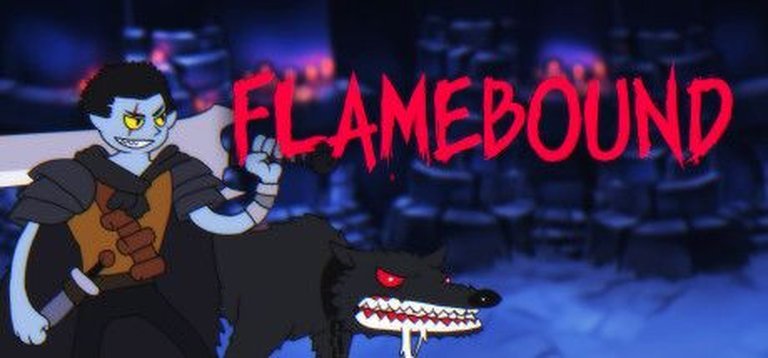
Flamebound is a 2D action RPG set in a fantasy world where players assemble a team of three heroes to explore procedurally generated dungeons filled with randomized enemies and bosses. With 18 unique heroes, each possessing distinct skills, players battle through four diverse dungeon biomes, collecting loot to upgrade their characters’ attack and health. The game features a tavern hub where players can unlock rare heroes using gold and fireshards, as well as a sacrifice system to combine and strengthen heroes. Flamebound emphasizes a no-cash-shop model, with rare currency like Firegems earned through gameplay, ensuring a pure, loot-driven adventure.
Where to Buy Flamebound
PC
Flamebound Guides & Walkthroughs
Flamebound Reviews & Reception
steambase.io (74/100): Flamebound has earned a Player Score of 74 / 100.
Flamebound: A Hidden Gem in the Dungeon-Crawling RPG Landscape
Introduction: The Allure of the Infinite Dungeon
Flamebound (2018), developed by the indie studio OneShark, is a 2D action RPG that carves its niche in the oversaturated dungeon-crawling genre. At first glance, it may appear as just another roguelike with procedurally generated dungeons, but beneath its pixelated surface lies a surprisingly deep and addictive experience. The game’s premise—assembling a team of three heroes to delve into endless, monster-infested dungeons—is simple, yet its execution is refined enough to stand out. With 18 unique heroes, four distinct biomes, and a robust progression system, Flamebound offers a compelling blend of strategy, loot-driven gameplay, and light management mechanics.
This review will dissect Flamebound in its entirety, exploring its development history, narrative and thematic depth, gameplay mechanics, artistic direction, and legacy. While it may not have achieved mainstream recognition, Flamebound deserves analysis for its ambitious design choices and its place in the evolution of indie RPGs.
Development History & Context: The Rise of OneShark
The Studio Behind the Game
OneShark, the developer and publisher of Flamebound, is a small indie studio with a portfolio of quirky, experimental titles. Their previous works, such as Gloom Punks and Doors of Insanity, demonstrate a penchant for blending action, strategy, and dark fantasy aesthetics. Flamebound continues this tradition, refining their approach to dungeon crawling with a stronger emphasis on team-based combat and progression.
Technological Constraints & Design Philosophy
Released in 2018, Flamebound was built using the Unity engine, a popular choice for indie developers due to its accessibility and flexibility. The game’s 2D side-scrolling perspective and pixel-art style reflect both technical limitations and a deliberate aesthetic choice, evoking nostalgia for classic dungeon crawlers like Castlevania and Spelunky while incorporating modern roguelike elements.
The development team’s vision was clear: create a game that prioritizes replayability through procedural generation, deep character customization, and a fair monetization model. Notably, Flamebound eschews microtransactions entirely—an increasingly rare feat in the modern gaming landscape. The in-game currency, Firegems, is earned through gameplay rather than real-world purchases, reinforcing the studio’s commitment to player-friendly design.
The Gaming Landscape in 2018
Flamebound launched during a golden age for indie RPGs and roguelikes. Games like Dead Cells (2017) and Hades (2020) had already proven that the genre could thrive with tight gameplay loops and stylish presentation. However, Flamebound distinguished itself by focusing on team-based dungeon crawling rather than solo heroics. While it didn’t achieve the same commercial success as its contemporaries, it carved out a dedicated niche audience appreciative of its unique blend of strategy and action.
Narrative & Thematic Deep Dive: A Minimalist Story with Dark Fantasy Undertones
Plot & Setting
Flamebound does not prioritize a complex narrative. Instead, it opts for a minimalist approach, framing its world as a series of endless dungeons teeming with monstrous foes. The game’s premise is straightforward: players assemble a team of heroes to descend into these dungeons, battling waves of enemies, collecting loot, and upgrading their squad.
The lack of a traditional story is not a flaw but a deliberate design choice. The game’s appeal lies in its gameplay systems rather than its lore. However, the dark fantasy aesthetic—complete with eerie dungeon biomes, grotesque enemies, and a hauntingly atmospheric soundtrack—creates an immersive backdrop that enhances the dungeon-crawling experience.
Characters & Progression
The game features 18 unique heroes, each with distinct abilities, strengths, and weaknesses. These heroes are divided into different rarity tiers, encouraging players to experiment with team compositions. The progression system revolves around:
– Unlocking new heroes via in-game currency (gold and Fireshards).
– Sacrificing duplicate heroes to upgrade existing ones, increasing their power.
– Equipping loot found in dungeons to enhance stats.
This system fosters a sense of long-term investment, as players must strategically decide which heroes to prioritize and how to allocate resources.
Themes: Persistence and Sacrifice
While Flamebound lacks a traditional narrative, its themes emerge through gameplay mechanics:
– The Cycle of Sacrifice: The “sacrifice” system, where players merge duplicate heroes to strengthen others, mirrors the game’s brutal difficulty. Success often requires discarding weaker units for the greater good.
– The Infinite Dungeon as a Metaphor: The procedurally generated dungeons symbolize an endless struggle, reinforcing the idea that progress is incremental and hard-won.
– Teamwork Over Individualism: Unlike many RPGs that focus on a single protagonist, Flamebound emphasizes synergy between heroes, rewarding players who balance their team’s strengths and weaknesses.
Gameplay Mechanics & Systems: A Dungeon Crawler with Depth
Core Gameplay Loop
Flamebound’s gameplay revolves around:
1. Assembling a Team: Players select three heroes from their roster, each with unique abilities.
2. Dungeon Exploration: Teams descend into procedurally generated dungeons, battling enemies, collecting loot, and facing bosses.
3. Progression & Upgrades: Gold and Fireshards earned in dungeons are used to unlock new heroes, upgrade existing ones, and purchase gear.
4. Repeat & Refine: The cycle continues, with each run offering new challenges and rewards.
Combat & Strategy
Combat is real-time and action-oriented, with players directly controlling their team’s movements and attacks. Key mechanics include:
– Positioning: Enemies and heroes occupy distinct lanes, requiring strategic placement to avoid overwhelming damage.
– Ability Synergy: Certain hero combinations create powerful combos, encouraging experimentation.
– Loot & Upgrades: Equipment found in dungeons can drastically alter a hero’s effectiveness, adding a layer of customization.
Innovative Systems
- The Tavern & Sacrifice Mechanic: The Tavern serves as a hub where players manage their roster. The sacrifice system—merging duplicate heroes to upgrade others—is a standout feature, adding a risk-reward element to progression.
- No Pay-to-Win Elements: Unlike many free-to-play dungeon crawlers, Flamebound avoids microtransactions entirely, relying solely on in-game earnings.
Flaws & Criticisms
While Flamebound excels in many areas, it is not without its issues:
– Repetitive Structure: The lack of a narrative or varied objectives can make long play sessions feel monotonous.
– UI & Quality-of-Life Issues: Some players have criticized the clunky inventory management and the absence of features like item sorting.
– Auto-Play Controversy: The inclusion of an auto-play feature, while convenient, undermines the game’s strategic depth, as some players find it more efficient than manual play.
World-Building, Art & Sound: Crafting a Dark Fantasy Atmosphere
Visual Design & Aesthetics
Flamebound employs a pixel-art style reminiscent of classic 16-bit RPGs, with a dark, moody color palette that enhances its fantasy setting. The dungeon biomes—each with distinct visual themes—add variety to the exploration, though the art style remains consistently grim and atmospheric.
Soundtrack & Audio Design
The game’s soundtrack is understated but effective, featuring eerie ambient tracks that complement the dungeon-crawling experience. Sound effects—from the clashing of swords to the groans of defeated enemies—are crisp and immersive, reinforcing the game’s dark fantasy tone.
Atmosphere & Immersion
While Flamebound lacks the narrative depth of games like Darkest Dungeon, its atmosphere is undeniably compelling. The combination of procedurally generated dungeons, haunting visuals, and a sense of perpetual danger creates a tense, engaging experience.
Reception & Legacy: A Cult Classic in the Making?
Critical & Commercial Reception
Flamebound received mixed but generally positive reviews from players, earning a 74/100 on Steambase based on 43 user reviews. Critics praised its:
– Addictive gameplay loop.
– Fair monetization model.
– Strategic depth in team composition.
However, some players criticized its:
– Repetitive structure.
– Lack of narrative depth.
– UI shortcomings.
Despite these flaws, Flamebound developed a dedicated fanbase, particularly among players who enjoy grind-heavy, loot-driven RPGs.
Influence & Legacy
While Flamebound did not revolutionize the genre, it contributed to the growing trend of team-based dungeon crawlers and fairly monetized indie RPGs. Its sacrifice mechanic and lack of microtransactions set a positive example for future indie developers.
Conclusion: A Flawed but Fascinating Dungeon Crawler
Flamebound is not a perfect game, but it is a compelling and underrated entry in the dungeon-crawling RPG genre. Its strengths—deep progression systems, strategic team-building, and a fair monetization model—outweigh its weaknesses, making it a worthwhile experience for fans of roguelikes and action RPGs.
Final Verdict: 7.5/10 – A Hidden Gem Worth Exploring
For players who enjoy grindy, loot-driven gameplay with a dark fantasy aesthetic, Flamebound delivers. While it may lack the polish or narrative ambition of bigger titles, its core mechanics and fair design make it a standout indie RPG.
Should You Play It?
✅ Yes, if you enjoy:
– Team-based dungeon crawling.
– Procedurally generated challenges.
– Deep progression systems without microtransactions.
❌ No, if you prefer:
– Story-driven RPGs.
– Fast-paced, narrative-heavy experiences.
– High-budget AAA production values.
Flamebound may not be a masterpiece, but it is a testament to the creativity and ambition of indie developers—and a game that deserves more recognition than it has received.