
- Release Year: 2020
- Platforms: Windows
- Publisher: Real Game Machine
- Developer: Real Game Machine
- Genre: Action
- Perspective: 1st-person
- Game Mode: Single-player
- Gameplay: Stealth, Survival horror
- Average Score: 67/100
- VR Support: Yes
Description
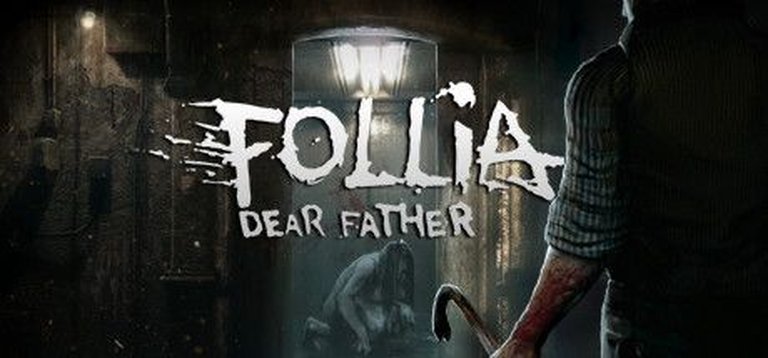
Follia: Dear Father is a first-person survival horror game set on a university campus that has been transformed into a nightmarish slaughterhouse. Players take on the role of Marcus Pitt, who must navigate the dimly lit corridors and explore every room to find his missing parents and unravel the mystery behind the horrors that have befallen the campus. With stealth and resourcefulness as key elements, Marcus must fight to survive and maintain his sanity in this immersive and atmospheric horror experience.
Gameplay Videos
Where to Buy Follia: Dear Father
PC
Follia: Dear Father Cracks & Fixes
Follia: Dear Father Guides & Walkthroughs
Follia: Dear Father Reviews & Reception
metacritic.com (70/100): Follia: Dear Father is a classic survival horror film that incorporates the Amnesia model and plays in a more contemporary key, at least on a thematic level.
opencritic.com (68/100): Follia: Dear Father is simple but intriguing survival horror made by small Italian software house. As many other indie titles, it is full of nice ideas but crippled by lots of imperfections.
steambase.io (64/100): Follia – Dear father has achieved a Steambase Player Score of 64 / 100. This score is calculated from 168 total reviews on Steam — giving it a rating of Mixed.
Follia: Dear Father: Review
Introduction
In the crowded landscape of survival horror, Follia: Dear Father (2020) stands as a testament to the audacity of small-studio ambition. Developed by the two-person Italian team Real Game Machine, this first-person horror experience thrusts players into a decaying university campus overrun by grotesque horrors. While its janky mechanics and uneven execution drew mixed reactions, Follia’s oppressive atmosphere and VR-enabled dread solidify its place as a curious artifact of indie horror—a flawed but fascinating experiment in terror.
Development History & Context
The Vision of Real Game Machine
Founded by Mirko Scarici, Real Game Machine aimed to distill the essence of classic survival horror into a modern, VR-ready package. With only two developers and financial backing from the company Steve Jobs (unrelated to Apple’s co-founder), the team prioritized atmospheric storytelling over AAA polish. Their reliance on Unity Engine—a tool known for accessibility but rarely for visual splendor—underscored the project’s scrappy indie roots.
The 2020 Horror Landscape
Released amid a resurgence of nostalgia-driven horror (Resident Evil 2 Remake, Amnesia: Rebirth), Follia faced stiff competition. Its decision to blend stealth, exploration, and VR immersion echoed contemporaries like Phasmophobia but lacked their technical finesse. Critics noted its uneven ambition: a two-person team attempting AAA-scale environments and systemic horror, yet constrained by budget and scope.
Narrative & Thematic Deep Dive
A Descent into Institutional Madness
Players assume the role of Marcus Pitt, a everyman searching for his parents at Frederick Fidelity University, now a labyrinthine slaughterhouse. The narrative unfolds through environmental clues, scattered documents, and grotesque tableaus of mutilation. Themes of familial guilt and institutional corruption simmer beneath the surface, though the plot often resorts to tired horror tropes (“evil experiments gone wrong”) without subverting them.
Characterization and Dialogue
Marcus is a blank slate, his personality eclipsed by reactive gasps and grunts. The real antagonists—the university’s twisted faculty and their monstrous creations—are underdeveloped, relying on shock value rather than depth. While voice acting is serviceable, dialogue leans heavily on exposition, dampening the mystery’s emotional weight.
Gameplay Mechanics & Systems
Stealth and Survival
Follia’s core loop hinges on stealth: avoiding enemies via crouch-walking, conserving flashlight batteries, and scavenging limited resources. Combat is nonexistent, forcing players to rely on evasion—a design choice that amplifies tension but frustrates when AI pathfinding falters. Enemy variety, including zombie-like “Haunts” and faster “Stalkers,” adds unpredictability, though their behaviors often feel erratic rather than intentionally menacing.
Exploration and Backtracking
The campus sprawls with interconnected zones, requiring backtracking to unlock new areas with acquired items (e.g., crowbars, keys). While this Metroidvania-like structure rewards thoroughness, poor signposting and repetitive environments test patience. Puzzles, such as fuse-box repairs and lock combinations, are functional but uninspired.
VR Integration
The VR DLC (available for HTC Vive and PlayStation VR) heightens immersion, transforming dim corridors into claustrophobic nightmares. However, janky controls and motion sickness risks undermine the experience—a reminder of the challenges small teams face in optimizing VR.
World-Building, Art & Sound
Visual Design
Follia’s Unity-powered visuals oscillate between atmospheric and amateurish. Dilapidated lecture halls and blood-soaked labs evoke Outlast-esque dread, but low-resolution textures and stiff animations break immersion. The lighting system, however, shines (literally): dynamic shadows and flickering fluorescents craft moments of genuine unease.
Soundscape and Music
The game’s greatest strength lies in its audio design. A dissonant score—all screeching strings and sub-bass rumbles—complements ambient sounds like distant footsteps and dripping water. Enemy growls and sudden stings are expertly timed for maximum jumpscare impact, even if overused.
Reception & Legacy
Critical Response
Follia garnered a mixed Metascore of 54, with praise for its ambition but criticism for its execution. Italian outlets like Multiplayer.it (70/100) lauded its “classic survival horror DNA,” while CD-Action (40/100) lambasted its derivative design. Steam reviews (60% positive) echoed this divide, with players celebrating its scares but lamenting its bugs.
Industry Influence
While not a landmark title, Follia exemplifies the DIY spirit of indie horror. Its VR push inspired niche followings, and its “two-developer” narrative became a rallying cry for underdog creators. Yet, its flaws—repetitive gameplay, technical hiccups—serve as cautionary tales for scope vs. resource balance.
Conclusion
Follia: Dear Father is a study in contrasts: a game bursting with raw passion yet hamstrung by its limitations. Its chilling atmosphere and VR potential make it worth exploring for horror diehards, while its clunky mechanics and uneven storytelling deter broader appeal. As a snapshot of indie ambition in the 2020s, Follia is neither a masterpiece nor a failure—but a compelling footnote in survival horror’s evolution.
Final Verdict: Follia: Dear Father is best appreciated as a flawed labor of love, a reminder that terror often thrives in the unpolished corners of creativity.