
- Release Year: 2015
- Platforms: Android, iPad, iPhone, Linux, Macintosh, Nintendo Switch, Windows Apps, Windows Phone, Windows
- Publisher: Green Sauce Games Ltda. – ME, Joindots GmbH
- Developer: Green Sauce Games Ltda. – ME
- Genre: Adventure, Puzzle
- Perspective: Fixed / flip-screen
- Game Mode: Single-player
- Gameplay: Cards, Tiles
- Setting: Mexican
- Average Score: 68/100
Description
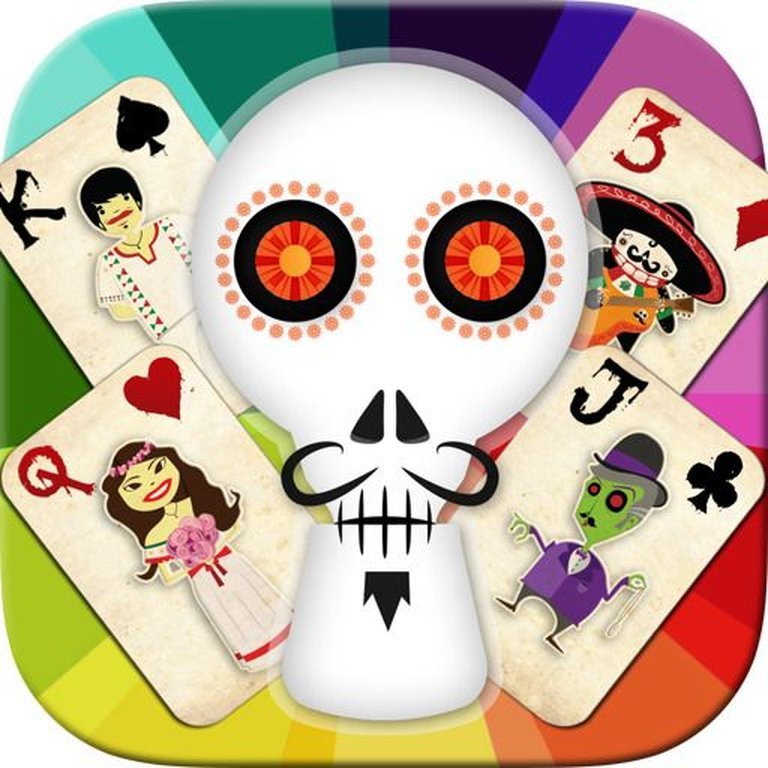
Forgotten Tales: Day of the Dead is a solitaire-based adventure game set in the vibrant and mystical Land of the Dead, inspired by Mexican Día de Muertos traditions. Players follow Manuel’s quest to reunite with his lost love, Maria, by solving card puzzles, collecting unique items, and encountering allies and foes. The game combines traditional solitaire mechanics with adventure elements, tasking players with earning gold, unlocking new items, and progressing through culturally rich environments to achieve Manuel’s emotional reunion.
Gameplay Videos
Where to Buy Forgotten Tales: Day of the Dead
PC
Forgotten Tales: Day of the Dead Cracks & Fixes
Forgotten Tales: Day of the Dead Guides & Walkthroughs
Forgotten Tales: Day of the Dead Reviews & Reception
gravisludus.com : Solitaire fans will want to check this one out.
Forgotten Tales: Day of the Dead: Review
In the vast landscape of casual gaming, few titles manage to blend cultural richness with engaging gameplay as seamlessly as Forgotten Tales: Day of the Dead. Developed by Green Sauce Games, this solitaire adventure stands out not just for its unique premise but also for its deep connection to Mexican traditions. As a professional game journalist and historian, I delve into the intricacies of this title, exploring its development history, narrative depth, gameplay mechanics, and lasting impact on the gaming community.
Development History & Context
The Studio
Green Sauce Games, a Brazilian indie studio, is the mastermind behind Forgotten Tales: Day of the Dead. Founded by Cezar Wagenheimer and Carlos Eduardo Boaro, the studio has a knack for creating games that are both culturally significant and entertaining. Their previous works, such as Secrets of Magic 3: Happy Halloween and Santa’s Holiday, showcase their ability to blend storytelling with engaging gameplay.
The Creators’ Vision
The vision for Forgotten Tales: Day of the Dead was to create a game that celebrates the rich cultural heritage of Mexico’s Day of the Dead while providing a challenging and enjoyable solitaire experience. The developers aimed to capture the essence of the holiday, where the gates of heaven open, allowing the souls of loved ones to visit the living. This unique blend of cultural storytelling and gameplay mechanics sets the game apart from other solitaire titles.
Technological Constraints & Gaming Landscape
Released in 2015, Forgotten Tales: Day of the Dead faced the technological constraints of the era. The game was developed using the Unity engine, which was relatively new at the time but had already proven its versatility. The gaming landscape in 2015 was dominated by mobile games and casual titles, making Forgotten Tales a perfect fit for the market. The game’s fixed/flip-screen visual style and card/tile gameplay mechanics were well-suited for touchscreen devices, ensuring a smooth and engaging experience across multiple platforms.
Narrative & Thematic Deep Dive
Plot
The story of Forgotten Tales: Day of the Dead revolves around Manuel and Maria, a couple whose love is tested by an evil soul. On the Day of the Dead, Maria is kidnapped, and Manuel embarks on a journey through the land of the dead to rescue her. The narrative is rich with Mexican folklore and traditions, providing a deep cultural context that enhances the gameplay experience.
Characters
Manuel is the protagonist, driven by his love for Maria and his determination to rescue her. Maria, though not physically present for most of the game, serves as the emotional core, motivating Manuel’s actions. Along the way, players encounter various characters, each with their own stories and needs. These characters add depth to the narrative, making the game more than just a series of solitaire levels.
Dialogue
The dialogue in Forgotten Tales is straightforward and effective, conveying the necessary information without being overly verbose. The interactions between Manuel and the other characters are heartfelt, adding an emotional layer to the gameplay. The use of Spanish phrases and cultural references further immerses players in the Mexican setting.
Themes
The primary themes of Forgotten Tales: Day of the Dead are love, loss, and the cycle of life and death. The game explores the idea of the afterlife and the importance of remembering and honoring the deceased. These themes are woven into the gameplay, making each level a step closer to understanding the deeper meaning behind the Day of the Dead celebrations.
Gameplay Mechanics & Systems
Core Gameplay Loops
The core gameplay loop of Forgotten Tales is based on solitaire, a classic card game. Players are presented with a deck of cards and must match them according to the rules of solitaire. The game introduces various challenges and obstacles, such as locked cards and cards on fire, which require strategic thinking and planning.
Combat
While there is no traditional combat in Forgotten Tales, the game features challenges that test the player’s skills. These challenges include solving puzzles, finding hidden items, and completing solitaire levels. The game’s difficulty increases gradually, ensuring that players are constantly engaged and challenged.
Character Progression
Character progression in Forgotten Tales is tied to the story and the completion of levels. As players progress, they unlock new items and abilities that help them in their journey. The game also features a collection system, where players can gather unique items and characters, adding a layer of depth to the gameplay.
UI
The user interface of Forgotten Tales is clean and intuitive, making it easy for players to navigate the game. The menus are well-organized, and the controls are responsive, ensuring a smooth gameplay experience. The game’s visual style, with its vibrant colors and detailed artwork, adds to the overall appeal.
Innovative or Flawed Systems
One of the innovative systems in Forgotten Tales is the use of bonus cards. These cards provide special abilities, such as additional cards or the destruction of cards in the pile, adding a strategic element to the gameplay. However, the game has been criticized for its grind-heavy nature, particularly in the later levels, where players may need to farm coins to purchase items.
World-Building, Art & Sound
Setting
The setting of Forgotten Tales is the land of the dead, a vibrant and colorful world inspired by Mexican folklore. The game’s environments are richly detailed, with each level featuring unique landscapes and characters. The use of traditional Mexican motifs and symbols adds to the authenticity of the setting.
Atmosphere
The atmosphere of Forgotten Tales is both eerie and enchanting. The game’s soundtrack, featuring relaxing music, complements the visuals, creating a sense of immersion. The use of sound effects, such as the rustling of cards and the whispers of spirits, adds to the overall ambiance.
Visual Direction
The visual direction of Forgotten Tales is stunning, with its vibrant colors and detailed artwork. The game’s fixed/flip-screen style is well-suited for the narrative, allowing for smooth transitions between levels. The use of traditional Mexican art styles and symbols adds to the cultural richness of the game.
Sound Design
The sound design of Forgotten Tales is top-notch, with a soundtrack that perfectly complements the visuals. The use of traditional Mexican instruments and melodies adds to the authenticity of the setting. The sound effects are well-integrated, enhancing the gameplay experience without being intrusive.
Reception & Legacy
Critical & Commercial Reception
Upon its release, Forgotten Tales: Day of the Dead received mixed reviews. Critics praised the game’s unique premise and cultural richness but criticized its grind-heavy nature and repetitive gameplay. The game’s commercial reception was modest, with a small but dedicated fanbase appreciating its depth and cultural significance.
Evolution of Reputation
Over the years, Forgotten Tales has gained a cult following, with players appreciating its unique blend of storytelling and gameplay. The game’s reputation has evolved from a niche title to a beloved classic, recognized for its cultural significance and engaging gameplay.
Influence on Subsequent Games & Industry
Forgotten Tales has influenced subsequent games in the solitaire genre, with developers taking note of its unique blend of storytelling and cultural richness. The game’s success has paved the way for other indie developers to explore similar themes and mechanics, enriching the gaming landscape.
Conclusion
Forgotten Tales: Day of the Dead is a testament to the power of cultural storytelling in gaming. Its unique premise, rich narrative, and engaging gameplay mechanics make it a standout title in the casual gaming genre. Despite its flaws, the game’s cultural significance and enduring appeal ensure its place in video game history. For those seeking a deep and meaningful gaming experience, Forgotten Tales is a must-play.