
- Release Year: 2023
- Platforms: Nintendo Switch, PlayStation 4, PlayStation 5, Windows
- Publisher: Polygon Art Ltd.
- Developer: Polygon Art Ltd.
- Genre: Driving, Racing, Simulation
- Perspective: 1st-person, 3rd-person
- Game Mode: Single-player
- Gameplay: Puzzle elements
- Setting: Contemporary
- Average Score: 62/100
Description
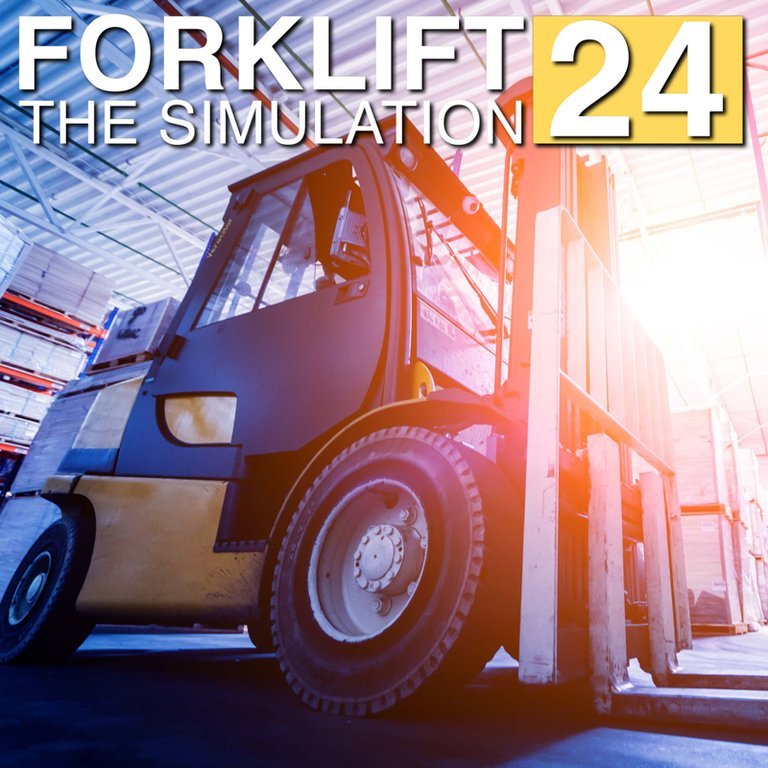
Forklift 2024: The Simulation places players in the driver’s seat of a forklift in a contemporary warehouse setting, where they must master precise controls to lift, transport, and stack cargo while completing orders, solving puzzles, and expanding operations in this realistic vehicular simulation featuring first- and third-person perspectives.
Gameplay Videos
Where to Buy Forklift 2024: The Simulation
PC
Forklift 2024: The Simulation Reviews & Reception
steambase.io (62/100): Mixed
Forklift 2024: The Simulation: Review
Introduction
In a gaming landscape dominated by epic fantasies and high-octane shooters, few titles dare to embrace the unvarnished poetry of the everyday grind—forklift operation. Forklift 2024: The Simulation, developed and published by the indie studio Polygon Art, elevates this blue-collar ballet to digital art form. Released across PlayStation 4, PlayStation 5, Nintendo Switch, and Windows starting May 25, 2023 (with a Steam debut on May 9, 2024), it arrives as the latest entry in a quirky subgenre of vehicular simulators that fetishizes industrial machinery. This isn’t just a game; it’s a meditative ode to logistics, where the thrill lies in precision maneuvers and procedural efficiency. My thesis: While Forklift 2024 may lack narrative depth or blockbuster polish, its authentic simulation mechanics, iterative updates, and niche charm cement it as an essential experience for simulation aficionados, proving that the forklift throne remains unoccupied in gaming’s pantheon of hyper-realism.
Development History & Context
Polygon Art, a small indie outfit (sometimes credited under Polygon Art Ltd. or Publishing), emerges from a fertile ecosystem of low-budget simulators that proliferated in the late 2010s and early 2020s. The studio’s vision, as gleaned from official blurbs and Steam updates, centers on hyper-realistic vehicle handling within constrained, purposeful environments—here, the warehouse. This title follows predecessors like Forklift Simulator 2019 (2018), Forklift: The Simulation (2019), and Forklift Simulator 2023, indicating Polygon Art’s specialization in forklift-centric titles amid a broader sim boom fueled by hits like Euro Truck Simulator 2 and SnowRunner.
Launched in 2023, Forklift 2024 navigated a post-pandemic gaming market craving escapism into “essential” jobs, with consoles like PS5 and Switch offering enhanced playback (e.g., PS4 Pro support). Technological constraints were minimal on modern hardware—requiring only DirectX 11, 2GB storage, and a 64-bit OS—but the indie scope shines through in its direct control interface, gamepad support, and free camera perspectives (1st/3rd-person). Multiplatform releases underscore Polygon Art’s ambition to reach casual players via digital downloads ($14.99 on PlayStation Store, $9.99 on Steam).
Development ethos emphasizes iteration: Patch v1.2.2 (May 2024) refined lighting and pallet labeling, while the free “Year 2025 Update” DLC (January 2025) introduced harbor locations, dynamic weather, and control overhauls. Community feedback, like Steam discussions lamenting unclear pallet info, directly influenced these tweaks—e.g., adding on-foot label checks. In an era of procedural generation and accessibility (ESRB Everyone rating, multilingual support for 8 languages), Polygon Art positioned Forklift 2024 as a “perfect for all gamers” entry, bridging casual puzzlers and hardcore sim fans without multiplayer bloat.
Narrative & Thematic Deep Dive
Forklift 2024 eschews traditional storytelling for a plotless progression loop, a deliberate choice emblematic of the simulation genre’s anti-narrative purity. There are no characters with backstories, no branching dialogue trees, and certainly no voice-acted cutscenes—just you, the anonymous operator, in a contemporary warehouse void. This absence amplifies its themes: the Sisyphean rhythm of labor, the quiet empowerment of mastery, and capitalism’s warehouse microcosm.
The “narrative” unfolds procedurally: randomly generated orders task you with transporting varied goods (pallets of unspecified cargo), earning cash to expand your domain. Progression mirrors real-world career ladders—from cramped starter bays to sprawling facilities—evoking themes of scalability and optimization. Challenge Mode injects purpose with five labyrinthine puzzles, where labyrinth navigation symbolizes bureaucratic mazes of supply chains.
Underlying motifs draw from industrial realism: efficiency as virtue, precision amid chaos (e.g., tight docks in the 2025 Harbor update). Player agency manifests in risk-reward decisions—rush a load and risk drops, or methodically label-check on foot (post-v1.2.2). No overt dialogue exists, but UI prompts and order manifests serve as terse “conversations” with the system, underscoring alienation in automated toil. Thematically, it’s a Zen koan on mundanity: in lifting and hauling, find flow state. For historians, it echoes Job Simulator‘s irony but grounds it in earnest vocational therapy, sans humor.
Gameplay Mechanics & Systems
At its core, Forklift 2024 distills forklift operation into an addictive loop: scan orders, locate pallets (initially by guesswork, later aided by labels), lift via realistic physics, transport without spilling, and deliver to trucks or endpoints. Direct control feels intuitive—gamepad-friendly tilting, raising/lowering forks, and free camera switches (1st/3rd-person)—with the 2025 update’s refined handling adding nuanced throttle and tilt for “maximum realism.”
Core Loops and Progression: Random orders scale complexity: early hauls are straightforward warehouse shuffles; later, multi-pallet stacks demand balance amid procedural layouts. Earnings fund warehouse expansions, unlocking space and goods variety, creating a satisfying tycoon-lite arc. Puzzle elements shine in Challenge Mode’s five labyrinths, blending vehicular navigation with timing pressures.
Physics and Controls: Praised in sim-welt.de’s 80% review for “precise driving physics,” the sim excels in weight simulation—overloaded forks wobble, slick floors (via weather DLC) challenge traction. Flaws persist: early builds lacked pallet scanners, forcing hunts (community gripes like “no packing list”); v1.2.2 mitigates with extended labeling and foot inspections. No combat or RPG progression, but 12 Steam achievements reward milestones (e.g., perfect deliveries).
UI/Systems: Clean but sparse—order HUD, mini-map absent initially (pushing exploration). No multiplayer, but single-player shines for 1-2 hour sessions. Innovations like procedural generation ensure replayability; flaws include repetitive loops sans deeper customization (e.g., wheel support queried but unconfirmed). Overall, it’s a taut systems-driven sim, flawed yet compulsively tweakable.
World-Building, Art & Sound
Set in a “contemporary” warehouse (industrial/agricultural transport focus), the world is a functional diorama: towering racks, loading docks, and scattered pallets evoke Amazon fulfillment centers. The 2025 Update expands to Harbor—a coastal maze of narrow piers—infusing verticality and environmental hazards. Procedural generation breathes life into sterility, with dynamic weather (rain, fog) altering visibility and grip, heightening immersion.
Visual Direction: Ad-blurbed “stunning graphics” hold via polished 3D models and free camera flair, with updates overhauling lighting/shadows, textures, and effects for vibrancy. PS5/Switch ports leverage hardware for smooth 3rd-person views, though indie budget shows in low-poly goods. Atmosphere builds tension through scale—cramped aisles dwarf the forklift, fostering claustrophobic focus.
Sound Design: Industrial symphony rules: forklift hums, hydraulic whirs, pallet clunks, and echoing warehouse reverb sell authenticity. Ambient machinery drones and weather patters (DLC) layer tension; no score overwhelms, letting operational ASMR dominate. Subtle cues—like label beeps—aid feedback. Collectively, these forge a hypnotic mundanity, where visuals/auditory fidelity elevates tedium to trance.
Reception & Legacy
Launch reception was muted: No MobyGames/Metacritic critic scores (tbd), Steam’s “Mixed” 61% from 13 reviews splits praise (“solid for sim fans”) from gripes (pallet confusion, repetition). Sim-welt.de’s 80% lauds challenges but notes multiplayer absence; Switch Scores flags publisher quality concerns. Sales data scarce, but $9.99-$14.99 pricing targets niche buyers, with free DLC sustaining buzz.
Reputation evolved positively via updates—2025 Harbor/weather drew Steam chatter—positioning it as a “grower” for patient players. Commercially, it thrives in sim ecosystem (related to Forklift Extreme, Best Forklift Operator), influencing micro-sim trends amid PowerWash Simulator‘s success. Legacy? As 2024’s forklift apex, it pioneers procedural logistics puzzles, paving for VR/AR evolutions. No industry shaker, but for historians, it’s a footnote in indie vehicular canon—preserving forklift sim’s absurd earnestness.
Conclusion
Forklift 2024: The Simulation masterfully simulates the forklift lifeblood of global trade, blending procedural orders, physics fidelity, and iterative polish into a niche gem. Polygon Art’s vision—realism sans fluff—delivers meditative highs, tempered by UI hiccups and repetition. Amid mixed reception, its updates and Challenge Mode elevate it beyond gimmick. Verdict: 8/10—essential for sim devotees, a quirky curiosity for others. In video game history, it claims the forklift crown, proving even pallets propel progress. Grab it, lift on, and expand your warehouse empire.