
- Release Year: 2003
- Platforms: Windows
- Publisher: Alawar Entertainment, Inc.
- Genre: Action
- Perspective: 3rd-person (Other)
- Game Mode: Co-op, Single-player
- Gameplay: Platform
- Average Score: 80/100
Description
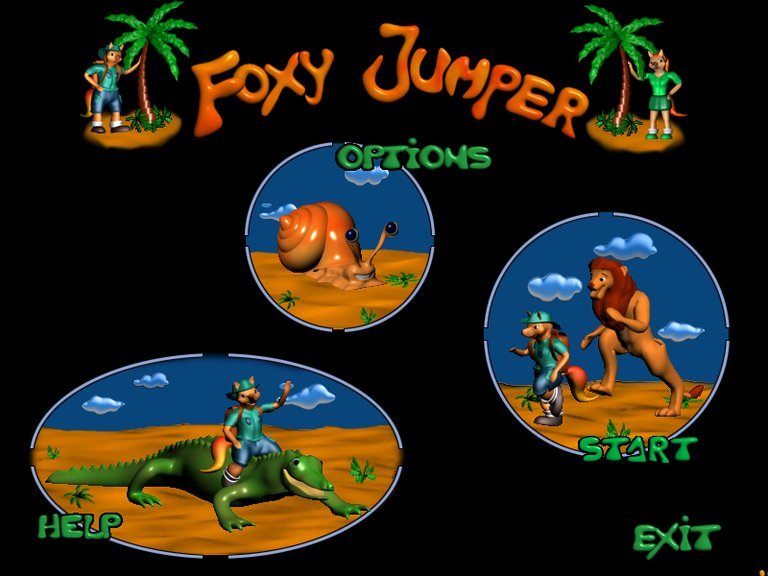
Foxy Jumper is a 2003 Windows platform action game where players guide a fox upward through horizontal lines filled with holes, aiming to reach the house at the top of each level while collecting score objects and navigating power-ups that grant extra lives or speed boosts alongside hazardous animals that knock the player down or restrict movement. Bonus levels challenge players to catch as many chicks as possible for high scores, with two-player modes offering cooperative play—sharing lives until one reaches the house—or competitive races where the winner steals a life and players can shoot each other.
Gameplay Videos
Foxy Jumper Reviews & Reception
en.freedownloadmanager.org (80/100): Innovative gameplay and stunning graphics.
Foxy Jumper: Review
Introduction
In the shadowed corners of early 2000s PC shareware, where digital delights were peddled for pocket change amid the rise of casual gaming, Foxy Jumper emerges as a sly, unassuming fox darting through obscurity—a deceptively simple platformer that captures the essence of addictive arcade purity. Released in 2003 by Alawar Entertainment, this title predates the mobile gaming explosion but anticipates its bite-sized thrills, challenging players to navigate precarious lines toward a distant home while dodging foes and snagging scores. As a historian of gaming’s underbelly, I’ve pored over MobyGames archives, Reddit reminiscences, and fragmented ad blurbs to resurrect this forgotten entry. My thesis: Foxy Jumper is not merely a relic of shareware’s golden age but a foundational artifact of cooperative casual design, blending perilous precision with multiplayer mischief to forge enduring, family-friendly fun in an era dominated by bombastic 3D blockbusters.
Development History & Context
Foxy Jumper arrived at a pivotal juncture in PC gaming’s evolution, smack in the midst of the shareware resurgence fueled by sites like Alawar’s own portal and early digital distributors. Publisher Alawar Entertainment, Inc., a Russian-American outfit founded in 2000, specialized in polished, low-spec arcade titles aimed at broad audiences—think puzzle-poppers and endless runners before those terms were coined. The game, credited minimally on MobyGames (added by contributor gal anchel in 2014), lacks detailed developer attribution beyond Alawar, though its sequel points to influences from small studios like Romania’s I-Nova Games Team. This obscurity underscores the era’s DIY ethos: modest teams crafting for Pentium-era rigs (Windows 2000/XP, DirectX 8.1, 600 MHz CPU, 256 MB RAM per later ports).
Technological constraints shaped its DNA—crisp 2D sprites over lavish polygons, keyboard-only controls (no mouse support noted), and single-screen levels optimized for quick sessions. The 2003 landscape brimmed with casual contenders: Bejeweled clones and Zuma precursors dominated download charts, while console giants like Half-Life 2 loomed. Alawar’s vision, gleaned from ad copy (“fun and innovative gameplay… nonviolent, easy to learn and fun for all ages”), was pure accessibility: a platformer stripped to essentials, with 1-2 player modes to hook siblings or parents. As the first in a series spawning Foxy Jumper 2 (2004) and Winter Adventures, it tested waters for iterative sequels, reflecting shareware’s trial-and-buy model ($6.99 full version). In Reddit threads like r/tipofmyjoystick, players recall physical copies from Media Markt, hinting at retail bundling that amplified its grassroots reach amid Flash portals and demo discs.
Narrative & Thematic Deep Dive
Foxy Jumper‘s storytelling is minimalist arcade poetry, eschewing cutscenes for emergent drama in its fox-led odyssey. You embody a plucky anthropomorphic fox—described in fan memories as a “fox girl” with expressive charm—trapped at level bottoms, eyes fixed on a house perched atop tangled lines of peril. No voiced dialogue or lore dumps; the plot unfolds via environmental cues: holes to leap through, score-granting objects twinkling like lost treasures, and a house that beckons as sanctuary. Progression across level packs (Pack 1 capped at 10 levels) builds quiet tension, culminating in bonus chick-chasing romps at milestones (4, 8, 12).
Thematically, it’s a fable of perseverance amid chaos. The fox’s quest symbolizes domestic yearning—a vulnerable critter braving “animals” that embody nature’s whimsy and wrath. Helpful elements (extra lives, super jumps, speed boosts) evoke fortune’s fleeting grace, while hindrances (knockdowns, freezes, drops) personify adversity’s teeth. Falling from the first line claims a life, a stark reminder of fragile beginnings; subsequent slips merely stun, forgiving experimentation. Multiplayer amplifies this: co-op shares 10 lives, fates intertwined like family bonds—one fox’s folly dooms both—while versus mode injects betrayal, players shooting rivals in a race to the house, winner pilfering lives. Subtle genius lies here: nonviolent core (no gore, just cartoon tumbles) masks competitive edge, exploring cooperation versus rivalry. Echoing classics like Bubble Bobble, it weaves themes of homecoming and survival into mechanical poetry, resonant for kids navigating their own “lines” of challenge.
Gameplay Mechanics & Systems
At its core, Foxy Jumper distills platforming to a razor-sharp loop: ascend lines via timely jumps through emergent holes, collect scores, evade/engage elements, reach the house. Single-player demands pixel-perfect timing—lines scroll or static? Sources imply single-screen vertical climbs, Reddit evoking “2D single-screen platformer” with gems/coins (likely score objects). Falls tier punishment: first-line plummet = life lost (starting stock unspecified, but finite); others = knockdown, resetting height but preserving progress.
Core Loop & Progression: Levels escalate via added elements—power-ups (multi-line jumps, speed bursts, extras) versus antagonists (stuns, drops, immobilities). Packs feature 10+ levels, bonuses at 4/8/12 (chick-catching for multipliers). No explicit progression tree, but mastery unlocks higher packs, replayability via high scores.
Combat & Interactions: Minimalist—dodge or counter hindering animals (species vague: foes knocking/dropping). Two-player elevates this:
- Co-op: Shared 10 lives; one house-reach advances both, fostering teamwork amid shared peril.
- Versus: Race to house; winner steals loser’s life, mutual shooting adds sabotage. Innovative for 2003 casuals, predating split-screen duels.
UI & Systems: Clean, inferred from era—lives counter, score, level indicator. No saves (shareware staple), height-based checkpoints via knockdowns. Flaws: keyboard reliance limits precision; no mouse (sequel gripe). Strengths: emergent chaos from random elements, bonus variety prevents rote climbs. Addictive 100-level promise (ad blurbs) ensures weeks of grind, innovative for its hybrid platformer/social experiment.
World-Building, Art & Sound
Foxy Jumper‘s world is a whimsical vertical diorama, lines weaving precarious paths amid implied biomes (Reddit’s desert theme suggests variety: sandy dunes, forests?). Single-screen confines breed claustrophobic tension, house aglow as North Star. Atmosphere thrives on cartoon caprice—fox’s agile bounds, twinkling collectibles, menacing-yet-cute animals—evoking Jazz Jackrabbit lite.
Visuals shine per blurbs (“beautiful graphics”): vibrant 2D sprites, fluid animations for jumps/tumbles, hand-tuned palettes for pop. Alawar’s polish—crisp pixels on low-end hardware—creates depth via layered lines, parallax hints. Sound design complements: upbeat loops propel climbs (MIDI chiptunes?), punchy SFX for pickups (“ding!”), falls (“whoosh-crash”), bonuses (cheerful chimes). Chick-chasing bonuses likely amp tempo with frantic melodies. Synergy forges immersion: audio cues guide chaos (hindrance warnings?), visuals reward mastery. Though spec-humble, it crafts cozy peril, endearing to all ages—desert winds howl, fox yelps in defeat—turning tech limits into thematic charm.
Reception & Legacy
Launch reception whispers through voids: MobyGames logs zero critic/player reviews, a tombstone for shareware obscura. Yet ad hyperbole (“Highly Addictive,” 4/5 on FreeDownloadManager) and collections by 3-4 players signal cult warmth. Commercially, Alawar’s model thrived—demo hooks to $6.99 buys, physical retail (Media Markt)—but no charts dominance amid The Sims era. Word-of-mouth endured: Reddit quests (2022) prove nostalgic pull, sequel swift arrival (2004’s Foxy Jumper 2, adding shooters/treasures) affirms success.
Reputation evolved from forgotten demo to preserved artifact (MobyGames 2014 entry). Influence ripples subtly: pioneered casual co-op/versus in platforms, echoing in Overcooked-lite chaos or mobile Fox & Roll. Series legacy (Winter Adventures, browser offshoots like Frosty Foxy) cements fox motif in indie arcs; groups it with “Animals: Foxes.” Broader impact: epitomizes 2000s casual boom, sustaining 2D amid 3D shift, inspiring shareware evolutions into app stores. For historians, it’s a touchstone of accessible multiplayer, underappreciated amid flashier peers.
Conclusion
Foxy Jumper endures as a nimble fox in gaming’s vast woodwork—a masterclass in restrained design where vertical ascents birth profound tension, cooperative quirks foster bonds, and whimsical perils hook eternally. From Alawar’s shareware savvy to its thematic homeward heart, it transcends obscurity through mechanical elegance and inclusive joy. Flaws like sparse UI and review silence pale against addictive loops and multiplayer spark. Verdict: An essential, overlooked cornerstone of casual platforming history—8.5/10, a must-emulate for preserving 2000s digital whimsy. Hunt it down; let the fox lead you home.