
Description
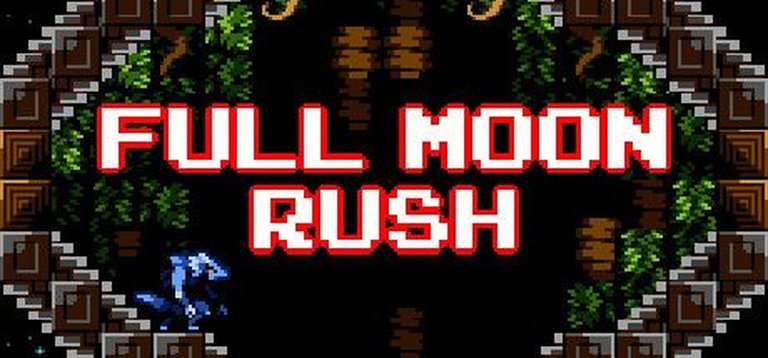
Full Moon Rush is a high-octane side-scrolling bullet hell shooter where players embody a powerful werewolf, battling through 10 intense boss rushes against monstrous foes and mechanical adversaries in a retro arcade-inspired world. With old-school 2D graphics and sound, customizable health settings, and an accessible Assist Mode, it delivers thrilling platform-shooter action that tests reflexes and strategy under the glow of the full moon.
Where to Buy Full Moon Rush
PC
Full Moon Rush Reviews & Reception
steambase.io (94/100): Player Score of 94 / 100 from 18 total reviews, rated Positive.
store.steampowered.com (100/100): 100% of the 14 user reviews for this game are positive.
Full Moon Rush: Review
Introduction
In an era dominated by sprawling open-world epics and live-service behemoths, Full Moon Rush emerges as a defiant throwback—a howling tribute to the pixelated fury of arcade shoot ’em ups. Released in July 2023 by indie developer Silkworm and publisher Meridian4, this side-scrolling bullet hell boss rush distills the essence of classics like Contra, Gradius, and Ikaruga into a compact, werewolf-fueled frenzy. As players transform into a sleek, powerful lupine warrior under a blood moon, they unleash claws and projectiles against 15 monstrous bosses in relentless, screen-filling skirmishes. What could have been just another retro pixelator stands out for its masterful balance of brutal challenge and thoughtful accessibility, proving that short, sharp shocks of adrenaline remain gaming’s purest highs. My thesis: Full Moon Rush is a modern arcade masterpiece that revitalizes the boss rush format, blending nostalgic precision with inclusive design to secure its place among indie shmups that punch above their weight.
Development History & Context
Silkworm, a modest indie studio leveraging the versatile GameMaker engine, crafted Full Moon Rush amid the post-pandemic indie boom of 2023, where retro revivals flourished on platforms like Steam and GOG. With no prior blockbuster pedigree—Silkworm’s output leans toward niche arcade-style titles—the game reflects a clear vision: resurrect the “one-credit-death” intensity of 1980s-90s arcade cabinets while adapting to contemporary solo-dev realities. GameMaker’s drag-and-drop efficiency allowed Silkworm to prioritize pattern design over procedural bloat, a constraint that echoes the hardware limits of era-defining machines like the Sega Mega Drive or PC Engine.
The 2023 gaming landscape was saturated with bullet hell indies (Night of Full Moon series, Touhou clones), but Full Moon Rush carved a niche in the boss rush subgenre, popularized by titles like Cuphead (2017) and The Messenger (2018). Technological hurdles were minimal—512 MB VRAM minimum specs ensure broad accessibility—but creative ones loomed: how to innovate without diluting arcade purity? Silkworm’s solution was a werewolf protagonist, merging horror tropes with sci-fi machinery foes, released during a Steam summer sale wave that boosted visibility for $4.99 impulse buys. Meridian4’s publishing muscle (handling distribution on Steam, Epic, GOG) amplified reach, though the game’s obscurity (only 6 MobyGames collectors) underscores indie marketing struggles. Vision-wise, it channels the “run ‘n’ gun” ethos of Gunstar Heroes (1993), but as a pure boss rush, it sidesteps level slog for immediate gratification—perfect for short-attention spans in mobile-first gaming.
Key Milestones
- Demo Release (June 2023): Garnered early buzz in Steam discussions, praised for tight controls.
- Full Launch (July 25, 2023): 17 Steam achievements unlocked replay value.
- Post-Launch: Bundles like Boss Rush Bundle with Probo Rush extend lifecycle.
Narrative & Thematic Deep Dive
Full Moon Rush forgoes verbose storytelling for primal instinct, a deliberate nod to arcade shmups where plot serves as interstitial flavor text. You play an unnamed werewolf, empowered by a perpetual full moon, rampaging through a gauntlet of 15 bosses: grotesque monsters (fanged beasts, spectral horrors) clash with mechanical abominations (gunship drones, laser-spewing constructs). No cutscenes or dialogue interrupt the action; instead, themes emerge through environmental cues and boss designs, evoking lycanthropic fury against industrialization—a metaphor for nature’s rebellion.
The “narrative” unfolds as a rush: each victory transitions seamlessly to the next arena, building a mythic arc of escalation from “medium” skirmishes to “brutal” endgame. Subtle motifs abound—the moon’s glow illuminates pixelated forests and ruined factories, symbolizing untamed wilderness reclaiming cyberpunk decay. Characters are archetypal: your werewolf embodies raw power (clawing swipes, homing moon blasts), while bosses personify hubris (a colossal mech-dog hybrid as corporate greed incarnate?). Dialogue is absent, but howling SFX and boss roars convey primal dialogue, reminiscent of Castlevania‘s silent symphonies.
Thematically, it probes transformation and endurance: the full moon as double-edged sword (powerful form, but endless battle), mirroring bullet hell’s masochistic joy. Compared to Night of Full Moon‘s RPG depth, this is minimalist poetry—less Doom‘s lore, more Super Meat Boy‘s existential grind. Flaws? Zero character arcs limit emotional investment, but in boss rush, this purity shines: story as rhythm, not script.
Gameplay Mechanics & Systems
At its core, Full Moon Rush is a side-scrolling bullet hell platform shooter with direct control, demanding pixel-perfect dodging amid dense projectile storms. The loop is elegantly simple: enter arena, survive boss phases, claim victory, repeat. No power-ups or scoring metas dilute focus—your werewolf’s arsenal (rapid-fire shots, melee claws, screen-clear bombs?) evolves implicitly via mastery.
Core Loops & Combat
- Movement: Fluid 2D platforming with air dash and double-jump, echoing Guacamelee but tuned for evasion. Hitbox is forgiving yet precise, rewarding muscle memory.
- Offense: Auto-firing projectiles scale with proximity; strategic positioning unlocks claw combos. Bosses cycle 3-5 patterns (waves, spirals, homing skulls), escalating to “brutal” chaos.
- Progression: No RPG trees; difficulty ramps naturally across 15 fights. Adjustable health (low/med/high) and Assist Mode (slow-mo, auto-dodge) gatekeep hardcore play.
UI is spartan: health bar, boss HP, pause for retries. Innovations shine in phase transitions—bosses “evolve” mid-fight, forcing adaptation. Flaws: Repetition risks fatigue without leaderboards; controller support excels, but keyboard feels stiff. Compared to Enter the Gungeon, it’s less roguelike, more Ikaruga-precise. Achievements (e.g., “No Damage Boss 15”) fuel masochism.
| Mechanic | Strength | Weakness |
|---|---|---|
| Bullet Patterns | Varied, readable | Predictable after runs |
| Accessibility | Assist Mode tiers | Lacks co-op |
| Length | 30-60 min runs | No endless mode |
World-Building, Art & Sound
No expansive overworld—arenas are self-contained dioramas, yet atmospheric mastery elevates them. Settings blend gothic horror (moonlit graveyards, foggy swamps) with sci-fi grit (rusty factories, neon-lit voids), creating a cohesive “lycanpocalypse” vibe. Pixel art is old-school crisp (16-bit inspired, à la Metal Slug), with parallax scrolling adding depth. Werewolf sprite animates fluidly—fur rippling in wind, eyes glowing ferociously—while bosses dazzle: a multi-headed hydra spews acid rain, a tank-spider lasers webs.
Sound design howls authenticity: chiptune OST pulses with arcade synths (think Mushihimesama), boss themes crescendoing tension. SFX—metallic clashes, guttural roars, bullet whizzes—punch crisply, no voice acting needed. Atmosphere peaks in sensory overload: screen floods with bullets under throbbing bass, immersion rivaling Radiant Silvergun. Contributions? Art/sound forge urgency, retro filter masking modern polish for “golden age” transport.
Reception & Legacy
Launch reception skewed positive but niche: Steam’s 100% approval (14-18 reviews) hails “fast-paced bullet hell perfection,” though volume (few hundred owners) signals sleeper status. No Metacritic score; MobyGames lacks critic reviews. Forums buzz with demo praise (“reminds me of Xenogunner”), but requests for remapping hint tweaks needed. Commercial: $4.99 price yields bundles; GOG Dreamlist votes (6) show cult appeal.
Legacy evolves slowly—2023’s obscurity limits influence, but as GameMaker shmup, it inspires micro-studios. Echoes in Boss Rush Bundle peers; potential for ports (Mac/Linux supported?). Influences future indies blending accessibility with danmaku (e.g., post-Cuphead wave). Not revolutionary like Undertale, but enduring like Geometry Wars: arcade elixir for purists.
Conclusion
Full Moon Rush masterfully condenses shoot ’em up DNA into 15 unforgettable bosses, where retro pixels meet modern mercy for a howling triumph. Silkworm’s vision—primal werewolf vs. bullet apocalypse—delivers unadulterated thrill, flaws (replay limits, minimal story) mere specks in its arcade purity. In video game history, it claims a vital niche: the accessible bullet hell boss rush, bridging R-Type veterans and newcomers. Verdict: Essential for shmup fans; 9/10. Howl at the moon—your reflexes await.