
- Release Year: 2018
- Platforms: Windows
- Publisher: ZeroByter Games
- Developer: ZeroByter Games
- Genre: Action
- Perspective: Side view
- Game Mode: Co-op, Online Co-op, Single-player
- Gameplay: Arcade, Platform, Puzzle elements, Space flight
- Average Score: 91/100
Description
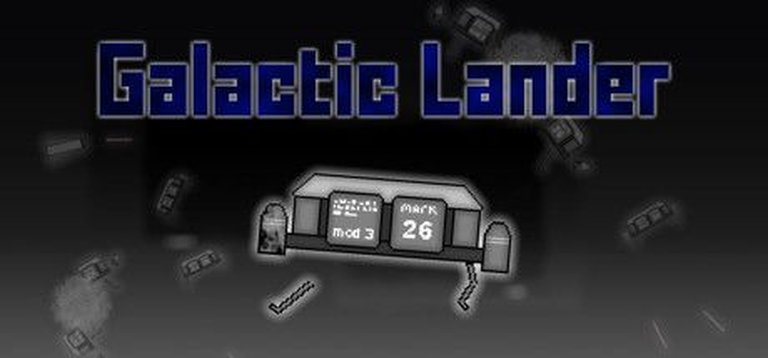
Galactic Lander is a modern revival of the classic arcade Lunar Lander, featuring side-view space flight gameplay where players pilot a delicate scientific spaceship through challenging levels packed with unique puzzles and quirks. Supporting single-player and co-op modes for 1-2 players, it includes a robust in-game level editor with Steam Workshop integration for creating and sharing custom levels, plus an intense no-gravity mode that adds ceiling-crash risks to the traditional landing mechanics.
Where to Buy Galactic Lander
PC
Galactic Lander Guides & Walkthroughs
Galactic Lander Reviews & Reception
steambase.io (91/100): Very Positive (91/100 from 116 reviews).
store.steampowered.com (91/100): Very Positive (91% of the 116 user reviews).
Galactic Lander: Review
Introduction
In the pantheon of video game history, few mechanics evoke the pure, tense joy of classic arcade titles like Lunar Lander—that 1979 Atari vector masterpiece where players wrestled gravity’s inexorable pull to guide a fragile module to touchdown. Enter Galactic Lander (2018), a freeware gem from indie developer ZeroByter Games that resurrects this iconic formula with modern flair: co-op chaos, a robust level editor, and Steam Workshop integration. Amid a sea of bloated blockbusters, this side-scrolling physics puzzler dares you to pilot a “delicate scientific spaceship” through obstacle-laden levels, balancing precision flight with puzzle-solving ingenuity. My thesis? Galactic Lander isn’t just a nostalgic nod; it’s a masterful evolution that democratizes arcade perfection, proving simplicity endures when paired with community-driven infinity.
Development History & Context
ZeroByter Games, a one-person indie outfit led by the eponymous creator ZeroByter, launched Galactic Lander on Steam on October 4, 2018, as their second title and first free-to-play offering. Built in Unity—a staple for cash-strapped indies in the late 2010s—the game emerged during a golden age of accessible PC publishing. Steam’s direct-to-consumer model had exploded post-2012, enabling micro-studios to bypass publishers, while freeware thrived amid rising “play free, pay what you want” ethos (think Dofus or early Warframe experiments). ZeroByter’s vision was clear from Unity forum posts and Steam updates: homage the lander lineage—from 1977’s Commodore PET Lander to 1999’s Windows iteration—while injecting 2018 innovations like Workshop support.
Technological constraints were minimal; Unity’s 2D tools handled physics flawlessly on mid-range hardware (minimum: Intel Core2 Quad Q6600, GTX 560 Ti). The 2018 landscape buzzed with puzzle-platformers (Celeste, Inside) and co-op indies (Overcooked), but Galactic Lander carved a niche by wedding retro arcade roots to social features. Development was lean—ZeroByter touted consistent player counts (3-6 daily post-launch) as a “milestone,” sharing excitement on Unity forums and seeking YouTuber shoutouts. No massive budget or team; just passion for “modern-day additions” to a 40-year-old formula, released amid indie floods (59,199th on IndieDB rankings). This context underscores its triumph: a solo dev’s free Steam hit in an era of $60 AAA behemoths.
Narrative & Thematic Deep Dive
Galactic Lander eschews verbose storytelling for minimalist sci-fi vignette, a deliberate echo of arcade austerity where mechanics are the narrative. You command a “delicate scientific spaceship,” ferrying payloads from Point A to B across interstellar outposts riddled with sensors, crates, doors, missiles, and spikes. No named protagonist or cutscenes; levels unfold as procedural missions, implying a shadowy research agency dispatching you to hazardous moons and stations. Dialogue? Absent. Instead, environmental storytelling shines: crates labeled “Lois Crate” (a punny nod?), gates unlocking via sensor triggers, and escalating hazards evoke bureaucratic peril—deliver the goods, or crash spectacularly.
Thematically, it probes human (or alien) fragility against cosmic indifference. Gravity tugs relentlessly, legs crumple on hard impacts, engines detach mid-flight—mirroring Lunar Lander‘s survival ethos but amplified by puzzles. Levels escalate from simple descents to Rube Goldberg gauntlets (e.g., flinging crates into sensors while dodging missiles), symbolizing scientific hubris: your “scientific” craft is comically brittle, demanding pixel-perfect finesse. No-gravity mode flips this, banishing floors for ceiling threats, thematizing zero-G anarchy. Co-op introduces collaboration’s joy and friction—friends coordinating thrusts or one sacrificing parts for the other—exploring teamwork in void’s isolation. Subtle motifs persist: mirrored levels (9/17) suggest symmetry in chaos; community Workshop levels add player-driven lore, like “Maze2” or “Resident not Evil.” Ultimately, the “plot” is player emergent: triumph feels like defying entropy, failure a blackly comic splat.
Gameplay Mechanics & Systems
At its core, Galactic Lander refines the lander loop: direct-control thrust (WASD/arrows), rotate (A/D), release objects (Space), amid realistic 2D physics. Success demands mastering momentum—over-thrust, and you barrel into spikes; under-thrust, and gravity claims you. Levels (20+ official, infinite via Workshop) blend arcade flight, platforming, and puzzles: navigate spikes/corridors, grab crates, trigger sensors to open doors, evade missiles. Innovative twists abound:
Core Loops & Progression
- Singleplayer/Co-op Hybrid: Solo, you multitask (thrust + object manipulation). Co-op (split-screen local/Remote Play Together, online 2P) shines—Player 1 grabs crates, Player 2 clears paths. Offline 1-2P, online 2P; Steam stats track global feats (21 achievements, e.g., “Do Two Flips!”).
- Object Physics: Crates fling via Space, activating distant sensors. Legs/engine detachment adds risk-reward—lithobrake (crash strategically) for speed, per community leaderboards (e.g., Level 1: 3.124s via upside-down flip).
- Hazards & Quirks: Missiles pierce doors (bug/fix debated), spikes demand trajectory flips. No-gravity inverts norms—ceilings kill.
UI & Systems
Clean side-view HUD: fuel bar, score/time, “Press Space to Release” (player gripe: obtrusive). Level select shows records (co-op glitch noted). Level Editor: Unity-powered gem—place platforms, sensors, doors, upload to Workshop. Enables “unlimited fun”: mazes, co-op splits (“COOP-Splitpoint”). Flaws? Early bugs (Level 8 door, custom previews crashing); suggestions like dual-R restart persist.
Progression is skill-gated: early levels teach flips/ledges; later demand “blind crate drops” or “tabletop slides.” Score vs. time modes reward aggression (engine ledge lands). Replayability soars via editor—community maps like “Maze” extend life. Controls feel responsive yet punishing, evoking Lunar Lander‘s bite with modern polish.
World-Building, Art & Sound
The “galaxy” is abstract 2D side-scrollers: metallic platforms, starry voids, hazard clusters evoking derelict labs/orbital wrecks. Visuals are Unity-minimalist—crisp vectors, glowing thrusters, particle explosions on crashes. Art direction prioritizes readability: color-coded sensors/doors, ship deformations (bent legs) telegraph damage. Atmosphere builds tension via scale—vast screens vs. tiny lander—amplifying vulnerability. No-gravity flips palettes subtly, ceilings menacing.
Sound design (uncredited, likely Unity assets) mirrors arcade sparsity: whooshing thrusts, metallic clangs on impacts, triumphant chimes on lands. Explosions pop satisfyingly; co-op amps chaos with overlapping SFX. No score, preserving focus—silence heightens near-misses. Together, they forge immersion: visuals clarify puzzles, audio visceralizes physics, crafting a lean, atmospheric void where every twitch matters.
Reception & Legacy
Launch reception was quiet critically—no MobyGames/Metacritic scores, zero formal reviews—but Steam exploded: Very Positive (91% of 116 reviews), lauded for “addictive” co-op, editor. Players averaged 1-2 hours, peaking early; curators (6) praised free value. Community thrived: Workshop booms (mazes, co-op variants), forums buzz with leaderboards (RA2lover’s times), bugs (Level 24), ideas (stats page). ZeroByter engaged actively, teasing branches.
Commercially, free model nailed it—80MB download, consistent players (3-6/day post-month 1). Legacy? Revives lander genre amid Kerbal Space Program complexity, influencing Workshop-heavy indies (BFF or Die, SpaceChem kin). As MobyGames’ “n/a” entry (added 2019), it preserves arcade DNA while pioneering co-op/editor fusion. Wikidata/SteamDB cement its niche; no Switch port (NSWTL tease), but PC eternity via freeware. Evolved rep: from forgotten freebie to cult endurance test.
Conclusion
Galactic Lander distills gaming’s essence—precise control conquering chaos—into a free, infinite package. ZeroByter’s solo triumph over 2018’s indie glut, blending Lunar Lander‘s soul with co-op/editor genius, yields addictive loops, emergent stories, and communal joy. Flaws (minor bugs, sparse polish) pale against virtues: 91% Steam love, vibrant Workshop. In history’s canon, it claims a vital spot: not revolution, but perfection’s revival, proving classics thrive via user creativity. Verdict: Essential freeware landmark—9/10. Download now; your next crash awaits mastery.