
- Release Year: 2021
- Platforms: Windows
- Publisher: Amaro Studios
- Developer: Luis Fellipe Amaro
- Genre: Action, Adventure
- Perspective: 1st-person
- Game Mode: Single-player
- Gameplay: Survival horror
- Setting: Horror
- Average Score: 84/100
Description
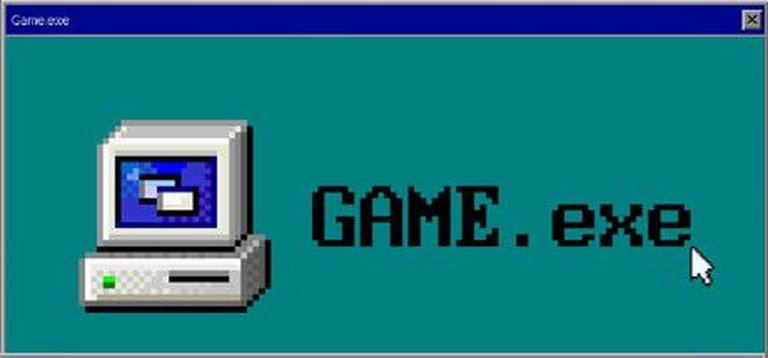
GAME.exe is a first-person survival horror game set in 1999, where you play as a young man who buys a used computer from a deceased game developer named Oliver. The machine contains Oliver’s unfinished and haunted game project, along with his personal files and notes. As you explore the retro-styled operating system, you must uncover the dark secrets behind Oliver’s work while navigating a chilling, pixelated horror experience filled with easter eggs and immersive 90s aesthetics.
Where to Buy GAME.exe
PC
GAME.exe Patches & Updates
GAME.exe Guides & Walkthroughs
GAME.exe Reviews & Reception
steambase.io (84/100): A triumphant return to form for the series.
store.steampowered.com (84/100): Very Positive (84% of 405 user reviews for this game are positive).
GAME.exe Cheats & Codes
PC
Enter codes or commands in the Commandbox application.
| Code | Effect |
|---|---|
| fix game.exe | Fixes the game.exe file |
| reset | Resets the game |
GAME.exe: A Haunting Masterpiece of Digital Horror
Introduction
In the vast and often oversaturated landscape of indie horror games, GAME.exe emerges as a chilling, atmospheric experience that transcends the boundaries of traditional survival horror. Released in 2021 by Punx Studios, this game is not just a testament to the enduring appeal of the “.exe” creepypasta subgenre but also a meticulously crafted exploration of digital dread, psychological horror, and the eerie nostalgia of 1990s computing. With its unique blend of retro aesthetics, immersive storytelling, and innovative gameplay mechanics, GAME.exe stands as a modern classic in the horror genre, offering players an unforgettable journey into the dark corners of a haunted operating system.
Development History & Context
The Studio and Vision
GAME.exe was developed by Punx Studios, a small indie team led by Luis Fellipe Amaro, who served as the game’s director, programmer, and writer. The studio’s vision was to create a horror experience deeply rooted in the nostalgia of 1990s computing, drawing inspiration from the infamous Sonic.exe creepypasta and the broader “.exe” subgenre. The game’s development was driven by a desire to blend retro aesthetics with modern horror sensibilities, creating an immersive and unsettling atmosphere that would resonate with players familiar with the era’s technology and gaming culture.
Technological Constraints and Innovations
Developed using the Unity engine, GAME.exe leveraged the platform’s flexibility to create a detailed and interactive 1990s-style operating system. The game’s art direction, led by Amaro, meticulously recreated the look and feel of an old OS interface, complete with pixelated textures, limited color palettes, and a horrifying atmosphere. The team faced the challenge of balancing authenticity with playability, ensuring that the retro aesthetic did not compromise the game’s horror elements or gameplay mechanics.
The Gaming Landscape at Release
GAME.exe was released on July 2, 2021, into a gaming landscape that was increasingly embracing indie horror titles. The game’s release coincided with a resurgence of interest in the “.exe” creepypasta subgenre, fueled by the popularity of fan-made games and mods inspired by Sonic.exe. This cultural moment provided a fertile ground for GAME.exe to thrive, as it offered a fresh and innovative take on the familiar tropes of digital horror.
Narrative & Thematic Deep Dive
Plot Summary
GAME.exe is set in 1999 and follows the story of a young man who purchases a used computer from a thrift store. The computer once belonged to Oliver, a game developer who committed suicide months prior. Upon booting up the machine, the protagonist discovers a series of eerie files, including a build of Oliver’s unfinished and seemingly cursed game. As the player explores the operating system, they uncover Oliver’s notes, personal files, and the sinister game itself, which appears to be haunted by Oliver’s lingering presence.
The narrative unfolds through a combination of environmental storytelling, found documents, and the protagonist’s interactions with the game within the game. The story is deeply atmospheric, relying on subtle hints and unsettling discoveries to build tension and dread. The protagonist’s journey is one of uncovering the truth behind Oliver’s suicide and the dark secrets hidden within his digital creations.
Characters and Dialogue
The game’s characters are primarily revealed through the files and notes left behind by Oliver. The protagonist serves as a silent avatar for the player, allowing them to immerse themselves fully in the experience. Oliver, though deceased, is a central figure whose presence is felt throughout the game. His notes and personal files provide insight into his state of mind and the events leading up to his suicide, adding layers of depth to the narrative.
The dialogue in GAME.exe is sparse but impactful, often appearing in the form of cryptic messages and eerie communications within the game’s files. These snippets of text contribute to the game’s oppressive atmosphere, leaving players with a sense of unease and foreboding.
Themes
GAME.exe explores several profound themes, including the nature of digital existence, the blurred line between reality and virtuality, and the psychological toll of obsession and creativity. The game delves into the idea of a haunted digital space, where the remnants of a troubled individual’s work continue to exert a malevolent influence. This theme is particularly relevant in an era where digital footprints and online legacies are increasingly significant.
The game also examines the concept of nostalgia and its darker aspects. The 1990s setting and retro aesthetics evoke a sense of familiarity and comfort, which is subverted by the game’s horror elements. This juxtaposition creates a powerful and unsettling experience, highlighting the contrast between the innocence of childhood memories and the sinister realities that can lurk beneath the surface.
Gameplay Mechanics & Systems
Core Gameplay Loop
GAME.exe is a first-person survival horror game that emphasizes exploration, puzzle-solving, and atmospheric tension. The core gameplay loop involves navigating the operating system, uncovering hidden files, and interacting with the game within the game. Players must use the resources of the OS to their advantage, such as deleting corrupted files and uncovering secrets hidden within Oliver’s personal documents.
The game’s structure is non-linear, allowing players the freedom to explore at their own pace. This open-ended approach enhances the sense of immersion and discovery, as players piece together the narrative through their interactions with the environment.
Combat and Character Progression
Unlike traditional survival horror games, GAME.exe does not feature direct combat mechanics. Instead, the game relies on psychological horror and environmental storytelling to create tension. Players must use their wits and the tools available within the operating system to overcome obstacles and progress through the game.
Character progression is tied to the player’s exploration and discovery of new files and secrets. As players uncover more of Oliver’s story, they gain a deeper understanding of the game’s lore and the events leading up to his suicide. This progression is narrative-driven, with the player’s knowledge and understanding serving as the primary form of advancement.
UI and Innovative Systems
The game’s user interface is designed to mimic a 1990s operating system, complete with a desktop, file explorer, and various applications. This retro UI is not just a cosmetic choice but an integral part of the gameplay, as players must navigate and interact with the system to progress. The UI is intuitive and immersive, enhancing the game’s atmosphere and sense of authenticity.
One of the game’s most innovative systems is the “game within the game” mechanic. Players can boot up Oliver’s unfinished game, which serves as a meta-narrative device and a source of additional horror elements. This nested gameplay experience adds layers of complexity and intrigue, blurring the line between the protagonist’s reality and the digital world they are exploring.
World-Building, Art & Sound
Setting and Atmosphere
GAME.exe is set within the confines of a 1990s operating system, a digital space that is both familiar and alien. The game’s world-building is meticulous, with every detail of the OS designed to evoke a sense of nostalgia and unease. The environment is filled with easter eggs and hidden secrets, encouraging players to explore and uncover the game’s mysteries.
The atmosphere is oppressive and unsettling, with a pervasive sense of dread that builds as players delve deeper into Oliver’s files. The game’s setting is a character in its own right, with the digital landscape reflecting the protagonist’s psychological state and the lingering presence of Oliver’s troubled spirit.
Visual Direction
The visual direction of GAME.exe is a standout feature, blending retro aesthetics with modern horror sensibilities. The game’s art style is reminiscent of early 3D graphics, with pixelated textures, limited color palettes, and a grainy, distorted visual quality. This aesthetic choice enhances the game’s atmosphere, creating a sense of unease and disorientation.
The game’s visuals are not just a nod to the past but a deliberate attempt to subvert expectations. The familiar and comforting imagery of 1990s computing is twisted and corrupted, reflecting the game’s themes of digital haunting and psychological horror.
Sound Design
The sound design in GAME.exe is a masterclass in atmospheric horror. The game’s soundtrack, composed by Ross Bugden, Dead Currents, and Erland Flatin, is a haunting blend of ambient noise, eerie melodies, and unsettling sound effects. The music enhances the game’s atmosphere, creating a sense of tension and dread that permeates every moment of gameplay.
The game’s sound effects are equally impressive, with every interaction and discovery accompanied by a carefully crafted audio cue. From the hum of the computer to the distant whispers hidden within the files, the sound design in GAME.exe is an integral part of the horror experience.
Reception & Legacy
Critical and Commercial Reception
GAME.exe was released to critical acclaim, with players and critics alike praising its innovative gameplay, atmospheric horror, and meticulous attention to detail. The game’s unique blend of retro aesthetics and modern horror sensibilities resonated with audiences, earning it a “Very Positive” rating on Steam based on over 400 user reviews.
The game’s reception was particularly notable for its ability to evoke a sense of nostalgia while delivering a genuinely unsettling horror experience. Players praised the game’s immersive storytelling, innovative mechanics, and haunting atmosphere, with many highlighting its status as a standout title in the indie horror genre.
Influence and Evolution
GAME.exe has had a significant impact on the indie horror scene, inspiring a wave of similar games that explore the themes of digital haunting and psychological horror. The game’s success has demonstrated the enduring appeal of the “.exe” creepypasta subgenre and the potential for innovative storytelling within the horror genre.
The game’s influence extends beyond its immediate reception, with its themes and mechanics continuing to resonate with players and developers alike. GAME.exe stands as a testament to the power of indie horror and the potential for small teams to create deeply immersive and impactful experiences.
Conclusion
GAME.exe is a masterful exploration of digital horror, blending retro aesthetics with modern storytelling to create an unforgettable and unsettling experience. The game’s innovative mechanics, atmospheric sound design, and meticulous world-building combine to deliver a horror experience that is both nostalgic and deeply disturbing.
With its unique take on the “.exe” creepypasta subgenre and its ability to evoke a sense of dread and unease, GAME.exe stands as a modern classic in the indie horror genre. The game’s legacy is one of innovation and influence, demonstrating the potential for small teams to create deeply immersive and impactful experiences that resonate with players on a profound level.
In the annals of video game history, GAME.exe will be remembered as a pioneering title that pushed the boundaries of digital horror and redefined the possibilities of the “.exe” subgenre. Its place in the pantheon of indie horror is secure, and its influence will continue to be felt for years to come.